
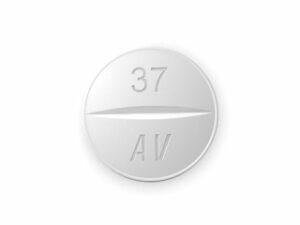
DDAVP (Desmopressin) – Patient Information (Australia)
DDAVP is a brand of desmopressin, a medicine that helps the body make and conserve water in specific medical conditions. It is commonly used for certain types of diabetes insipidus and for problems with night-time bedwetting, among other indications. This guide explains how DDAVP works, typical uses, how it is taken, practical tips, and important safety information for people in Australia.
Basic product information
- Active ingredient: Desmopressin
- Brand name: DDAVP
- Medicine type: Synthetic analogue of the natural hormone vasopressin
- How it may be supplied: Different DDAVP formulations exist (for example, tablets and nasal products). Availability can vary by brand/formulation and prescriber instructions.
- Common clinical focus: Managing urine production and water balance
Note: Always follow the instructions that match your exact formulation (tablet vs nasal) and your individual treatment plan. Dose and timing can differ between formulations.
How DDAVP works (mechanism of action)
Desmopressin is a laboratory-made version of vasopressin (also known as antidiuretic hormone). The key action is on the kidneys: it increases water reabsorption so less water leaves the body in urine.
- Antidiuretic effect: DDAVP acts mainly on kidney tubules (increasing water reabsorption), reducing urine volume.
- Helps concentrate urine: With less water lost in urine, urine becomes more concentrated, improving control of symptoms.
- May support bleeding control in selected conditions: In some uses, desmopressin can increase certain clotting-related factors. This varies by indication and formulation and is typically used under medical guidance.
Pharmacokinetics (how the medicine behaves in the body)
Pharmacokinetics describes what the body does to a medicine—absorption, distribution, metabolism, and elimination. Desmopressin’s onset and duration vary somewhat by formulation (for example, oral vs nasal).
- Absorption: Depends on the route. Oral and nasal preparations have different absorption profiles.
- Onset of action: Generally within a short period after dosing, but exact timing depends on the formulation and individual response.
- Duration: DDAVP is designed to have an antidiuretic effect that lasts several hours, which is why it is often taken in the evening for night-time symptoms.
- Elimination: Primarily through the kidneys. People with kidney impairment may be more sensitive to effects and require closer monitoring.
- Water balance impact: Because DDAVP reduces urine production, it can increase the risk of low blood sodium if fluid intake is too high.
Your healthcare professional will take into account your medical history, kidney function, and the specific DDAVP formulation you are using.
Typical use and timing
DDAVP is used to treat conditions where the body makes too much dilute urine or where hormone-related control is needed. Timing is important because the medicine’s water-retaining effect is strongest while it is active.
Common timing patterns
- Diabetes insipidus: Typically scheduled to match day and night urine patterns.
- Nocturnal enuresis (bedwetting): Often taken in the evening close to bedtime, with specific fluid restriction guidance.
- Other indications: Timing depends on the condition and the protocol used.
Key point: If you drink too much fluid around the time you take DDAVP, the risk of hyponatraemia (low sodium in the blood) can increase. Follow the fluid advice provided with your treatment plan.
Food interactions (and practical eating/drinking guidance)
Food and drink can affect how quickly and how completely DDAVP works, especially with oral formulations. While not every formulation behaves the same way, common principles apply:
- Follow administration instructions: If your product instructions specify taking with or without food, follow those directions.
- Hydration matters more than meals: Fluid intake (especially close to dosing) is the main interaction concern because it affects sodium balance.
- Avoid excessive evening fluids: For night-time use, stick to the fluid restriction advice given for your condition.
If you are unsure whether to take your tablet with food or on an empty stomach, check your product label or ask your pharmacist.
Alcohol interactions
Alcohol can indirectly increase the risk of complications with DDAVP because it may:
- Alter thirst and drinking behaviour (leading to higher fluid intake than intended).
- Dehydrate you or affect kidney function, which can complicate water balance.
- Increase the risk of dizziness or faintness due to changes in hydration and blood pressure.
For many people, the safest approach is to avoid heavy alcohol intake while using DDAVP and to keep any drinking consistent with your fluid restriction plan. If you are taking DDAVP for night-time symptoms, avoid alcohol close to bedtime unless your healthcare professional has specifically advised it.
Interactions with other medicines
The most important medication interaction involves medicines that affect sodium levels or water balance. Because DDAVP increases water retention, combining it with other factors that lower sodium can increase the risk of hyponatraemia.
Medicines that may increase hyponatraemia risk
- Diuretics (especially certain types)
- Antidepressants such as selective serotonin reuptake inhibitors (SSRIs) and others known to affect sodium balance
- Antiepileptic medicines that can affect water/sodium balance
- Carbamazepine
- Other drugs that cause fluid retention or influence ADH pathways
Medicines and conditions needing extra caution
- NSAIDs (e.g., ibuprofen, naproxen): in some situations may increase the risk of water retention and low sodium.
- Kidney disease or reduced kidney function: higher sensitivity and higher risk.
- Conditions affecting fluid balance: vomiting/diarrhoea, uncontrolled endocrine disorders, or dehydration/overhydration.
Tell your pharmacist or healthcare professional about all medicines you take, including over-the-counter products, herbal supplements, and any recent changes.
Indications (what DDAVP is used for)
DDAVP is used for a range of conditions. The exact indications supported in Australia can depend on the specific formulation and product information. Common clinical uses include:
- Diabetes insipidus (central type): reducing excessive urine output and thirst.
- Nocturnal enuresis (bedwetting) in selected patients (commonly where appropriate criteria are met and other causes have been assessed).
- Bleeding-related conditions in selected circumstances: desmopressin may help improve clotting factor activity in some cases, used as part of treatment planning.
Your prescribed DDAVP regimen is tailored to your diagnosis and personal risk profile—especially regarding sodium balance.
Dosing guidance (general information)
Dose depends on the condition, age, kidney function, and the specific DDAVP formulation (tablet vs nasal vs other). Because products are not interchangeable, dosing instructions must match your exact product.
The information below provides general principles that help you understand typical dosing patterns. Always use the dose and schedule provided by your healthcare professional and the instructions on your medicine label.
General dosing principles
- Start low, adjust carefully: Dosing is often titrated to achieve symptom control with the lowest effective dose.
- Evening dosing: For night-time symptoms, dosing timing is often close to bedtime to reduce urine production overnight.
- Kidney impairment: Dose may require adjustment and closer monitoring.
- Children: Dosing is weight- or age-based and requires strict adherence to fluid guidance.
Missed dose
If you miss a dose, do not double up unless your pharmacist or prescriber has advised it. The safest approach is to follow your labelled instructions or ask a pharmacist for advice based on your timing.
Safety profile and important risks
Low sodium (hyponatraemia): the most important risk
DDAVP can cause hyponatraemia (low sodium in the blood) because it increases the body’s water retention. This risk is higher when:
- Too much fluid is consumed around the time of dosing
- The medicine is taken more often or at a higher dose than prescribed
- There is vomiting, diarrhoea, fever, or other illness that affects fluid and electrolyte balance
- There is kidney impairment
- Medicines that also affect sodium are used at the same time
Seek urgent medical advice if you develop symptoms that may suggest hyponatraemia, such as:
- Severe headache
- Nausea and vomiting
- Confusion, unusual drowsiness, or difficulty staying alert
- Unsteadiness, dizziness, or falls
- Muscle weakness or cramps
- In severe cases: seizures or loss of consciousness
Other possible side effects
Side effects vary by individual and formulation. Commonly reported effects may include:
- Headache
- Nasal irritation or discomfort (for nasal formulations)
- Abdominal discomfort or nausea
- Fluid retention and related changes in weight (when fluid balance shifts)
If you experience any concerning symptoms, stop and seek advice from your pharmacist or healthcare professional.
Who needs extra caution
- People with kidney problems
- Older adults who may be more sensitive to sodium changes
- People with conditions affecting fluid balance (e.g., heart failure, uncontrolled endocrine disorders)
- Children and adolescents: strict adherence to dosing and fluid limits is essential
Practical use tips (how to take DDAVP safely and effectively)
- Follow fluid instructions exactly: Especially for night-time dosing. Your healthcare professional may specify a daily fluid limit or a limit in the hours around your dose.
- Be consistent: Take DDAVP at the same time(s) each day as prescribed. Consistency helps predict the medication’s effect.
- Plan for illness days: During vomiting/diarrhoea/fever, fluid and sodium balance can change quickly. Ask your pharmacist or prescriber for “sick day” guidance for your specific condition.
- Check your weight if advised: Some people are asked to monitor for sudden weight changes that may indicate fluid retention.
- Watch for symptoms early: If you start to feel unwell after a dose, particularly with headache, nausea, or confusion, contact a healthcare professional promptly.
- Do not share medicine: DDAVP dosing is tailored to the person and indication.
- Keep it out of reach of children: Accidental misuse can be dangerous due to the risk of water imbalance.
Alternative options
Alternatives depend on the condition being treated. Your clinician may choose another treatment if DDAVP is not suitable or if side effects occur. Possible alternatives include:
For diabetes insipidus
- Other desmopressin formulations (different routes or strengths)
- Other hormone management strategies depending on the cause (for example, addressing underlying causes)
For nocturnal enuresis
- Behavioural strategies (bedwetting alarm, bladder training, timed toileting)
- Other medication options where appropriate, selected based on age and medical assessment
For bleeding-related uses
- Other clotting support approaches may be used depending on the specific disorder and procedure
Discuss options with a healthcare professional, especially if you experience repeated hyponatraemia risk concerns or poor symptom control.
Australia: market and legal context (general information)
Medicines in Australia are regulated by the Therapeutic Goods Administration (TGA). DDAVP is a regulated medicine, and availability may vary by formulation and indication. Pharmacy supply typically follows applicable Australian requirements, including product identification, storage conditions, and consumer safety checks.
For online pharmacy orders, you can generally expect:
- Pharmacist review of suitability and safety (including allergies and interaction checks)
- Guidance on correct use and dosing instructions
- Secure packaging and handling suitable for the product type
Always check that the product you receive matches the formulation your clinician recommended (e.g., oral tablet vs nasal product) and the strength specified on the label.
Recent guidance (what to know now)
Clinical guidance for desmopressin in water-balance conditions consistently emphasises:
- Preventing hyponatraemia by managing fluid intake
- Using the lowest effective dose and avoiding unnecessary dose escalation
- Extra caution during illness that changes hydration status (vomiting/diarrhoea/fever)
- Careful patient selection for night-time enuresis, including assessing drinking patterns and underlying causes
- Monitoring when clinically indicated (for example, in people at higher risk)
Because recommendations may evolve with new evidence and safety updates, your pharmacist or clinician can provide the most current advice for your specific situation.
Delivery and availability (online pharmacy)
DDAVP availability can vary by:
- Formulation (tablet vs nasal vs other)
- Strength and pack size
- Supply chain and seasonal demand
When ordering online in Australia, you can typically expect:
- Prompt processing: Orders are usually prepared and dispatched once payment and verification steps are completed.
- Delivery options: Standard and express services may be available depending on your location.
- Product matching: The label should state the exact formulation and strength. If anything is unclear, contact support before use.
Storage requirements depend on the specific product. Check the label for temperature and storage instructions (for example, “store below” a certain temperature and keep in a safe place).
FAQ (Frequently asked questions)
1. What is DDAVP used for?
DDAVP (desmopressin) is used mainly to reduce excessive urine production and manage water balance in conditions such as central diabetes insipidus. It may also be used in selected patients for night-time bedwetting, and in some bleeding-related conditions depending on the protocol and individual assessment.
2. How quickly does DDAVP work?
It generally begins working within a short period after dosing, but the timing depends on the formulation (oral vs nasal) and the person’s response. Your pharmacist or clinician can advise expected timing for your specific product and schedule.
3. Why is fluid restriction so important?
DDAVP reduces urine output by retaining water. If you drink too much fluid—particularly around the dose—your blood sodium can become diluted, leading to hyponatraemia. Fluid advice is essential for safety, especially for night-time use and in children.
4. Can I drink normally while taking DDAVP?
You may be able to drink normally in some indications, but in many situations—especially when taking DDAVP for bedwetting—your clinician may specify a fluid limit for safety. Follow your individual fluid instructions rather than general advice.
5. What are symptoms of low sodium (hyponatraemia)?
Warning signs can include severe headache, nausea/vomiting, confusion, unusual drowsiness, dizziness, unsteadiness, and muscle weakness. Seek urgent medical attention if symptoms are severe or you are unsure.
6. What should I do if I miss a dose?
Do not double up. Follow the labelled instructions or ask a pharmacist for advice based on when you missed the dose and your treatment schedule.
7. Are there differences between tablet and nasal DDAVP?
Yes. Formulations can differ in absorption and dosing schedules, and doses are not always directly interchangeable. Make sure you are using the correct formulation and strength.
8. Can I take DDAVP with other medicines?
Some medicines can increase the risk of low sodium or affect water balance (for example, certain diuretics, antidepressants, or medicines that influence sodium). Check with your pharmacist, and tell them about all medicines and supplements you use.
9. Is DDAVP safe for children?
DDAVP can be used in children for selected indications, but it requires careful dosing and strict adherence to fluid guidance. Parents and carers should ensure instructions are followed exactly and should seek medical advice if the child becomes unwell or shows symptoms suggestive of hyponatraemia.
10. Can I drink alcohol while using DDAVP?
Alcohol may change hydration behaviour and can complicate water balance. If you choose to drink, keep it moderate and consistent with your fluid guidance. Avoid heavy alcohol intake and avoid drinking close to bedtime unless your clinician has advised it.
Summary
DDAVP (desmopressin) helps control water balance by reducing urine output, which can be life-changing for people with diabetes insipidus and can be useful in selected cases of nocturnal enuresis and other conditions. The most important safety consideration is preventing hyponatraemia through careful adherence to dosing and—when advised—fluid restriction.
If you have questions about your specific DDAVP formulation, dosing schedule, fluid advice, or possible interactions, speak with a pharmacist. They can help you use your medicine safely and effectively.