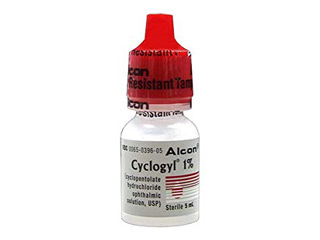

Cyclopentolate (for eye use) – Patient Guide (Australia)
Cyclopentolate is an eye medicine used to temporarily widen (dilate) the pupil and to relax the focusing muscle in the eye. It is commonly used before eye examinations and for certain eye conditions where a dilated, rested eye is helpful.
This guide is designed to help you understand what cyclopentolate does, how it is used, what to expect, and important safety considerations. Always follow the instructions provided by your eye-care professional.
Basic product information
- Active ingredient: Cyclopentolate (commonly as cyclopentolate hydrochloride)
- Dosage forms: Eye drops (strengths vary by product)
- What it does: Dilates the pupil (mydriasis) and paralyzes accommodation (cycloplegia)
- Common uses: Eye examinations, refraction testing, and some inflammatory/uveitis-related management plans
Note: Product strengths and brand names can vary in Australia. Check the label or ask your pharmacist for details specific to your medicine.
How cyclopentolate works (mechanism of action)
Cyclopentolate is an anticholinergic (antimuscarinic) agent. In simple terms, it blocks certain nerve signals that normally make the pupil constrict and the lens change shape for near vision.
- Pupil dilation: By relaxing the muscles that control pupil size, cyclopentolate widens the pupil.
- Reduced focusing ability: It relaxes the ciliary muscle, temporarily preventing the eye from focusing on near objects.
Because it affects eye focusing, cyclopentolate can cause blurred near vision and light sensitivity until the effects wear off.
Pharmacokinetics (what the body does with it)
When used as eye drops, cyclopentolate primarily acts locally in the eye. However, some absorption can occur through the eye tissues and into the bloodstream, especially with repeated dosing or improper use (for example, not using tear/inner-corner pressure).
- Onset: Effects generally begin within minutes after instillation.
- Duration of effect: Cycloplegia and dilation typically last long enough for an examination; in some people, effects may persist into the next day.
- Systemic absorption: Small amounts can be absorbed and may contribute to side effects in sensitive individuals (particularly children).
Practical implication: To minimise systemic absorption, it is often recommended to use punctal occlusion (pressing gently at the inner corner of the eye for about 1 minute) after placing the drops—unless your clinician instructs otherwise.
Typical uses (indications)
Cyclopentolate is used for:
- Temporary pupil dilation and cycloplegia for eye examinations, including refraction testing (determining the correct spectacle/contact prescription).
- Assessment and management in certain eye conditions where temporarily resting the eye’s focusing system and reducing certain responses is beneficial (for example, in some cases of inflammation as advised by an eye-care specialist).
The exact reason for use varies from person to person. Your eye-care professional will decide whether cyclopentolate is appropriate for your situation.
When to use it: timing and expectations
For eye examinations, cyclopentolate is usually administered shortly before the test. Your clinician will typically tell you when to arrive and when to apply the drops if they are given for home use.
Typical practical timing (may vary by product and examination plan):
- Plan for: dilated pupils and blurry near vision after dosing.
- Allow time: Bring sunglasses and plan to avoid tasks that require clear near vision.
- Driving: Do not drive if your vision is blurred or if your light sensitivity is significant. Vision may take time to return to normal.
If the drops are used by a professional in clinic, they will manage the timing for you.
Food interactions
Because cyclopentolate is used in the eye, food interactions are not usually expected.
That said, the medicine’s effects can affect comfort and vision. If your child or you feel unwell or dizzy (uncommon), avoid situations where you might fall, and speak with a healthcare professional.
Alcohol and medicine interactions
Alcohol: There are no direct, well-established alcohol–eye-drop interactions. However, cyclopentolate can cause dizziness, drowsiness, or blurred vision in some people, so alcohol may increase the risk of falls or impaired coordination.
General medicine interactions: Cyclopentolate’s anticholinergic effects may add to side effects when combined with other medicines that also have anticholinergic activity. Tell your pharmacist or doctor if you use any of the following types:
- Medicines for overactive bladder or urinary symptoms
- Some medicines for allergies (antihistamines) that cause drowsiness
- Tricyclic antidepressants or other drugs with anticholinergic properties
- Some medicines for motion sickness
- Any other eye drops prescribed for pupil or accommodation effects
Important: If you have other eye conditions (such as glaucoma), always inform your clinician before using cyclopentolate.
Dosing (general guidance)
Follow the instructions on the product label or from your eye-care professional. The correct dosing depends on the indication, age, and the product strength.
Below is general information commonly used for eye examinations, but your plan may differ:
- Adults and children: Typically, one or more drops are placed into the affected eye(s) at intervals before the examination.
- Number of drops: May range from a single dose to multiple doses depending on the required degree and duration of dilation/cycloplegia.
How to use properly:
- Wash hands.
- Shake the bottle if instructed on the label.
- Pull down the lower eyelid to form a small pocket.
- Tilt your head back and place the prescribed number of drops into the eye.
- Close the eye gently (do not squeeze) and keep it closed for about 1–2 minutes.
- Punctal occlusion: After placing the drop, gently press at the inner corner of the eye for around 1 minute to reduce drainage into the nose and reduce systemic absorption.
- Replace cap and avoid touching the tip to your eye or skin.
Contact lenses: Many people are advised to remove contact lenses before using dilating drops. Reinsert only when your clinician or pharmacist tells you it is safe.
Safety profile and side effects
Cyclopentolate is generally well tolerated when used correctly, but side effects can occur—especially in children or if drops are used too frequently or in higher amounts than intended.
Common local effects
- Blurred vision (often more noticeable for near tasks)
- Light sensitivity due to pupil dilation
- Stinging or irritation immediately after instillation
- Dryness of the eye
Less common systemic effects
Systemic side effects are uncommon when used properly, but may include:
- Dizziness or drowsiness
- Dry mouth
- Flushing
- Fast heartbeat
- Behaviour changes in children
Seek urgent help if
Get urgent medical advice if you or your child experiences any of the following:
- Severe eye pain or a sudden marked worsening of vision
- Severe headache, nausea, or vomiting
- Confusion, extreme sleepiness, or agitation
- Signs of an allergic reaction such as swelling of the face/lips or difficulty breathing
Why this matters: Although uncommon, cycloplegic/dilating agents can precipitate serious complications in people with predisposition to certain types of glaucoma. A clinician will screen for risk, but you should still seek help if symptoms occur.
Practical use tips (getting the best results)
- Bring sunglasses: Dilated pupils increase light sensitivity. Sunglasses can make the period after dosing much more comfortable.
- Avoid near work: Reading, mobile phones, and close-up work may be difficult while accommodation is blocked.
- Plan transport: Consider having someone accompany you, especially after the appointment if you can’t drive.
- Reduce systemic absorption: Use punctal occlusion (inner-corner pressure) for about 1 minute.
- Wash hands after use: Prevent accidental transfer to other people (especially children) or to your own face.
- Keep the bottle tip clean: Avoid touching it to the eye to reduce contamination risk.
- Do not reuse expired medicine: Check expiry dates.
If you miss a dose: Follow your clinician’s instructions. For examination-related dosing, the clinic may adjust timing. Do not double up unless told to.
Alternative options
Depending on the goal of treatment (refraction testing, pupil dilation, inflammation management), your clinician may consider alternatives. Common options may include other cycloplegic or mydriatic drops such as:
- Atropine (stronger and longer lasting; used for specific indications)
- Atropine-like or other cycloplegic agents (choice depends on age, needed effect, and side-effect risk)
- Tropicamide (another pupil-dilating/cycloplegic option used for eye examinations)
Your eye-care professional will select the most appropriate option based on your eye health, age (especially children), the desired duration, and your risk of side effects.
Market and legal context for Australia (what you should know)
In Australia, eye drops containing cyclopentolate may be supplied under different categories depending on the specific formulation and strength. Some products may be available through pharmacies with appropriate guidance, while others may require assessment by a clinician.
Online medicine sales in Australia must comply with relevant regulations and pharmacy standards. Your online pharmacy should provide:
- Clear product details (active ingredient, strength, directions)
- Safety information and warnings
- Appropriate professional support and handling of patient questions
- Secure packaging and reliable delivery information
Recent guidance: Australian healthcare advice and pharmacy practice emphasise patient safety around eye medicines, including careful screening for conditions like glaucoma risk, counselling on side effects, and instructions to prevent accidental systemic exposure in children. If you have any eye history or symptoms, seek professional advice.
Recent guidance and best-practice reminders
- Glaucoma risk screening: Eye-care providers should consider risk factors for narrow-angle or angle-closure glaucoma before using dilating agents.
- Child safety: Children are more susceptible to systemic anticholinergic side effects. Accurate dosing and punctal occlusion are especially important.
- Informed consent for eye effects: Patients should be counselled about blurry vision and light sensitivity, and safety steps like sunglasses and avoiding driving/near work.
- Infection control: Refrain from sharing eye drops; follow hygiene practices to avoid contamination.
Delivery and availability in Australia
Availability can vary by brand and strength. Many cyclopentolate eye drop products are supplied through Australian pharmacies and may be available online from reputable pharmacy providers.
Delivery typically includes:
- Secure packaging to protect the bottle
- Accurate labelling with expiry date and directions
- Tracking or confirmation depending on the supplier
Cold-chain requirements: Most cyclopentolate eye drops do not require refrigeration, but always check the label for storage instructions (for example, “store below 25°C” or “keep at room temperature”).
If you need it urgently for an appointment, contact the online pharmacy to confirm dispatch times and shipping options to your location.
Frequently Asked Questions (FAQ)
1) What is cyclopentolate used for?
Cyclopentolate is used to dilate the pupil and temporarily paralyse focusing for eye examinations, particularly refraction testing. It may also be used for specific eye conditions under professional guidance.
2) How long does it take to work?
It typically starts working within minutes after placing the drops in the eye.
3) How long will my vision be blurry?
Blurred near vision and light sensitivity can last for several hours and, in some people, longer—depending on age, the strength used, and how many drops were given.
4) Will cyclopentolate affect driving?
It can. Because pupils are dilated and near focusing is reduced, you may not be able to drive safely. Wait until your vision feels clear and comfortable before driving.
5) Can I wear sunglasses?
Yes—sunglasses are strongly recommended if you are light sensitive.
6) Can children use cyclopentolate?
It may be used in children for eye examinations, but dosing and safety precautions are crucial. Use the exact instructions provided and consider punctal occlusion to reduce systemic absorption.
7) What should I do if the drops accidentally get on my skin or face?
Rinse the area with water and wash your hands. Be careful to avoid getting drops into another person’s eyes.
8) Are there food or alcohol interactions?
Food interactions are not usually relevant for eye drops. Alcohol may worsen dizziness or impair coordination, so it’s best to avoid alcohol until your vision returns to normal and you feel steady.
9) What if I have glaucoma or eye pressure problems?
Tell your eye-care professional before using cyclopentolate. Seek urgent help if you experience severe eye pain, headache, nausea, or sudden vision changes.
10) Can I use other eye drops at the same time?
Only use other eye medications as directed. If you are combining products, your clinician or pharmacist will advise on timing to prevent interference.
Summary table: key points for patients
| Topic | What to expect / What to do |
|---|---|
| Purpose | Dilates pupil and reduces focusing to help examinations and specific eye management. |
| Onset | Usually within minutes. |
| Main effects | Light sensitivity, blurry near vision, sometimes mild stinging. |
| Duration | Often lasts long enough for the examination; may persist into the next day for some people. |
| Food interactions | Typically none expected. |
| Alcohol | May increase dizziness or impaired coordination; avoid until vision is normal. |
| Important technique | Use punctal occlusion (inner-corner pressure for ~1 minute) when advised. |
| Call for help | Severe eye pain, headache with nausea/vomiting, sudden vision changes, or allergic symptoms. |
| Driving | Avoid driving if vision is blurred or light sensitivity is significant. |
Important safety note
This information is for general education and does not replace advice from your eye-care professional or pharmacist. Eye conditions can vary, and the safest way to use cyclopentolate depends on your individual health, age, and the reason for treatment. If you have questions about your specific product strength or instructions, ask your pharmacist.