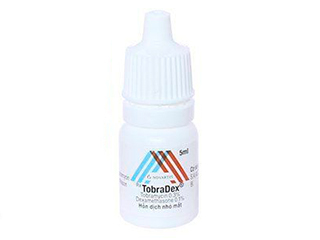
Tobradex (Obramycin/Dexamethasone) Eye Drops & Ointment — Patient Information (Australia)
Tobradex is a medicine used for certain eye conditions where both an infection and inflammation are present. It combines two active ingredients:
- Obramycin (an antibiotic from the aminoglycoside group)
- Dexamethasone (a corticosteroid that reduces inflammation)
This guide explains how Tobradex works, how it is typically used, safety considerations, and practical tips for getting the best results. It is written for people in Australia and includes general information that may help you discuss your treatment with a pharmacist or other healthcare professional.
Quick facts
- Common uses: Eye conditions with bacterial infection and inflammation.
- Medicinal form: Eye drops or eye ointment (strength and formulation may vary by product).
- How it works: Destroys susceptible bacteria (obramycin) and reduces inflammation (dexamethasone).
- Key cautions: Not all redness or pain is due to bacterial infection; steroid use can worsen some infections or raise eye pressure.
- Contact lenses: Generally avoid during treatment unless advised otherwise.
Product information
| Topic | Details |
|---|---|
| Brand name | Tobradex |
| Active ingredients | Obramycin (antibiotic) + Dexamethasone (corticosteroid) |
| Medicinal category | Ophthalmic (eye) anti-infective + steroid |
| Where it’s used | For eye conditions affecting the conjunctiva/cornea/eyelids where inflammation and bacterial infection are suspected |
| Typical forms | Eye drops and eye ointment (availability may vary) |
Important: Eye formulations differ. Always confirm you have the correct product and strength (drops vs ointment) before use.
How Tobradex works (mechanism of action)
Obramycin (antibiotic):
- Works against susceptible bacteria by interfering with protein synthesis inside bacterial cells.
- This helps control the infectious component of the condition.
Dexamethasone (corticosteroid):
- Reduces inflammation by altering inflammatory pathways in eye tissues.
- Helps relieve redness, swelling, irritation, and discomfort associated with inflammatory eye disease.
Together: Tobradex targets both infection and inflammation. This combination is most helpful when a bacterial cause is likely and significant inflammation is present.
Pharmacokinetics (what happens in the body)
Eye drops and ointments primarily act locally in the eye. Systemic absorption is usually low when used as directed, but some medicine can reach the bloodstream.
- Local action: The medication spreads across the eye surface and may reach deeper tissues depending on the condition and anatomy.
- Systemic absorption: Small amounts may be absorbed through the eye surface and via drainage through the nose (nasolacrimal system).
- Metabolism and elimination: Any absorbed fraction is processed by the body similarly to other steroid and antibiotic molecules and is cleared over time (exact rates vary between individuals and products).
Practical implication: While most people experience limited whole-body exposure, systemic steroid effects are still possible with excessive use, long durations, or in people with higher absorption risk.
Typical indications (what it is used for)
Tobradex is used for certain ophthalmic infections accompanied by inflammation, typically when a bacterial cause is suspected or confirmed.
In clinical practice, it may be considered for conditions such as:
- Bacterial conjunctivitis with notable inflammation (as advised by a clinician)
- Blepharoconjunctivitis (inflammation involving eyelids and conjunctiva) where bacterial infection is suspected
- Post-operative inflammatory conditions where there is concern for bacterial involvement (only under specific clinical direction)
Not for every red eye: Steroids can mask symptoms or worsen certain infections. Tobradex is not suitable for all causes of eye redness (for example, some viral eye infections, corneal infections, or non-infective inflammatory conditions require different treatment).
Timing and how to use Tobradex
Follow your healthcare professional’s instructions for the exact schedule and duration. If you are unsure, ask a pharmacist or check the product label.
General timing guidance
- Eye drops are usually used at regular intervals during the day (commonly every 4–6 hours, depending on severity).
- Ointment is often used a bit less frequently (for example, at night) because it remains longer on the eye surface.
- If multiple eye medicines are prescribed, separate them by at least 10–15 minutes to reduce dilution and improve effectiveness.
Best practice technique (eye drop)
- Wash and dry your hands.
- Shake the bottle if the label says to.
- Tilt your head back and gently pull down the lower eyelid to form a small pocket.
- Place drops into the pocket without touching the dropper tip to the eye or eyelids.
- Close your eye gently for 1–2 minutes.
- Press lightly on the inner corner of the eye (near the nose) for about 1 minute to reduce drainage into the nose (and potentially reduce systemic absorption).
- If using contact lenses, remove them first (see below) and wait before reinserting (only if advised).
- Replace the cap firmly after use.
Best practice technique (eye ointment)
- Wash hands.
- Pull down the lower eyelid and apply a thin strip (typically from the inner corner outward depending on label instructions).
- Close the eye gently; keep eyes closed for a short time to spread the ointment.
- Ointments can blur vision briefly—avoid driving until vision clears.
Complete the course: Even if symptoms improve quickly, do not stop early without advice, because stopping too soon may allow the infection to return.
Dosing (general information)
Dosing depends on the condition, severity, age, and whether you are using drops or ointment. The same brand may have different schedules by indication.
Typical patterns clinicians use include:
- Eye drops: Often several times daily (commonly 1 drop into the affected eye(s) at intervals such as 4–6 hours, then reducing as symptoms settle).
- Eye ointment: Often applied at night or fewer times daily because it stays in contact longer.
Duration matters: Dexamethasone-containing eye products are generally used for the shortest effective time due to risks such as increased intraocular pressure and potential complications with certain infections. Your clinician will guide how long treatment should last.
If you miss a dose: Use it as soon as you remember, unless it’s nearly time for the next dose. Do not use a double dose to make up for a missed one.
Food interactions
No specific food interactions are expected with Tobradex, because eye application results in primarily local effects.
However: If you are taking other medicines by mouth and have concerns about drug interactions, mention Tobradex when discussing them with your pharmacist.
Alcohol interactions
There is no well-established direct alcohol interaction with Tobradex based on current knowledge, because systemic exposure is usually low.
- Still, if you experience dizziness, blurred vision, or other side effects after using the ointment or drops, avoid alcohol and do not drive until you feel safe.
- If you are using Tobradex for an extended period, or you have an underlying medical condition, speak to a healthcare professional for personalised advice.
Interactions with other medicines
Drug interaction risk is generally lower with topical eye medicines, but it is still important to consider the total treatment plan.
Common interaction considerations
- Other eye drops/ointments: Separate by 10–15 minutes.
- Blood pressure/eye pressure meds: If you use medicines for glaucoma or ocular hypertension, inform your clinician because steroid-containing drops may affect intraocular pressure in some people.
- Immunosuppressive conditions or treatments: Steroids can have immunosuppressive effects locally; discuss relevant medical history.
Report to a pharmacist or doctor if you use:
- Any eye drops for glaucoma or high eye pressure
- Other antibiotic or antiviral eye products
- Frequent steroid use for any condition
- Medicines that affect immune function
Safety profile and important precautions
Like all medicines, Tobradex can cause side effects. Many are mild and related to local eye irritation.
Common side effects
- Stinging, burning, or mild irritation on application
- Redness of the eye
- Tearing or watery eyes
- Temporary blurred vision (especially with ointment)
Less common but important risks
- Increased intraocular pressure (eye pressure): Corticosteroids can raise eye pressure, which may worsen glaucoma or damage optic nerve in susceptible people.
- Delayed healing: Steroids can slow the healing process in some situations.
- Infection masking or worsening: Steroids may reduce symptoms while allowing certain infections (including some viral infections) to progress.
- Corneal complications: Long-term use or inappropriate use can increase risk of corneal thinning or other issues in certain eye infections.
Who should take extra care
- People with glaucoma or a history of raised eye pressure
- People with corneal problems or prior corneal infections
- People with suspected herpetic eye disease (viral infection)
- Children or those unable to follow safe hygiene techniques (need careful handling)
- Anyone using the product longer than advised
When to stop and seek urgent help
Contact urgent medical care or your eye care provider promptly if you have:
- Severe eye pain
- Sudden vision changes or significant worsening
- Swelling around the eye with fever or feeling unwell
- No improvement after a few days of treatment, or symptoms worsen
- Increased light sensitivity or a “tight” feeling in the eye
Practical use tips (to improve results and reduce risk)
- Avoid touching the tip: Prevents contamination.
- Do not share your medication: Eye infections can be contagious, and sharing can spread germs.
- Contact lenses: In general, avoid contact lenses during infection or inflammation. If your clinician approves lens use, follow their specific guidance and ensure lenses are removed before using drops/ointment. Reinsert only when advised.
- Hygiene: Wash hands before and after using the medicine. Replace eye makeup after the infection resolves.
- Storage: Keep the bottle/ointment tube tightly closed and store according to the label (often at room temperature; avoid heat and direct sunlight).
- Don’t extend treatment: Steroids should typically be used for the shortest effective period; prolonged use may require monitoring of eye pressure.
- Check your plan for monitoring: If treatment continues beyond short courses, you may need eye pressure checks.
Alternative options
Because Tobradex contains both an antibiotic and a steroid, alternatives depend on the exact diagnosis and cause of your symptoms.
Possible alternatives (discuss with your pharmacist or doctor)
- Antibiotic-only eye drops or ointments (if inflammation is mild or steroid is not appropriate)
- Anti-inflammatory treatments without antibiotics (for non-infective inflammatory conditions)
- Antiviral therapy for certain viral eye infections (steroids may be harmful in some cases)
- Artificial tears to relieve irritation (supportive care)
Why alternatives matter: Using a steroid-containing product when the underlying cause is viral, fungal, or otherwise non-bacterial can worsen outcomes. Correct diagnosis is important.
Market and legal context for Australia
In Australia, medicines for the eye are supplied under the national regulatory framework administered by the Therapeutic Goods Administration (TGA). Products such as Tobradex are classified and supplied according to their approved status and label requirements.
Supply and use can differ depending on whether a product is:
- Listed/registered on the Australian Register of Therapeutic Goods, and
- Classified for pharmacist-only or prescription-only supply (depending on local classification and formulation).
Online pharmacies in Australia typically require adherence to relevant Australian regulations, including medicine classification requirements and appropriate patient screening.
Note: Product availability can vary by supplier and by whether drops or ointment are currently in stock.
Recent guidance and monitoring considerations
Eye-care guidance commonly emphasises:
- Correct diagnosis of the cause of red painful eyes before using steroid-containing eye drops.
- Short courses and avoidance of unnecessary steroid exposure.
- Monitoring eye pressure when steroids are used for longer periods or in higher-risk individuals.
- Patient education on recognising danger signs and seeking timely assessment.
If your symptoms do not improve quickly, or if you have recurrent episodes, prompt review is recommended to confirm that the chosen treatment matches the underlying condition.
Delivery and availability (Australia)
Online pharmacies in Australia generally deliver to residential addresses and may offer:
- Standard delivery (typically several business days)
- Express delivery where available
- Tracking for shipped orders
Availability: Tobradex eye drops and/or eye ointment may be stocked depending on supplier demand. If a specific pack size is not immediately available, substitutions may not be permitted—your pharmacy may contact you to confirm options based on the product’s classification and clinical equivalence.
Storage on arrival: Check packaging integrity and store the medicine according to the label instructions once received.
Frequently Asked Questions (FAQ)
1) What is Tobradex used for?
Tobradex is used for certain eye conditions where bacterial infection and inflammation occur together. It combines an antibiotic (obramycin) with a corticosteroid (dexamethasone) to treat both components.
2) Can I use Tobradex for any red eye?
No. Red eye can be caused by many conditions (viral, allergic, dryness, injury, or other eye problems). Steroids can worsen some infections or delay proper diagnosis. If your eye is painful, your vision changes, or symptoms are severe, get urgent eye advice.
3) How soon should I feel better?
Many people notice some symptom relief within a few days if the cause is appropriate and the treatment is used correctly. If there is no improvement after several days, or symptoms worsen, seek review.
4) Is Tobradex safe for long-term use?
Long-term use increases risk, particularly of raised eye pressure and other steroid-related eye complications. Use Tobradex for the shortest effective time and follow clinician guidance about duration and monitoring.
5) Will Tobradex interact with my other eye drops?
Some combinations are fine, but it’s important to separate different eye medications by 10–15 minutes and keep a clear schedule. Tell your pharmacist what you use currently.
6) Can I wear contact lenses while using Tobradex?
It’s generally recommended to avoid contact lenses during infection or inflammation. If your clinician advises lens use, follow their instructions precisely, including removal before applying drops/ointment and when you can safely reinsert lenses.
7) What if I accidentally put too many drops in my eye?
A higher number of drops may increase irritation and side effects but is unlikely to cause severe harm from a single dose. If you feel significant pain, swelling, or vision changes, seek advice. If you are regularly overdosing, contact your pharmacist for guidance.
8) Can children use Tobradex?
Use in children depends on diagnosis and age. Safety and dosing require careful guidance. If prescribed for a child, ensure correct technique and appropriate caregiver supervision.
9) Are there any signs I should stop treatment and get help immediately?
Yes. Seek urgent medical attention for severe pain, worsening redness, light sensitivity, vision changes, or symptoms that rapidly deteriorate. These may indicate a condition requiring different or urgent management.
10) How should I store Tobradex?
Store according to the label instructions. Keep the container tightly closed, away from heat and direct sunlight. Do not use if the solution/ointment looks abnormal or if the product has expired.
Final reassurance
Tobradex can be effective when used for the right eye problem and for the right length of time. Because it contains a steroid, careful use is important—especially if symptoms do not improve or if there are warning signs such as pain or vision changes.
If you have questions about your specific condition, the correct schedule, or whether Tobradex is suitable, speak with a pharmacist or your eye-care professional.