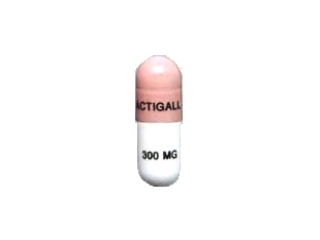

Actigall (Ursodeoxycholic Acid) – Patient Guide (Australia)
Actigall is a medicine containing ursodeoxycholic acid (UDCA). It is used mainly to treat certain liver and bile duct conditions, particularly those involving cholesterol gallstones and some forms of bile flow impairment. This page explains what Actigall is, how it works, how it’s typically taken, safety information, and what to consider with food, alcohol and other medicines.
Quick product information
| Item | Details |
|---|---|
| Medicine name | Actigall |
| Active ingredient | Ursodeoxycholic acid (UDCA) |
| Common use | Certain cholesterol gallstones; some cholestatic (bile-flow) liver conditions |
| Typical course length | Often months to years (depends on indication) |
| How it’s taken | Usually by mouth, daily, with regular monitoring |
What is ursodeoxycholic acid?
Ursodeoxycholic acid is a naturally occurring bile acid. Your body uses bile acids to help digest fats. In certain liver and gallbladder disorders, UDCA can help improve bile composition and flow and may reduce harmful effects of bile acids.
How Actigall works (mechanism of action)
Actigall helps mainly by changing how bile behaves in the body. Key actions include:
- Dissolving certain gallstones: UDCA can reduce cholesterol content in bile and gradually dissolve cholesterol gallstones over time.
- Improving bile flow (cholestasis): It may promote more normal bile flow and reduce bile-related irritation of liver tissue.
- Protecting liver cells: UDCA can stabilise cell membranes and reduce toxicity from more harmful bile acids.
- Modifying bile composition: It shifts the balance toward a less damaging bile acid profile.
Pharmacokinetics (how the medicine behaves in the body)
Pharmacokinetics describes what happens to a drug after you take it—absorption, distribution, metabolism and elimination. While individual responses can vary, the overall pattern for UDCA includes:
- Absorption: UDCA is absorbed from the small intestine.
- Distribution: It is taken up into the liver, then secreted into bile.
- Enterohepatic circulation: UDCA undergoes recycling between the gut and liver. This is partly why treatment can require regular long-term dosing.
- Metabolism and excretion: UDCA and its metabolites are eventually eliminated via faeces and small amounts via urine.
What Actigall is commonly used for (indications)
Actigall is used for specific conditions where improving bile balance and/or dissolving gallstones can be beneficial. Common indications include:
- Cholesterol gallstones in people who are suitable for non-surgical management. Actigall is most effective for small, radiolucent (not visible on x-ray) gallstones with a functioning gallbladder.
- Some cholestatic (bile-flow) liver disorders, where UDCA may improve laboratory results and symptoms. (Specific eligibility depends on diagnosis and clinical findings.)
Your suitability for Actigall depends on the type of condition, the features of any gallstones, your liver tests, and overall clinical context. If you’re unsure whether Actigall fits your diagnosis, speak with a healthcare professional.
Typical dosing (how much and when)
Dosage depends on the condition being treated, your body weight (in some cases), and how you respond. Always use the dose advised for you by your clinician. Below is a general guide used in practice.
General dosing guidance
- Cholesterol gallstones: dosing is commonly calculated based on body weight and is taken daily. Treatment often takes months and may need ongoing follow-up.
- Cholestatic liver conditions: dosing may also be weight-based depending on the diagnosis.
Do not change your dose without medical advice. If you miss a dose, take it when you remember unless it’s close to the next dose. Avoid doubling up.
Timing and how to take Actigall
Actigall is usually taken as a daily dose, often split into two or more administrations depending on your prescribed regimen. Splitting the dose may help maintain a steadier effect.
Practical tips for timing
- Take it consistently: choose times that you can stick to every day.
- With meals (often preferred): taking UDCA with food may support absorption in some people.
- Follow your prescription directions: the exact schedule matters for best results.
Food interactions and dietary considerations
Food interactions can affect absorption and bile chemistry. While UDCA can often be taken with food, the following considerations are commonly advised:
- Take with or after meals if advised: many people find taking Actigall after a meal helps adherence and comfort.
- High-fat meals: bile is needed for fat digestion. If you notice symptoms after eating, discuss it with your healthcare professional.
- Maintain a balanced diet: a healthy diet supports liver and gallbladder function overall.
If your clinician has given specific dietary advice for your condition (for example, gallstone risk management), follow that guidance.
Alcohol interactions
Alcohol may worsen liver health and can increase the risk of liver-related problems in people with underlying liver disease. Because Actigall is used for conditions involving the liver and bile system, it’s generally wise to:
- Limit or avoid alcohol unless your doctor says otherwise.
- Monitor symptoms such as unusual fatigue, jaundice (yellowing of the skin/eyes), dark urine or pale stools and seek advice promptly if they occur.
There isn’t a single “absolute” rule that applies to every patient, but liver conditions make cautious alcohol use important.
Medicine interactions (important)
Several types of medicines can interfere with UDCA activity. Always tell your healthcare professional and pharmacist about all medicines you use, including over-the-counter products, vitamins and herbal supplements.
Common interaction categories
- Bile acid binding agents: medicines that bind bile acids in the gut can reduce absorption/effect of UDCA.
- Cholesterol-lowering therapies: some may influence bile composition. Your clinician can advise what’s appropriate for your condition.
- Hormonal therapies: certain oestrogen-containing medicines can affect bile cholesterol levels in some people.
- Other hepatically metabolised medicines: while UDCA generally has a favourable interaction profile, monitoring may still be advised in patients taking multiple medicines.
Herbal and complementary products
Herbal supplements and “natural” products can also affect the liver or change drug handling. Examples include products marketed for liver support that may contain active ingredients with unknown effects. It’s best to discuss any supplements with your pharmacist before starting them alongside Actigall.
Safety profile and side effects
Like all medicines, Actigall can cause side effects. Many people tolerate UDCA well, but individual reactions vary. If you feel unwell or notice new symptoms, seek advice.
Common side effects
- Gastrointestinal symptoms such as diarrhoea, loose stools or abdominal discomfort.
- Mild nausea in some people.
Serious side effects (seek urgent medical help)
Serious reactions are uncommon, but get urgent help if you experience:
- Signs of allergy (swelling of face/lips, difficulty breathing, severe rash or hives).
- Worsening jaundice or severe symptoms suggesting significant liver or bile duct problems.
When to contact your healthcare professional
- Persistent diarrhoea or worsening stomach symptoms.
- New or worsening itching, fatigue, or changes in stool/urine colour.
- Any change that concerns you after starting UDCA.
Practical use tips (getting the best results)
Actigall often takes time to work, especially for gallstones. The following tips can help you stay on track and improve the chance of benefit.
- Don’t expect instant results: gallstone dissolution is gradual and may take many months.
- Keep follow-up appointments: liver function tests and imaging (when applicable) help determine progress.
- Take it at the same times each day: consistent dosing improves adherence and effectiveness.
- Track symptoms: record changes in pain, itching or digestion to discuss with your clinician.
- Know your contraindications: suitability depends on your diagnosis and investigations. If you have biliary obstruction or certain gallstone types, UDCA may not be appropriate.
Special considerations (who should take extra care)
- Pregnancy and breastfeeding: use in pregnancy or while breastfeeding requires medical assessment of benefits and risks.
- Children: dosing and suitability should be determined by a clinician.
- Existing liver or bile duct problems: monitoring is important, particularly if symptoms change.
- Adherence difficulties: if you struggle with daily dosing, discuss options or reminders with your pharmacist.
Alternative options to consider
Depending on your diagnosis, alternatives may include:
- Surgical or procedural approaches for gallstone disease (for example, gallbladder removal) where appropriate.
- Other medical therapies for cholestatic liver conditions, selected based on the specific diagnosis and severity.
- Lifestyle and supportive measures for bile-related symptoms, under clinician guidance.
The best alternative depends on whether the goal is gallstone dissolution, improving bile flow, or managing symptoms. A healthcare professional can tailor the plan to your condition and preferences.
Actigall in the Australian market: legal and practical context
In Australia, medicines are classified according to the Therapeutic Goods Administration (TGA) and may be available via different channels depending on brand, formulation and safety classification. Availability can also vary by strength and pack size.
To purchase and use Actigall safely in Australia, ensure:
- You check the product details and strength on the pack.
- You confirm it matches what your clinician intended.
- Any monitoring requirements (blood tests, imaging) are followed.
Recent guidance and monitoring (what to expect)
Guidance for UDCA use is updated as new evidence becomes available and as regulatory and clinical standards evolve. In general, patients on UDCA for gallstones or cholestatic liver disease may be advised to:
- Have liver blood tests monitored periodically to assess response and safety.
- Have imaging follow-up when gallstones are being treated (where appropriate).
- Discuss symptoms early—worsening pain, fevers, jaundice or significant changes in stool/urine can indicate complications.
If you receive updated advice from your healthcare professional, follow it—even if your earlier plan hasn’t changed.
Delivery and availability (Australia)
Online pharmacy availability depends on local stock, permitted import rules, and the specific pack format. When ordering Actigall through an online pharmacy:
- Check stock status: some strengths or pack sizes can be temporarily unavailable.
- Delivery timeframes: delivery speed varies by location and courier service.
- Preserve packaging: keep the original carton to reference the correct strength and expiry date.
If you need Actigall urgently, contact customer support to confirm dispatch times and delivery estimates.
How to store Actigall
Always store medicine according to the instructions on the pack. In general:
- Keep out of the sight and reach of children.
- Store at the recommended temperature (usually in a cool, dry place).
- Do not use after the expiry date.
FAQ – Actigall (Ursodeoxycholic Acid)
1) How long does Actigall take to work?
It depends on the condition. For cholesterol gallstones, dissolution can take months and isn’t guaranteed. For cholestatic liver conditions, some people notice lab improvements earlier, but ongoing treatment and monitoring are often required.
2) Will I feel different immediately after starting Actigall?
Not necessarily. Some side effects (such as mild stomach upset or diarrhoea) may appear early, while improvements in gallstones or bile-related lab results usually take time.
3) What should I do if I miss a dose?
Take the missed dose when you remember, unless it’s close to your next scheduled dose. Don’t take a double dose to make up for a missed one.
4) Can I take Actigall with food?
In many cases, taking it with or after meals is fine and may support absorption. Follow your specific instructions from your healthcare professional or pharmacist.
5) Are there specific foods I should avoid?
There are no universal “forbidden” foods, but maintaining a balanced diet is recommended. If you have symptoms after certain meals, discuss them with your clinician.
6) Can I drink alcohol while taking Actigall?
Because Actigall is used for liver and bile conditions, it’s generally recommended to limit or avoid alcohol unless your healthcare professional advises otherwise.
7) What medicines should not be taken together with Actigall?
Some medicines may reduce UDCA’s effect (for example, certain bile acid binding medicines). Always provide your pharmacist with a full list of what you take, including supplements and herbal products.
8) Is Actigall suitable for everyone with gallstones?
No. UDCA works best for cholesterol gallstones with specific characteristics. Other types of gallstones or gallbladder conditions may require different approaches.
9) What side effects are most common?
The most common are gastrointestinal effects like loose stools or diarrhoea and mild stomach discomfort. Report persistent or troublesome symptoms to your healthcare professional.
10) When should I seek urgent medical help?
Seek urgent help if you develop signs of allergy (such as swelling or difficulty breathing) or if you experience severe or rapidly worsening liver/bile symptoms like marked jaundice, severe abdominal pain, fever, or persistent vomiting.
Important reminders
- Actigall is used for specific conditions—confirm your diagnosis and treatment plan.
- Follow monitoring schedules for liver function tests and any imaging recommended.
- Keep a current list of all medicines and supplements and review it with your pharmacist.
If you have questions about whether Actigall is right for your situation, or you need help understanding how to take it safely, consult a qualified healthcare professional or pharmacist.