Zyprexa (Olanzapine) — Patient Information (Australia)
Zyprexa is a brand of olanzapine, a medicine used to treat certain mental health conditions. This guide is written for patients and carers and uses everyday language. It does not replace advice from a healthcare professional. If you are unsure whether Zyprexa is right for you, or if your symptoms change, seek medical guidance promptly.
1) Basic product information
| Item | Information |
|---|---|
| Brand name | Zyprexa |
| Active ingredient | Olanzapine |
| Medicine type | Atypical (second-generation) antipsychotic |
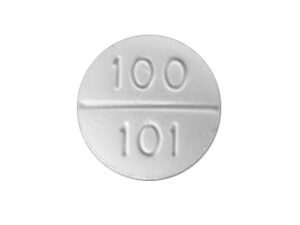
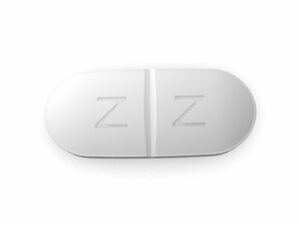
| Common forms | Tablets and other olanzapine formulations may be available (availability can vary by supplier/state) |
| Typical dosing frequency | Usually once daily (varies by individual and clinical plan) |
| Where it’s used | Hospitals and outpatient mental health care |
In Australia, olanzapine is supplied through prescription medicines channels and pharmacy dispensing. Your local pharmacy can confirm the exact presentation(s) they stock.
2) How Zyprexa works (mechanism of action)
Olanzapine helps improve symptoms by influencing key brain chemicals (neurotransmitters). The exact way it helps each person can differ, but it mainly targets:
- Dopamine (D2) receptors: Helps reduce symptoms such as hallucinations, delusions, and agitation.
- Serotonin (5-HT) receptors: Helps improve mood-related symptoms and supports balance of dopamine pathways.
- Other receptor actions: Olanzapine also affects receptors linked with histamine and adrenergic signalling, which can contribute to effects like calmness and drowsiness.
Because brain chemistry changes take time, symptom improvement can begin within days for some people, but a fuller response may take several weeks.
3) Pharmacokinetics — how your body handles olanzapine
“Pharmacokinetics” describes how the medicine is absorbed, distributed, metabolised, and removed from the body. Key points for olanzapine include:
- Absorption: Olanzapine is absorbed after oral dosing.
- Peak levels: Blood levels typically rise to a peak within a few hours after taking a tablet.
- Metabolism: Mainly processed in the liver.
- Elimination: Metabolites are cleared primarily through the kidneys and bile pathways.
- Half-life: Olanzapine has a relatively long half-life, supporting once-daily dosing for many people.
Individual differences (such as liver function, smoking status, age, and other medicines) can affect how quickly olanzapine is broken down and cleared.
4) Typical use — what Zyprexa is commonly used for
Zyprexa is an antipsychotic medicine used for conditions where symptoms may include hallucinations, delusions, disorganised thinking, and/or significant mood instability.
Common indications in clinical practice may include:
- Schizophrenia and other psychotic disorders
- Acute manic or mixed episodes associated with bipolar disorder
- Bipolar depression (in some treatment plans, particularly when olanzapine is used in combination)
- Maintenance therapy for relapse prevention in bipolar disorder (based on clinical judgement)
The exact indication for each patient depends on diagnosis, symptoms, prior treatment response, and tolerability. Your healthcare team will decide the most suitable option.
5) Timing and how to take it
Many people take olanzapine once daily. Some experience drowsiness, so the time of day matters. Follow your prescribed schedule exactly, and do not adjust doses on your own.
Practical timing tips
- If you feel sleepy after a dose: Taking it in the evening may help.
- If it makes you too sedated: Speak with your clinician promptly—dose adjustments or timing changes may be needed.
- Try to be consistent: Taking it at roughly the same time each day can support steadier effects.
- If you miss a dose: Take it when you remember if it’s close to the next dose time. Otherwise, skip and continue your usual schedule. Avoid doubling doses.
Missed dose reminder (general)
If you’re unsure what to do, check with your pharmacist. Different people may have different schedules, and it’s safer to get advice tailored to you.
6) Food interactions — what to know
Olanzapine can generally be taken with or without food. However, food may influence how quickly it is absorbed for some people. For best day-to-day consistency:
- Choose a routine: Take it the same way each day (with or without food).
- If nausea occurs: Taking it with food may reduce stomach upset for some people.
If you have gastrointestinal symptoms, diabetes, or dietary restrictions, consider discussing the best routine with your healthcare team.
7) Alcohol and medicine interactions
Alcohol
Alcohol may increase drowsiness and impair coordination when used with olanzapine. This can raise the risk of falls, accidents, and feeling overly sedated.
- Safer approach: Limit or avoid alcohol unless your healthcare professional says it’s safe.
- Never drive or operate machinery if you feel drowsy or unsteady.
Medicine interactions (important examples)
Olanzapine can interact with other medicines. Common interaction categories include:
- Medicines that affect sedation: Some sleep medicines, opioids, benzodiazepines, antihistamines, and some strong pain medicines may increase sedation.
- Medicines affecting liver enzymes: Some drugs can raise or lower olanzapine levels, potentially affecting effect and side effects.
- Anticholinergic medicines: May increase constipation, dry mouth, or blurred vision.
- Medicines affecting blood pressure: If you take antihypertensives, you may be more prone to dizziness on standing.
- Diabetes-related medicines: Olanzapine can affect blood glucose and may require monitoring and possible adjustment of diabetes therapies.
Always tell your pharmacist about all medicines you use, including over-the-counter products and supplements. This helps avoid unwanted interactions.
Smoking and tobacco products
Tobacco smoke (including cigarettes) can affect how olanzapine is metabolised in the body. If you change your smoking habits (start, stop, or significantly reduce), notify your clinician so they can reassess treatment.
8) Indications — when Zyprexa may be used
In Australia, olanzapine is used for diagnosed conditions in line with accepted clinical guidelines and prescribing practices. Examples include:
- Schizophrenia: Helps manage positive symptoms (such as hallucinations and delusions) and can also improve overall functioning.
- Bipolar disorder: Used for acute mania and may be part of maintenance treatment depending on patient-specific factors.
- Other mood or psychotic presentations: Your healthcare professional may consider olanzapine when clinically appropriate.
Your treatment plan should be based on your history, symptom pattern, past medication responses, and side-effect risks.
9) Dosing — common starting and maintenance approaches (general guidance)
Dosing is individual. Age, diagnosis, symptom severity, and previous antipsychotic exposure influence the final dose. The information below is a general overview, not a personal dosing instruction.
- Adults: Starting doses are typically low-to-moderate, then adjusted based on response and tolerability.
- Older adults: Often start at a lower dose because sensitivity to side effects (such as sedation and blood pressure changes) can be higher.
- Treatment adjustments: Dose changes are usually made gradually to reduce side effects and help identify the lowest effective dose.
Key principle: For many patients, the goal is the lowest effective dose that controls symptoms with acceptable side effects.
What to expect when titrating (dose changes)
- First days to weeks: Common to assess sleepiness, dizziness, blood pressure, and early metabolic effects (weight, appetite).
- Several weeks onward: Further assessment of symptom control and longer-term side effects.
Do not stop olanzapine suddenly without medical guidance. Abrupt changes can worsen symptoms and increase risk of withdrawal-like effects.
10) Safety profile — side effects and when to seek help
Like all medicines, olanzapine can cause side effects. Many are manageable, but some require urgent attention. If you experience severe reactions, seek medical care promptly.
Common side effects
- Drowsiness or sedation
- Increased appetite and weight gain
- Dizziness, especially when standing up
- Constipation
- Dry mouth
- Swelling (less common)
- Changes in blood sugar (may increase risk of hyperglycaemia)
Metabolic and long-term risks (important)
Olanzapine is associated with a higher risk of metabolic changes than some other antipsychotics. Your clinician may monitor:
- Weight and waist
- Blood glucose (including diabetes risk)
- Lipids (cholesterol and triglycerides)
- Blood pressure
If you notice increased thirst, frequent urination, unexplained fatigue, or blurry vision, contact your healthcare team. These may be signs of high blood sugar.
Movement-related side effects
- Restlessness (akathisia)
- Stiffness or tremor
- Unusual involuntary movements
Inform your clinician if you develop troubling movement symptoms so that treatment can be reviewed.
Serious but uncommon warning signs
Seek urgent medical attention if you experience:
- Signs of allergic reaction: swelling of face/lips, difficulty breathing, severe rash
- Severe muscle stiffness, high fever, confusion, or rapid heartbeat (possible serious reaction)
- Fainting or chest pain
- Symptoms of severe high blood sugar (especially with vomiting, dehydration, or worsening confusion)
Pregnancy and breastfeeding (general considerations)
If you are pregnant, planning pregnancy, or breastfeeding, discuss olanzapine with your clinician. Risks and benefits vary by individual situation, and mental health stability is important for both parent and baby.
11) Practical use tips — getting the best results with fewer problems
Weight and metabolic management
- Track your weight (weekly or as advised).
- Choose sustainable nutrition: aim for balanced meals with adequate protein and fibre.
- Physical activity: even light daily activity can help.
- Regular monitoring: attend blood tests for glucose and lipids as recommended.
Managing constipation
- Increase fluids (if safe for you) and fibre intake.
- Stay active if possible.
- Ask your pharmacist about safe stool-softening options if needed.
Reducing dizziness
- Stand up slowly from sitting or lying down.
- Be cautious with sudden movements.
- Tell your clinician if dizziness is persistent.
Sleepiness and daily safety
- Avoid alcohol and driving until you know how you react.
- If you feel very drowsy, consider whether evening dosing is appropriate (discuss with your clinician).
Do not stop suddenly
Stopping abruptly can lead to symptom worsening. If you and your clinician decide to stop, the plan usually involves gradual tapering.
12) Alternative options — other treatments you may discuss
Treatment choices depend on diagnosis, symptom targets, and your side-effect preferences. Alternatives may include:
- Other atypical antipsychotics (each has different benefits and metabolic profiles)
- Mood stabilisers for bipolar disorder (depending on symptoms and history)
- Psychological therapies such as cognitive behavioural therapy (CBT) and psychoeducation
- Supportive care including sleep, routine, and coping strategies
If weight gain, sedation, or metabolic changes are major concerns, your clinician may consider another antipsychotic or a combined approach. Decisions should be individual and based on what has worked for you before.
13) Market and legal context in Australia
In Australia, medicines like olanzapine are regulated under the TGA (Therapeutic Goods Administration) framework. Zyprexa is listed as a medicine that is supplied through appropriate channels for patient safety. Pharmacists play an important role in ensuring safe use, reviewing interactions, and supporting monitoring.
Local requirements may include identification details, medicine supply restrictions, and storage rules. Availability can vary between pharmacies and wholesalers. Your dispensing pharmacy can also advise on the correct product strength and form.
14) Recent guidance and monitoring expectations (general)
While guidance can change over time, clinical practice in Australia commonly emphasises:
- Ongoing metabolic monitoring (weight, glucose, lipids, blood pressure)
- Reviewing the “lowest effective dose” over time
- Assessing side effects regularly (sleepiness, movement symptoms, blood pressure)
- Family/carer education on early signs of relapse and side effects
- Smoking status review if treatment continues or changes occur
If you have concerns about how you’re being monitored, ask your GP or psychiatrist what checks are recommended for your situation.
15) Delivery and availability (online pharmacy)
Availability of Zyprexa can vary by brand stock, strength, and formulation. Online pharmacies commonly arrange delivery after verification of the requested product.
What to expect
- Stock availability: Some strengths may be limited; alternatives may be offered in certain cases.
- Dispatch times: Depend on supplier location and order verification.
- Packaging: Medicines are typically supplied in pharmacy-appropriate protective packaging.
- Delivery areas: Coverage depends on the pharmacy’s service footprint.
If you need Zyprexa urgently to avoid missed doses, contact customer support so they can confirm realistic dispatch timelines.
16) Frequently Asked Questions (FAQ)
Is Zyprexa the same as olanzapine?
Yes. Zyprexa is a brand name that contains olanzapine as the active ingredient. Your product label will show the strength and form.
How long does it take to work?
Some improvement may be noticed within days, but a full response often takes several weeks. Your clinician will review your symptoms regularly to decide on dose adjustments.
Can I take Zyprexa with food?
In many cases, olanzapine can be taken with or without food. For routine consistency and comfort, choose a method that suits you and keep it consistent unless your healthcare professional advises changes.
Will it make me gain weight?
Weight gain and increased appetite can occur with olanzapine. Metabolic monitoring and healthy lifestyle strategies can help. If weight gain becomes significant or you develop symptoms of high blood sugar, seek medical advice promptly.
Does alcohol interact with Zyprexa?
Alcohol can increase drowsiness and impair coordination when taken with olanzapine. It’s generally safer to avoid or limit alcohol. If you drink, discuss safe limits with your healthcare professional.
What happens if I miss a dose?
If you remember soon after the scheduled time, take it. If it’s close to the next dose, skip the missed dose and continue your usual schedule. Avoid doubling. If you’re unsure, ask your pharmacist.
Can I stop Zyprexa suddenly?
It is usually not recommended to stop abruptly without medical guidance. Stopping suddenly can lead to worsening symptoms. If discontinuation is planned, tapering may be used.
Does smoking affect olanzapine?
Tobacco smoke can influence olanzapine metabolism. If you start, stop, or change smoking significantly, notify your clinician so your treatment plan can be reviewed.
What monitoring should I expect?
Common monitoring includes weight, blood pressure, blood glucose, and cholesterol/lipids. Your doctor may also review movement symptoms and overall side-effect burden.
Are there alternatives if I can’t tolerate side effects?
Yes. Options may include switching to another antipsychotic or adjusting dose or timing, depending on your diagnosis and symptom response. Non-medication supports (such as therapy and structured routines) can also help.
17) Key takeaways
- Zyprexa (olanzapine) is an antipsychotic medicine used for conditions such as schizophrenia and bipolar disorder.
- It works by affecting dopamine and serotonin pathways in the brain.
- Many people take it once daily; timing may be adjusted to manage drowsiness.
- Food is usually not a major problem, but consistency helps.
- Alcohol can increase sedation; limit or avoid it unless advised otherwise.
- Metabolic side effects are important—regular monitoring for weight, blood sugar, and lipids is commonly recommended.
- If you develop concerning symptoms (severe reactions, fainting, signs of high blood sugar), seek urgent medical help.
If you’d like, tell us your general needs (for example: daytime sedation, weight concerns, or missed-dose support) and we can help you prepare a list of questions to discuss with your pharmacist or doctor before continuing treatment.