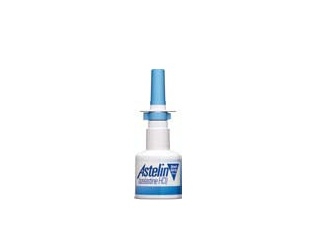
Azelastine (Azelastine Hydrochloride) – Patient Information (Australia)
Azelastine is an antihistamine medicine used mainly to relieve symptoms of allergic conditions, particularly allergic rhinitis (hay fever) affecting the nose and sinuses. It works quickly and is available in different forms (commonly as a nasal spray; some products may be ophthalmic preparations for allergy-related eye symptoms). This page explains how azelastine works, how to use it safely, what to expect, and key interactions and precautions.
Quick facts
- Active ingredient: Azelastine (often as azelastine hydrochloride)
- Main use: Relief of allergy symptoms such as sneezing, itching, runny nose, and nasal congestion (rhinitis); some products are for allergic eye symptoms
- How it works: Antihistamine with additional anti-allergic effects
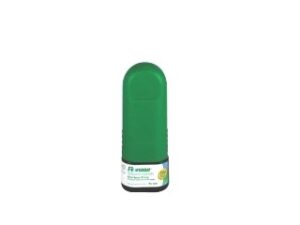
- Common form in Australia: Nasal spray (brand names vary by manufacturer)
- When it starts working: Often within minutes for some symptoms, with best effect as regular dosing continues
- Common side effects: Bitter taste, drowsiness (less common with nasal use), nasal irritation
Basic product information
Azelastine is a second-generation antihistamine. Unlike older antihistamines, it tends to be less sedating in many people, though individual responses can vary.
Depending on the product you choose, azelastine may be supplied as:
- Nasal spray for allergic rhinitis
- Eye drops for allergic conjunctivitis (itchy, watery, irritated eyes)
Product strength, dosing frequency, and age suitability may differ between formulations. Always follow the directions supplied with your specific product label.
How azelastine works (mechanism of action)
Azelastine blocks the effects of histamine, a substance released by the body during allergic reactions. It works mainly as a H1-receptor antagonist, reducing symptoms such as:
- sneezing
- itching
- runny nose (rhinorrhoea)
- itchy, watery eyes (for eye formulations)
- some degree of nasal congestion
Azelastine also has anti-inflammatory (anti-allergic) properties. This can help reduce the overall allergic response, not only the immediate histamine effects.
Pharmacokinetics (how the medicine behaves in the body)
Pharmacokinetics describes how a medicine is absorbed, distributed, metabolised, and eliminated. For azelastine:
- Absorption: With nasal use, medication is absorbed primarily through the nasal tissues and to a smaller extent systemically.
- Distribution: It distributes through body tissues after absorption.
- Metabolism: Azelastine is metabolised in the body (primarily by liver pathways).
- Elimination: The metabolites and drug are eliminated largely through urine and, to a lesser extent, via other routes.
Practical takeaway: nasal dosing targets the allergy site, so systemic effects are usually limited, but side effects can still occur in some people.
Typical uses (indications) in Australia
Azelastine is used for allergic conditions where histamine contributes to symptoms, including:
- Allergic rhinitis (hay fever): sneezing, itching, runny nose, nasal irritation, and nasal congestion
- Seasonal and perennial allergies: symptoms that occur year-round or during specific seasons
- Allergic conjunctivitis (eye products): itching, watering, and redness linked to allergies
Some products may be indicated for different age groups. Choose the product that matches your symptoms (nose vs eyes) and your age.
Timing and when to take azelastine
How quickly azelastine helps can depend on the symptoms you’re treating and the formulation used.
- For nasal symptoms: Many people experience symptom relief within minutes after using a nasal spray.
- For best control: Regular use during allergy exposure (e.g., during pollen season) often provides more consistent symptom reduction.
General timing tips:
- Use it at times that align with your symptom pattern (for example, morning for daytime symptoms, evening for night-time symptoms).
- If your product label recommends multiple daily doses, space them evenly across the day.
- Because nasal spraying technique matters, consistent usage can improve results.
How to take azelastine (dosing guidance)
Important: Dosing varies by product type (nasal spray vs eye drops), strength, and patient age. Use the dose specified on your specific Australian product label.
Typical dosing patterns (general guide)
- Nasal spray: Commonly used once or twice daily, or twice daily in some formulations, depending on age and product strength.
- Eye drops: Often used twice daily or more frequently depending on the product.
If you are unsure which dose applies to your product, check the label or ask a pharmacist for confirmation.
Missed dose
- If you miss a dose, use it when you remember unless it’s close to the next dose.
- Do not double up to make up for a missed dose.
Overuse warning
Using more frequently or in larger amounts than recommended can increase side effects (such as irritation or unpleasant taste) without improving control.
Food interactions
Azelastine has relatively limited food interactions for most users. Because nasal sprays primarily act locally in the nasal passages, food is unlikely to significantly affect absorption.
Practical advice:
- You can generally take azelastine with or without food.
- If you notice a bitter taste after nasal spraying, it may be more noticeable if you eat or drink immediately afterward—consider timing a little before meals if this bothers you.
Alcohol interactions and other medicine interactions
Alcohol
Alcohol may increase drowsiness or dizziness in some people when combined with medicines that affect the nervous system. While azelastine is often less sedating than older antihistamines, sensitivity varies.
- Be cautious: If you feel sleepy, avoid alcohol until you know how azelastine affects you.
- Driving/work safety: If you experience drowsiness, do not drive or operate machinery.
Other medicines
Azelastine can interact with medicines that also cause drowsiness or affect alertness. Tell a pharmacist or doctor about all medicines you use, including non-prescription products and herbal supplements.
Particularly mention if you take:
- Sedating antihistamines or cold/flu medicines containing antihistamines
- Sleeping tablets or medicines for anxiety
- Opioid pain medicines (some increase sedation risk)
- Alcohol frequently or use other substances that affect alertness
Also note:
- If your product label includes warnings about certain medications, follow them.
- Using multiple allergy medicines together (e.g., combining antihistamines) should be done thoughtfully to avoid doubling up.
Safety profile and side effects
Like all medicines, azelastine can cause side effects. Many are mild and improve with continued use.
Common side effects
- Bitter taste (more likely with nasal sprays; drops may cause a taste change too)
- Nasal irritation (burning, dryness, mild bleeding)
- Unpleasant mouth/throat sensation
- Mild headache
- Fatigue or sleepiness in some people (less common)
Less common but important side effects
- Dizziness
- Drowsiness affecting concentration
- Nosebleeds (usually mild; seek advice if persistent)
Seek urgent medical help if
- you experience signs of a severe allergic reaction (e.g., swelling of face/lips, difficulty breathing, severe rash)
- you develop severe or worsening symptoms after use
Who should take extra care?
- Children: Use age-appropriate products and dosing; check the label carefully.
- Pregnancy and breastfeeding: Discuss with a healthcare professional before use.
- People sensitive to sedating medicines: Use caution regarding drowsiness.
- Frequent nosebleeds or nasal ulcers: Ask a pharmacist before using nasal sprays.
Practical use tips for the best results
For nasal spray (technique matters)
- Gently blow your nose before use if your nostrils are blocked.
- Shake the bottle if your product instructions require it.
- Insert the nozzle into one nostril while keeping your head slightly upright.
- Spray while breathing in gently through the nose.
- Aim slightly outward (toward the ear), not toward the centre of the nose.
- After spraying, avoid sniffing hard immediately—this can increase dripping into the throat and bitter taste.
- Repeat for the other nostril if your dose requires it.
- Clean the nozzle regularly as directed to maintain hygiene.
Reduce bitter taste
- Use correct technique and avoid sniffing deeply.
- Try not to eat or drink immediately after spraying.
- Keep your head upright during application.
Consistency during allergy season
- If you use azelastine during peak pollen days, consistent dosing can provide steadier symptom control.
- For severe seasonal allergies, some people benefit from combining approaches (for example, allergen avoidance and appropriate medicines). A pharmacist can advise on suitable options.
Alternative options for allergic rhinitis or eye allergy
Depending on your symptoms and severity, there are several alternative medicines and non-medicine strategies. Your pharmacist can help you choose a suitable approach.
Other allergy medicine options
- Intranasal corticosteroids (often first-line for moderate-to-severe rhinitis): such as fluticasone, mometasone, budesonide (availability depends on product and age)
- Non-sedating oral antihistamines: such as cetirizine, loratadine, fexofenadine (specific suitability depends on your health profile)
- Other intranasal antihistamines: depending on product availability
- Eye drops for allergic conjunctivitis: antihistamine/mast cell stabiliser eye drops may be options
- Barrier methods: saline rinses, and in some cases barrier sprays can help reduce allergen exposure
Non-medicine strategies that help
- Keep windows closed during high pollen days
- Shower after outdoor exposure to remove pollen from skin/hair
- Wash bedding regularly in pollen season
- Consider a HEPA air filter where appropriate
Note: The “best” choice depends on your symptom pattern (nose vs eyes, day vs night, seasonal vs perennial).
Australia market and legal context (what to expect)
In Australia, allergy medicines are available through a mix of pharmacy-only and over-the-counter channels, depending on the active ingredient, formulation, and strength. Availability and brand names can vary.
Health conditions, age, and risk factors determine which products are suitable. A pharmacist can help ensure the product matches your needs and that the dosing is appropriate for you.
Recent guidance and best-practice considerations
Current clinical practice commonly supports:
- Early symptom control during allergy exposure (starting when symptoms begin or before peak season)
- Matching therapy to symptom severity (intranasal corticosteroids often preferred for persistent moderate-to-severe nasal symptoms)
- Combining approaches when needed (e.g., antihistamine for breakthrough symptoms alongside a steroid for ongoing control)
- Correct technique for intranasal sprays to improve effectiveness and reduce side effects
Always follow product instructions and consult a healthcare professional if symptoms are severe, persistent, or unusual.
Delivery and availability (online pharmacy information)
Availability of azelastine products can vary by formulation and manufacturer. When ordering online:
- Check that the product is the correct type (e.g., nasal spray for rhinitis).
- Verify the active ingredient and strength on the label.
- Review age indications and dosing instructions.
Delivery options differ by pharmacy. Many online pharmacies in Australia offer:
- Standard delivery (multiple business days)
- Express delivery (faster options may be available in metro areas)
- Tracking and order updates
If you have time-sensitive needs (e.g., allergy season starting soon), choose an available delivery method and confirm dispatch times at checkout.
Product details summary
| Category | Information |
|---|---|
| Medicine type | Second-generation antihistamine; anti-allergic effects |
| Common form | Nasal spray (rhinitis); eye drops may be available for allergic conjunctivitis |
| Main symptom relief | Sneezing, itching, runny nose; some nasal congestion relief |
| How fast it may work | Often within minutes for some symptoms |
| Typical dosing frequency | Varies by age and product; commonly once or twice daily for nasal sprays |
| Common side effects | Bitter taste, nasal irritation, mild headache |
| Key practical tip | Use correct spray technique to reduce bitter taste and improve effectiveness |
FAQ about azelastine
1) Is azelastine used for hay fever?
Yes. Azelastine is commonly used to relieve symptoms of allergic rhinitis (often referred to as hay fever), such as sneezing, itching, and runny nose, with some help for nasal congestion.
2) How quickly will azelastine work?
Many people notice improvement within minutes, particularly for sneezing and runny nose. For more consistent control, regular use during exposure to allergens is often helpful.
3) Can I use azelastine with other allergy medicines?
Sometimes, but it depends on the other medicine and your symptoms. Some combinations may increase side effects (for example, duplicating antihistamines). A pharmacist can help you check what’s suitable and how to space doses.
4) Will azelastine make me sleepy?
It can in some people, but nasal azelastine is often less sedating than older antihistamines. If you feel drowsy, avoid driving or operating machinery and consider speaking with a pharmacist about alternatives.
5) What should I do if I get a bitter taste?
Bitter taste is a common complaint, especially with nasal sprays. Using correct technique (head upright, aim slightly outward, avoid hard sniffing) and not eating or drinking immediately after spraying may help.
6) Does azelastine interact with alcohol?
Alcohol may worsen drowsiness or dizziness in some people. If you notice sleepiness after azelastine, avoid alcohol until you know how you react.
7) Can I take azelastine on an empty stomach?
In most cases, yes. Food is not usually a major factor for azelastine. If bitter taste is an issue, you may prefer timing it slightly away from meals.
8) What if my symptoms don’t improve?
If symptoms persist despite correct use, or if you have severe symptoms (or symptoms that are not typical of allergies), speak to a healthcare professional. You may need a different medicine or an adjusted plan.
9) Is azelastine safe for children?
Products have age-related directions. Always use a product and dose that match the label guidance for the child’s age, and ask a pharmacist if you are unsure.
10) How should I store azelastine?
Store the product according to the label instructions (commonly at room temperature, protected from excessive heat and moisture). Keep it out of reach of children.
When to seek advice
Contact a pharmacist or healthcare professional if you have questions about suitability, dosing, or interactions, or if you experience:
- persistent severe allergy symptoms
- frequent nosebleeds or significant nasal irritation
- symptoms that do not appear allergic (e.g., fever, thick coloured discharge, facial pain)
- signs of an allergic reaction to the medicine
With correct use, azelastine can provide effective relief for many people with allergic rhinitis and (for eye products) allergy-related eye symptoms. Always follow the specific directions on your product label.