Rhinocort (Budesonide) Nasal Spray — Patient-Friendly Guide (Australia)
Rhinocort contains budesonide, a corticosteroid (anti-inflammatory medicine) used in the nose. It helps reduce inflammation caused by allergies and other nasal conditions. This guide explains how Rhinocort works, how to use it correctly, what to expect, and important safety information for people in Australia.
Important: This information is general and cannot replace advice from a healthcare professional. If you have questions about your symptoms, other medicines, or suitability for you, seek advice from a doctor or pharmacist.
Basic product information
| Item | Details |
|---|---|
| Medicine name | Rhinocort (budesonide) |
| Medicine type | Nasal corticosteroid (anti-inflammatory) |
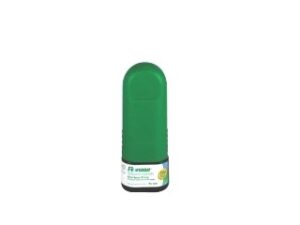
| How it’s used | Nasal spray for intranasal use |
| Common use | Allergic rhinitis and nasal inflammation |
| Where it works | Inside the lining of the nose (local anti-inflammatory action) |
| Typical onset | Often within a few hours, with best effect after several days |
How Rhinocort works (mechanism of action)
Budesonide is a corticosteroid that reduces inflammation in the nasal passages. It works by:
- Suppressing inflammatory chemicals released during allergic reactions and other inflammatory processes.
- Reducing swelling and mucus production in the nose, which can lessen congestion.
- Improving airflow and relieving symptoms such as sneezing, itching, runny nose, and blocked nose.
Unlike some decongestant sprays that mainly provide short-term narrowing of blood vessels, Rhinocort targets the underlying inflammation. This makes it especially useful for longer-term control of rhinitis symptoms.
Pharmacokinetics (how the body handles it)
After spraying Rhinocort into the nose, a portion of the medicine deposits in the nasal tissues while some may run down into the throat and be swallowed. Budesonide is then absorbed to a limited extent.
- Absorption: Most of the effect is local in the nose; systemic absorption is comparatively low.
- Metabolism: If swallowed, budesonide is largely broken down by the liver before it can circulate broadly.
- Excretion: Metabolites are eliminated mainly through the body’s normal waste pathways (including urine).
In general, intranasal budesonide is designed to minimise whole-body steroid exposure. However, the risk of systemic effects can still be influenced by dose, frequency, and individual factors.
What Rhinocort is used for (indications)
Rhinocort is used to relieve symptoms of nasal inflammation including:
- Allergic rhinitis (hay fever), including seasonal and perennial symptoms such as sneezing and nasal itching
- Nasal congestion due to inflammation
- Non-allergic rhinitis and other conditions where a nasal corticosteroid may help (as advised by a clinician)
Some people may also use nasal corticosteroids as part of broader management of chronic nasal symptoms. If your symptoms are severe, persistent, or associated with complications (for example, nosebleeds that don’t settle), discuss with a healthcare professional.
Timing: when to start and how long it takes to work
For best results, use Rhinocort regularly as directed rather than only when symptoms become unbearable.
- Onset of action: Some people notice symptom improvement within hours.
- Best effect: Maximum benefit often takes several days of consistent use.
- Seasonal allergies: If you know when symptoms usually start, starting before the season may improve control.
If you miss a dose, use it when you remember unless it’s close to the next dose. Do not use extra to “catch up” unless your healthcare professional advises.
Food interactions
Because Rhinocort is used in the nose, it has minimal direct food interactions. Any swallowed portion is metabolised in the body. In most cases, you can take Rhinocort without regard to meals.
If you swallow some of the spray (which can happen), you may notice a slightly bitter taste. Drinking water can help. Avoid eating or drinking immediately after a dose if it makes swallowing the medicine more noticeable to you.
Alcohol and medicine interactions
Alcohol
There are no specific, well-established direct interactions between Rhinocort (intranasal budesonide) and alcohol. However, alcohol can potentially worsen symptoms for some people by irritating the nose or worsening sleep and overall health. If you experience increased nasal irritation after alcohol, consider reducing intake and monitor symptom control.
Interactions with other medicines
Budesonide is metabolised by liver enzymes (notably CYP3A4). Medicines that strongly affect these enzymes can change budesonide levels.
Medicines that may increase budesonide exposure
Tell your pharmacist or doctor if you take:
- Azole antifungals (e.g., ketoconazole, itraconazole)
- Some antibiotics (e.g., clarithromycin)
- Other strong CYP3A4 inhibitors
These may increase the chance of systemic steroid effects. Your clinician may adjust your plan or monitor you more closely.
Medicines that may affect steroid safety or overall risk
- Other steroid medicines (tablets, inhalers, creams, or long-term systemic therapy): may increase overall steroid exposure.
- Immunosuppressive treatments: nasal steroid use may be considered carefully if your immune system is affected.
If you’re taking multiple corticosteroids (for example, an inhaled asthma steroid and a nasal steroid), discuss total steroid dosing with a clinician to reduce risk.
Dose and how to use Rhinocort correctly
Dosage depends on age and the condition being treated. Always follow the instructions provided with your product and any advice from your healthcare professional. Below are general dosing patterns commonly used for intranasal budesonide.
Typical dosing (general guidance)
| Group | Typical starting approach | Notes |
|---|---|---|
| Adults | Often 1–2 sprays per nostril daily depending on the product strength and symptoms. | Some patients benefit from starting at a higher dose for symptom control, then stepping down. |
| Adolescents | Usually a lower or age-appropriate regimen based on product strength. | Use only the dosing designed for the patient’s age and product form. |
| Children | Doses are typically lower and should match the labelled product instructions. | Children should be supervised when using the spray to ensure correct technique. |
Because product strengths can differ, check the label for the exact number of micrograms per spray and the correct daily dosing schedule. If you’re unsure, ask a pharmacist to confirm your dose.
Step-by-step: practical use tips
- Gently blow your nose to clear mucus (if needed). This helps the spray reach the nasal lining.
- Shake the bottle if instructed on the label.
- Prime the spray if it’s a new bottle or if it hasn’t been used for a while (follow label instructions).
-
Position the nozzle correctly:
- Keep your head upright.
- Insert the nozzle into one nostril, aiming slightly outward (towards the ear), not straight up or towards the centre of the nose.
- Use a gentle inhale through your nose while pressing the pump to release the spray.
- Repeat in the other nostril if your dose requires it.
- Keep your head upright for a few seconds after spraying to minimise drips into the throat.
- Wipe the nozzle with a clean tissue and replace the cap.
How to manage common side effects
- Dryness or irritation: Ensure correct technique and avoid spraying too aggressively. Saline rinses may help (separate from Rhinocort by about 15–30 minutes, if advised).
- Slight nosebleed: Use the spray more gently, and avoid over-blowing your nose. If nosebleeds are frequent or severe, seek medical advice.
- Sneezing after spraying: This can happen when the spray irritates the nose. Try a gentler inhale and aim slightly outward.
Safety profile: who should be careful
Rhinocort is generally well tolerated when used as directed. Because it’s a corticosteroid, it’s important to be aware of potential risks, especially with higher doses or long-term use.
Common side effects
- Dryness in the nose
- Irritation or burning sensation
- Headache (in some people)
- Nosebleeds (epistaxis), especially if the nasal lining is already irritated
- Sore throat or hoarseness (from medicine running down the throat)
Serious side effects — seek urgent medical advice
Contact a doctor promptly or seek urgent medical care if you experience:
- Severe or persistent nosebleeds
- Signs of a serious allergic reaction (swelling of face/lips, breathing difficulty, widespread rash)
- Unusual infections or worsening health, particularly if you’re on other steroid medicines
- Severe vision changes (rare; discuss if you have eye symptoms)
Important cautions
- Recent nasal injury or surgery: Use may be affected by healing. Ask a healthcare professional if you’ve had nasal surgery or significant trauma.
- Active nasal infections: Infections such as fungal or bacterial infection may need separate treatment.
- Long-term use in children: Clinicians may monitor growth and development with prolonged steroid use, even though nasal steroids usually have lower systemic risk than oral steroids.
- Systemic steroid effects (rare at typical doses): With high doses or strong drug interactions, some systemic effects may occur. Examples can include easier bruising, mood changes, or effects on adrenal function—this is uncommon but important to recognise.
If you are switching from oral or high-dose steroid treatment, or if you have been on steroids for some time, do not stop suddenly without medical guidance.
Practical use tips for better results
- Be consistent: Rhinocort works best when used regularly as directed, not only when symptoms flare.
- Correct technique matters: Poor aim can lead to reduced benefit and more nose irritation.
- Don’t overuse: Using more than directed doesn’t typically improve results and may raise the chance of side effects.
- Manage triggers: For allergic rhinitis, reducing exposure to allergens (such as keeping windows closed during high pollen times) may enhance effect.
- Consider saline: Gentle saline sprays or rinses can soothe and clear mucus, helping the steroid reach the nasal lining.
- Track response: If you keep notes on symptoms before and after starting, you can better judge when treatment is working.
Alternative options
Treatment depends on the cause (allergic vs non-allergic), severity, and patient factors. Options that may be considered include:
Other nasal treatments
- Saline sprays or rinses for gentle symptom relief
- Antihistamine nasal sprays (helpful for runny nose and sneezing)
- Different nasal corticosteroids (another budesonide product or other steroid sprays may be an option if you don’t tolerate Rhinocort)
- Allergen barrier sprays (some patients use these for mild allergic symptoms)
Oral options
- Oral non-drowsy antihistamines for allergy symptoms
- Leukotriene receptor antagonists in selected cases (more relevant to asthma/allergic conditions)
For persistent symptoms, your healthcare professional may suggest a step-up or combined approach, or investigate contributing conditions such as sinus inflammation or nasal polyps.
Market and legal context for Australia
In Australia, access to medicines is regulated through the Therapeutic Goods Administration (TGA) and the Poisons Standard. Rhinocort (budesonide) nasal spray is supplied under Australian regulatory arrangements, with specific wording on the pack label and directions for use as required.
Online pharmacies in Australia may offer medicines according to their classification and local rules. Availability can vary by product type and strength, and orders may be subject to identity and dispensing checks to meet regulatory requirements.
Recent guidance and clinical approach (general)
Management of rhinitis commonly emphasises:
- Using intranasal corticosteroids as a first-line option for moderate to severe nasal symptoms, especially congestion.
- Correct technique to maximise nose deposition and reduce side effects.
- Consistent daily use for symptom control, with dose adjustments based on response.
- Reviewing diagnosis if symptoms don’t respond as expected (for example, assessing for infection, nasal polyps, or medication-related issues).
Guidance may vary between individuals and over time. If your symptoms persist beyond a reasonable trial, discuss with a pharmacist or doctor.
Delivery and availability (online pharmacy)
Rhinocort nasal spray is typically available through Australian pharmacies, including online retailers that comply with local regulations. Delivery timelines vary by provider and location.
- Check stock status: Some strengths or pack sizes may be temporarily unavailable.
- Shipping conditions: Keep the product in a cool, dry place as per the label.
- Packaging: Products should arrive sealed and in good condition.
Before ordering, confirm the exact pack strength and dosage instructions so you receive the formulation that matches your treatment plan.
FAQ about Rhinocort (Budesonide)
1) Is Rhinocort safe to use long-term?
Many people use intranasal corticosteroids for extended periods when symptoms are chronic. When used at the lowest effective dose, the risk of serious side effects is generally low. Regular review with a healthcare professional is recommended, especially for children, people using high doses, or those with long-standing symptoms.
2) How quickly will I feel better?
Some symptom relief may occur within hours, but the full effect often takes several days of daily use. If you’re expecting rapid relief like a decongestant, it may feel different at first—consistency is key.
3) What’s the difference between a nasal steroid spray and an antihistamine?
Nasal steroids (like budesonide) reduce inflammation and are particularly effective for persistent congestion and long-term control. Antihistamines reduce histamine effects and can help with sneezing and itching. Some people use a combination approach depending on severity.
4) Will Rhinocort cause drowsiness?
Rhinocort is unlikely to cause drowsiness because it acts locally in the nose. If you feel unwell after using it, consider checking for other causes (such as the underlying allergy itself).
5) Can I use Rhinocort with other cold or allergy medicines?
Many allergy medicines can be used together, but it’s best to confirm with a pharmacist—especially if you’re using other steroid products or medicines that may interact with steroid metabolism. Avoid doubling up on corticosteroids without advice.
6) Can children use Rhinocort?
Intranasal budesonide products may be used in children, depending on age and the specific product’s labelled dosing. Use only the correct formulation and dosing instructions, and consider periodic review with a healthcare professional for long-term use.
7) How should I store Rhinocort?
Store at room temperature in a cool, dry place away from direct sunlight. Keep the cap on and follow the pack instructions for priming, cleaning, and expiry.
8) What if I get nosebleeds?
Mild nosebleeds can occur. Aim the nozzle gently, avoid aggressive blowing, and consider using a saline moisturiser. Seek medical advice if nosebleeds are frequent, heavy, or don’t settle.
9) Can I stop Rhinocort when my symptoms improve?
Some people stop when symptoms resolve, especially for seasonal allergies, while others benefit from planned continued use. Stopping can be followed by symptom return if inflammation persists. Use your clinician’s plan or discuss a step-down approach.
10) Is it okay if the spray tastes bitter or runs down my throat?
This can happen if part of the dose drips posteriorly. Keeping your head upright briefly and aiming slightly outward can help. If throat symptoms become bothersome, ask a pharmacist to review technique.
Need help choosing or using Rhinocort? If you have asthma, sinus disease, recurring nosebleeds, or you’re taking other medicines, speak with a pharmacist. Correct technique and the right dosing schedule make a big difference to results.