

Cipro (Ciprofloxacin) — Patient Information (Australia)
Cipro is the brand name for ciprofloxacin, an antibiotic medicine belonging to the fluoroquinolone group. It is used to treat a range of bacterial infections. This page explains how Cipro works, how it is used, what to expect, and important safety information for people in Australia.
Important: Antibiotics treat infections caused by bacteria. They do not treat viral infections (such as colds and flu). If symptoms are severe, worsening, or you are concerned, seek medical advice promptly.
Basic product information
| Category | Details |
|---|---|
| Medicine | Cipro (ciprofloxacin) |
| Medicine type | Antibiotic (fluoroquinolone) |
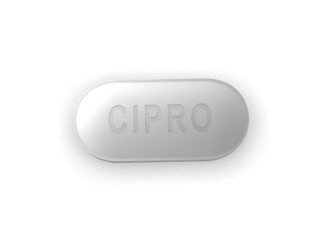
| Common forms | Tablets (oral); other formulations may be available depending on local supply |
| Who it’s for | Adults and selected paediatric patients for specific infections (age depends on the indication) |
| How it’s taken | By mouth, typically twice daily or as directed |
How Cipro works (mechanism of action)
Ciprofloxacin kills susceptible bacteria by interfering with two key bacterial enzymes:
- DNA gyrase (topoisomerase II)
- Topoisomerase IV
These enzymes are essential for bacterial DNA replication and repair. By blocking them, ciprofloxacin prevents bacteria from multiplying and leads to bacterial death. This is why Cipro can be effective when the infection is caused by susceptible organisms.
Pharmacokinetics (how the body handles Cipro)
Understanding pharmacokinetics can help explain dosing intervals and why some interactions occur.
- Absorption: Ciprofloxacin is absorbed after oral dosing. Absorption can be reduced by certain minerals (such as iron, zinc, magnesium) and some antacids.
- Distribution: It can distribute into many tissues and fluids where infections may occur.
- Metabolism: Some ciprofloxacin is metabolised in the body, but a significant portion remains active.
- Elimination: Primarily via the kidneys (urine). Dose adjustments may be needed for people with reduced kidney function.
- Half-life: The elimination half-life is typically several hours, supporting commonly used twice-daily dosing for many indications.
What Cipro is used for (typical use & indications)
Cipro is used for infections where fluoroquinolones are appropriate based on likely bacteria, severity, and local resistance patterns. It is not used for every infection.
Common indications include:
- Urinary tract infections (UTIs) including complicated UTIs and some cases of pyelonephritis (kidney infection)
- Prostatitis (inflammation/infection of the prostate) due to susceptible organisms
- Respiratory tract infections in specific circumstances (based on assessment and susceptibility)
- Skin and soft tissue infections caused by susceptible bacteria
- Bone and joint infections (selected cases, depending on organism and clinical plan)
- Some gastrointestinal infections (when caused by susceptible bacteria and deemed appropriate)
- Other specialist indications for specific populations when benefits outweigh risks
Note: Choice of antibiotic depends on the infection type, suspected or confirmed bacteria, your medical history, allergies, kidney function, and current medicines.
Timing and how to take Cipro
Taking antibiotics at the right times improves the chance of success and helps reduce the risk of resistance.
- Follow your dosing schedule: Take Cipro exactly as directed.
- Try to space doses evenly: For example, if twice daily dosing is recommended, aim for roughly 12 hours apart.
- Complete the course: Even if you feel better, finish the prescribed course to help prevent relapse.
- Missed dose: Take it as soon as you remember unless it’s close to the next dose. Do not take a double dose.
How to remember: Use alarms on your phone or link doses to daily routines (e.g., breakfast and dinner times), unless told otherwise.
Food interactions (what to eat and drink)
Food can affect how much ciprofloxacin is absorbed, so it’s helpful to know practical guidance.
- Food generally is not a major problem: Ciprofloxacin can usually be taken with or without food.
- However, absorption may be altered: While many people take it with food to reduce stomach upset, some foods may slightly change absorption.
- Dairy and minerals: Milk and yoghurt contain calcium. Calcium can reduce absorption somewhat if taken close together. Many people are advised to separate ciprofloxacin from high-calcium supplements and large dairy intakes.
Practical tip: If your pharmacist advises separating doses from dairy, consider taking Cipro at least a few hours away from large dairy meals. When in doubt, follow the instructions given by your healthcare professional or label directions.
Alcohol interactions and safety
There is not usually a direct “dangerous” interaction between ciprofloxacin and alcohol in the way some medicines do. However, alcohol can still be unwise during an infection and antibiotic course because it may:
- Worsen dehydration and illness-related symptoms
- Increase dizziness or drowsiness in some people
- Make it harder to maintain regular dosing and hydration
- Increase strain on the body during recovery
Recommendation: It is best to avoid or minimise alcohol while you are ill and taking antibiotics. If you choose to drink, keep it small, avoid binge drinking, stay hydrated, and stop if you feel unwell.
Medicine interactions (important)
Cipro can interact with several types of medicines. Always tell a healthcare professional or pharmacist about all medicines you take, including herbal products and supplements.
Key interaction groups
-
Antacids and supplements containing minerals (e.g., aluminium, magnesium, iron, zinc):
- These can bind ciprofloxacin in the gut and reduce absorption.
- They are usually separated from ciprofloxacin by a number of hours (exact timing depends on the product).
-
Theophylline:
- Ciprofloxacin can increase the effects/toxicity of theophylline.
-
Warfarin and other blood thinners:
- May increase bleeding risk by affecting clotting parameters.
- Extra monitoring may be required.
-
Drugs affecting heart rhythm (QT prolongation):
- Some medicines that affect heart rhythm may increase risk when combined.
-
Corticosteroids:
- In combination, there may be an increased risk of tendon problems.
-
Seizure-threshold–lowering medicines:
- Ciprofloxacin may increase seizure risk in susceptible individuals.
-
Kidney function–affecting medicines:
- Because ciprofloxacin is cleared by the kidneys, dosing may need adjustment in kidney impairment.
Contraception note
Most antibiotics do not reliably reduce hormonal contraceptive effectiveness, but individual situations can vary. If you experience unusual bleeding or have concerns, seek advice. Additional protection may be recommended in certain cases.
Typical dosing (overview)
Dosing depends on the infection type, severity, kidney function, and sometimes local susceptibility patterns. The information below is a general guide only.
Common adult dosing patterns may include:
- UTIs (including complicated cases): Often a course given twice daily
- Prostatitis: Often a longer course, commonly twice daily
- Some gastrointestinal or respiratory infections: Regimens vary by indication
Kidney impairment: People with reduced kidney function may require a lower dose or different dosing interval. This is important for safety and effectiveness.
Paediatric use: Ciprofloxacin may be used for selected paediatric indications under specialist guidance, with dosing based on weight and clinical factors.
Always follow the dose on your medicine label or instructions provided by your healthcare professional.
Safety profile (what to watch for)
Cipro is generally well tolerated by many people, but it can cause side effects. Some reactions are uncommon but serious, so knowing what to monitor is important.
Common side effects
- Nausea, stomach discomfort
- Diarrhoea
- Headache
- Dizziness
- Changes in taste
Serious or urgent side effects — seek medical help promptly
- Severe allergic reaction (e.g., swelling of face/lips, difficulty breathing, rash with hives)
- Severe or persistent diarrhoea (especially watery or bloody), fever, or abdominal pain
- Tendon pain or swelling, especially Achilles tendon pain; stop and seek advice if you experience pain or inflammation
- Nerve symptoms such as burning, tingling, numbness, or weakness
- Central nervous system symptoms including seizures, severe agitation, confusion, or hallucinations
- Heart rhythm symptoms such as fainting or palpitations (particularly if you have risk factors)
- Worsening mood or suicidal thoughts (seek help urgently)
Tip: If you develop symptoms that feel serious or unusual, stop taking the medicine and seek medical advice urgently (unless emergency services are needed).
Practical use tips for best results
- Hydrate: Drink water regularly during the course unless you’ve been told to restrict fluids.
- Take with a consistent routine: The more regular your timing, the better you keep appropriate antibiotic levels.
- Avoid missed doses: Set reminders and plan ahead for work or travel.
- Separate interacting supplements: If you take iron, magnesium, zinc, or antacids, ask your pharmacist for timing guidance.
- Do not use to “cover” viral illness: This helps prevent side effects and antibiotic resistance.
- Don’t double up if you miss a dose: Continue your next scheduled dose.
- Report kidney issues: Tell your healthcare professional if you have kidney disease, reduced urine output, or are at risk of dehydration.
Alternative options (discuss with a clinician)
Depending on the infection and suspected bacteria, alternative antibiotics may include medicines from other groups. Selection depends on local resistance, allergies, and your specific health factors.
Common alternative classes may include:
- Nitrofurantoin (often for uncomplicated lower UTIs in appropriate patients)
- Trimethoprim-sulfamethoxazole (where appropriate and susceptible organisms are likely)
- Amoxicillin/clavulanate or other penicillins/cephalosporins (depending on infection)
- Macrolides (for selected respiratory infections)
- Other fluoroquinolones or antibiotic options may be considered in certain cases
Why alternatives matter: The best antibiotic is the one that matches the infection type and the likely bacteria, while balancing risks. Resistance patterns and your medical history are important.
Australia market and legal context (overview)
In Australia, antibiotic supply is regulated to support safe and effective use and to reduce antibiotic resistance. Availability and supply processes may vary between pharmacies and supply channels. For online pharmacy services, medicines may only be supplied when permitted and when requirements are met.
Australia’s antibiotic stewardship goals focus on:
- Ensuring antibiotics are used only when likely to benefit the patient
- Choosing the narrowest effective option where possible
- Reducing unnecessary exposure to side effects
- Monitoring resistance patterns
If you are unsure whether Cipro is appropriate for your condition, speak with a qualified healthcare professional or pharmacist.
Recent guidance and stewardship updates (general themes)
In recent years, health authorities worldwide—including in Australia—have emphasised careful use of fluoroquinolone antibiotics due to potential serious side effects and the importance of reserving them for situations where benefits outweigh risks.
Common stewardship themes include:
- Using fluoroquinolones when clearly indicated
- Avoiding unnecessary or low-benefit prescribing
- Checking for drug interactions and patient risk factors
- Encouraging clinicians to consider local resistance patterns
For patients: Always follow the dosing instructions provided and don’t share antibiotics with others.
Delivery and availability (online pharmacy)
Availability can depend on stock levels and local prescribing/supply requirements. If Cipro is available through an online pharmacy service, delivery options typically include standard and express shipping (depending on location and operational arrangements).
- Packaging: Medicines are usually dispatched in protective packaging to maintain product integrity.
- Delivery timeframes: Vary by destination and courier service.
- Cold chain: Ciprofloxacin tablets generally do not require refrigeration.
- Tracking: Many services provide tracking once dispatched.
Storage: Store tablets at room temperature in a dry place away from direct sunlight, and keep them out of reach of children. Follow the instructions on the pack.
Frequently asked questions (FAQ)
1) How quickly should I feel better after starting Cipro?
Many people notice some improvement within 24–48 hours, depending on the infection. If you do not improve after a couple of days, or if symptoms worsen, contact a healthcare professional for reassessment.
2) Can I take Cipro with food?
Often yes. If stomach upset occurs, taking it with food may help. Try to keep your routine consistent. If you’re advised to separate from dairy or minerals, follow that guidance.
3) What should I avoid while taking Cipro?
Avoid taking Cipro close to antacids or supplements containing iron, zinc, magnesium, unless advised otherwise. Limit alcohol while you are ill. Also avoid intense exercise if you notice tendon pain.
4) Is it safe to drive or operate machinery?
Some people experience dizziness or headache. Until you know how Cipro affects you, be cautious when driving or operating machinery.
5) What if I miss a dose?
Take it as soon as you remember, unless it’s close to the next dose. Do not take two doses at once. If unsure, ask your pharmacist.
6) Can Cipro cause tendon problems?
Yes, tendon-related side effects can occur (rarely but seriously). If you develop tendon pain, swelling, or difficulty using a joint, seek medical advice promptly and stop exercising the affected area.
7) Can Cipro cause diarrhoea?
Diarrhoea can occur. Mild diarrhoea may settle. However, severe diarrhoea, especially if watery or bloody or associated with fever and abdominal pain, requires urgent medical assessment.
8) Are there people who should take extra care?
Extra caution may be needed for people with kidney disease, a history of tendon disorders, seizure disorders, heart rhythm risk factors, or those taking interacting medicines. Tell your pharmacist about your full medication list.
9) Does Cipro interact with vitamins or supplements?
Mineral supplements (iron, magnesium, zinc) can reduce absorption. Separate dosing may be recommended. Herbal products and other supplements can also interact, so review everything you take.
10) What are the warning signs that mean I should seek help urgently?
Seek urgent help for signs of severe allergy, severe diarrhoea, tendon pain/swelling, nerve symptoms (tingling/numbness), seizures/confusion, or fainting/palpitations.
Key takeaways
- Cipro (ciprofloxacin) is a fluoroquinolone antibiotic used for selected bacterial infections.
- It works by blocking bacterial DNA replication enzymes.
- It is absorbed and cleared largely through the kidneys, so kidney function and interactions matter.
- Food is usually manageable, but mineral-containing products and antacids can affect absorption.
- Stop and seek medical advice urgently for serious symptoms such as severe diarrhoea, allergic reactions, tendon pain, or nerve symptoms.
- Follow the full course and dosing schedule for the best outcome.