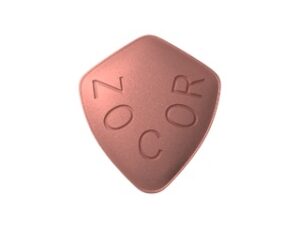
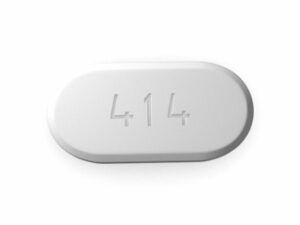
Crestor (Rosuvastatin) — Patient-Friendly Guide (Australia)
Crestor contains rosuvastatin, a medicine used to help lower “bad” cholesterol (LDL) and reduce the risk of cardiovascular problems such as heart attack and stroke. If you’ve been advised to take Crestor, this guide explains what it does, how to use it safely, what to expect, and what to discuss with your healthcare professional—tailored for people in Australia.
This information is designed to be patient-friendly and practical. It does not replace personalised medical advice. If you have any concerns or develop symptoms, seek medical advice promptly.
Basic product information
| Feature | Details |
|---|---|
| Brand name | Crestor |
| Active ingredient | Rosuvastatin |
| Medicine type | Statin (cholesterol-lowering medicine) |
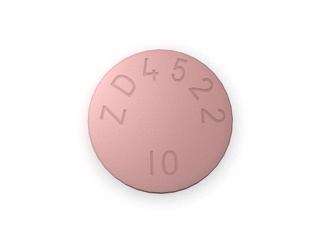
| Common dose strengths | Often available in tablets such as 5 mg, 10 mg, 20 mg, and 40 mg (availability may vary) |
| How it works | Helps the liver make less cholesterol and increases clearance of LDL from blood |
| Typical use | Long-term prevention and management of cholesterol-related cardiovascular risk |
How Crestor works (mechanism of action)
Rosuvastatin belongs to a group of medicines called statins. These medicines primarily reduce cholesterol production in the liver and increase the liver’s ability to remove LDL (“bad cholesterol”) from the bloodstream.
More specifically, rosuvastatin works by inhibiting an enzyme called HMG-CoA reductase (the key “rate-limiting” step in cholesterol synthesis). As a result:
- LDL cholesterol decreases (often the main target).
- Total cholesterol decreases.
- Triglycerides may decrease in many people.
- HDL (“good cholesterol”) may increase modestly.
- Statins also help stabilise blood vessel lining and reduce inflammatory processes that contribute to cardiovascular disease.
Lowering LDL cholesterol helps reduce the risk of heart attack, stroke, and other cardiovascular events, especially in people at higher risk.
Pharmacokinetics (how the medicine moves through the body)
Pharmacokinetics describes absorption, distribution, metabolism, and elimination. Understanding these can help explain dose timing and interactions.
Absorption
After taking a tablet, rosuvastatin is absorbed from the gastrointestinal tract. Peak blood levels are typically reached a few hours after dosing. Overall exposure increases with dose.
Distribution
Rosuvastatin is highly taken up by the liver, which is important because the liver plays the main role in cholesterol management.
Metabolism
Rosuvastatin is metabolised to some extent by liver enzymes, including CYP2C9 and to a lesser extent CYP2C19. It is not extensively metabolised by the major CYP3A4 pathway compared with some other statins.
Elimination
The medicine is removed from the body via both bile/faecal routes and urinary routes. The effect of rosuvastatin continues beyond peak levels due to its ability to inhibit cholesterol production in the liver.
Special populations (age, kidney, liver)
- Kidney impairment: People with reduced kidney function may be more susceptible to side effects and often require dose adjustments or closer monitoring.
- Liver impairment: Your clinician may avoid or use caution with certain liver conditions and will check liver function tests when appropriate.
- Older adults: Many can use rosuvastatin, but the decision about dose may take into account overall health and interacting medicines.
- Genetic variation: Some genetic factors can influence rosuvastatin exposure; clinicians may consider this if there is increased risk of side effects.
Typical uses in Australia
Crestor is used to lower cholesterol and manage cardiovascular risk in a range of situations, such as:
- Primary prevention for people at risk of cardiovascular disease (for example, due to high cholesterol and other risk factors).
- Secondary prevention after cardiovascular events such as heart attack or stroke.
- Familial hypercholesterolaemia (inherited high cholesterol), including in some children and adolescents depending on local product indications and clinical assessment.
- To reduce LDL cholesterol to a target set by your clinician.
Crestor is commonly used alongside lifestyle measures such as healthy eating, regular physical activity, stopping smoking, and weight management (if appropriate).
When to take Crestor (timing)
Rosuvastatin can usually be taken at any time of day. Many people find it easiest to take it at a consistent time.
- With or without food: Food does not generally require special timing adjustments for rosuvastatin.
- Consistency matters: Take it the same time each day to help you remember.
- Missed dose: If you miss a dose, take it when you remember on the same day. If it is close to the next dose, skip the missed dose and continue your schedule. Do not take two doses at once.
Your prescriber/pharmacist may provide individual instructions depending on your dose and risk profile.
Food interactions
Unlike some statins, rosuvastatin does not have a major known interaction with most foods. In practical terms:
- Generally no special dietary timing is required.
- Grapefruit: Grapefruit is more relevant to certain other statins (like simvastatin). For rosuvastatin, grapefruit interactions are usually not a key concern, but it’s still wise to discuss with your pharmacist if you regularly consume large amounts of grapefruit juice.
Regardless of food timing, it’s important to follow any cholesterol-related dietary advice you’ve been given. A heart-healthy diet can improve cholesterol results and overall cardiovascular risk.
Alcohol and medicine interactions
Alcohol
Moderate alcohol intake may be acceptable for some people, but alcohol can increase strain on the liver. Because rosuvastatin is processed by the liver, it’s sensible to:
- Limit alcohol if you have liver disease or abnormal liver test results.
- Seek advice if you drink heavily or frequently.
If you experience symptoms such as unusual fatigue, yellowing of the skin/eyes, dark urine, or severe abdominal pain, contact a healthcare professional urgently.
Medicine interactions (important)
Some medicines can increase rosuvastatin levels or raise the risk of muscle-related side effects (myopathy/rhabdomyolysis). Others may affect how cholesterol medicines work.
Always tell your pharmacist or clinician about all medicines and supplements you take, including:
- Prescription medicines
- Over-the-counter products
- Herbal supplements (for example, some products used for “cholesterol,” “energy,” or weight loss)
Common interaction themes
- Transporter and enzyme inhibitors: Certain medicines can increase rosuvastatin exposure.
- Other lipid-lowering medicines: Combining treatments may increase muscle side effect risk in some settings.
- Anticoagulants (blood thinners): Warfarin (and other anticoagulants) may require closer monitoring for clotting control depending on the overall regimen.
Examples of medicines that may be relevant
The list below is not exhaustive, but it highlights categories commonly discussed with rosuvastatin:
- Some antiviral medicines (used for HIV or hepatitis) may affect rosuvastatin levels.
- Certain antibiotics or antifungals can increase exposure.
- Immunosuppressants (for example, used after transplant) may raise risk.
- Gemfibrozil or some other fibrates: may increase muscle-related side effects.
- High-dose niacin: may increase risk when combined in some circumstances.
- Cholestyramine/colestipol (bile acid sequestrants): may interfere with absorption—timing separation may be advised.
- Cyclosporin: can markedly increase statin exposure and requires specialist guidance.
If you start a new medication, ask whether it affects Crestor. Do not stop Crestor without advice; adjusting timing or dose may be safer than stopping.
Indications (who should take Crestor)
Indications can vary with local product approvals and clinical guidelines. In Australia, rosuvastatin is generally used for:
- Hypercholesterolaemia (raised cholesterol) and mixed dyslipidaemia
- Reducing LDL cholesterol to targets in people at risk
- Familial hypercholesterolaemia in appropriate patients
- Prevention of cardiovascular events in those with established cardiovascular disease or increased risk
Your clinician may choose a dose based on your cholesterol levels, age, kidney function, other medical conditions, and the presence of interacting medicines.
Dosing (general information)
Doses are individualised. The dose selected depends on how much LDL reduction is required and your risk of side effects.
Starting dose and adjustments
- Many adults start on a lower dose and increase if needed.
- Clinicians may check lipid levels about a few weeks after starting or changing the dose and then adjust based on response.
- Doses may be limited in people with higher risk (for example, certain kidney impairment, older age, or interaction risk).
Typical maximum dose considerations
The maximum dose may differ depending on patient factors. It is important not to exceed the dose recommended for you.
Paediatric dosing (if applicable)
Rosuvastatin is sometimes used in children/adolescents for inherited high cholesterol where appropriate. Dosing and monitoring must be handled carefully by a specialist team and should follow local approved guidance and clinical protocols.
Practical dosing tips
- Take it daily unless you are told otherwise.
- If you forget, do not double up.
- Keep taking it even if you feel well—cholesterol management is preventative.
Safety profile (what to watch for)
Like all medicines, Crestor can cause side effects. Many people tolerate rosuvastatin well, but it’s important to know what to look for and when to seek help.
Common or expected effects
- Mild muscle aches or occasional discomfort can occur, especially after starting or increasing dose.
- Headache or mild gastrointestinal upset may happen in some people.
Serious side effects (seek prompt medical advice)
Contact a healthcare professional urgently if you develop:
- Unexplained muscle pain, tenderness, or weakness, particularly if accompanied by fever or feeling very unwell.
- Dark or tea-coloured urine (possible muscle breakdown).
- Yellowing of the skin/eyes, severe fatigue, unusual bruising, or persistent nausea (possible liver issues).
- Allergic reaction symptoms such as swelling of the face/lips or difficulty breathing.
Why monitoring matters
- Liver function tests may be performed before starting and/or if symptoms occur or as recommended by your clinician.
- Cholesterol levels are monitored to check effectiveness.
- Kidney function may be checked, particularly in people at risk of reduced renal function.
Risk factors for muscle symptoms
Risk can increase with higher doses and certain circumstances. Tell your clinician if you have any of the following:
- Personal or family history of muscle disorders
- Kidney impairment
- Hypothyroidism (underactive thyroid) that isn’t controlled
- Heavy alcohol use
- Significant drug interactions
- Recent serious illness or surgery
Practical use tips (getting the best results)
- Adopt a cholesterol-supportive lifestyle: aim for a diet rich in vegetables, legumes, whole grains, and unsaturated fats (such as olive oil, nuts, and fish), and reduce saturated fats where possible.
- Be consistent with the daily dose: cholesterol lowering requires ongoing treatment.
- Know your baseline: keep track of cholesterol results and your target if your clinician provided one.
- Track side effects: note the timing (e.g., after a dose increase), severity, and which medicines/supplements you started around the same time.
- Discuss muscle symptoms early: don’t wait. Many muscle symptoms are manageable by adjusting dose, checking thyroid/kidney function, and reviewing interactions.
- Avoid unnecessary supplements: some products can affect liver function or interact with medicines. If in doubt, ask your pharmacist.
- Keep vaccination and general health on track: overall cardiovascular risk reduction includes blood pressure control, smoking cessation, diabetes management, and exercise.
Alternative options to Crestor
Depending on your cholesterol goals, medical history, and side effect risk, clinicians may consider alternatives. Options may include:
Other statins
- Atorvastatin, simvastatin, pravastatin, fluvastatin
Non-statin cholesterol-lowering medicines
- Ezetimibe (reduces cholesterol absorption in the intestine)
- Bempedoic acid (in certain situations)
- PCSK9 inhibitors (in specific high-risk patients)
- Inclisiran (where available and appropriate)
- Fibrates (more targeted to triglycerides in some cases)
Lifestyle approaches
- Dietary modification (Mediterranean-style eating patterns often help)
- Regular aerobic and resistance exercise
- Weight management
- Reducing refined carbs and improving overall cardiometabolic health
The “best” alternative depends on your diagnosis, LDL level, cardiovascular risk, and how you tolerate statins.
Market and legal context for Australia (availability and prescribing pathways)
In Australia, medicines like Crestor are supplied through pharmacy channels and are regulated under Australian medicines law. Statins are commonly used in long-term cardiovascular prevention and lipid management as part of guideline-based care.
Product availability can vary by strength and formulation. If you’re ordering online, ensure the medicine matches what your clinician has recommended (strength and form), and always review packaging and expiry details on delivery.
In Australia, many medicines are classified with supply conditions. Your pharmacy team can explain the ordering process, required documentation (if applicable), and how to safely receive and store your medication.
Note: This page describes general use and safety information. Your healthcare team is best placed to advise on your specific treatment plan.
Recent guidance and clinical updates (high-level)
Australian cardiovascular prevention commonly follows evidence-based recommendations from national and international bodies. Over recent years, guidance has reinforced:
- Early risk assessment and appropriate statin use for people at moderate to high cardiovascular risk.
- Use of lipid targets (or treatment intensity goals) based on baseline risk and LDL reduction achieved.
- Monitoring for safety (especially muscle symptoms and liver enzyme concerns when clinically indicated).
- Review of interacting medicines and individual risk factors before starting higher-intensity therapy.
Because guidance can evolve and your personal risk factors matter, it’s helpful to have regular review appointments and lipid checks as advised by your clinician.
Delivery and availability (online pharmacy expectations in Australia)
Many online pharmacies in Australia provide delivery to eligible locations. Availability may depend on:
- Strength and pack size
- Stock on hand
- Local supply arrangements
- Current distribution schedules
When your parcel arrives:
- Check the label for the correct medicine name and strength.
- Check expiry date.
- Store as directed (often at room temperature, away from moisture and direct heat).
If your order is delayed or unavailable, contact the pharmacy support team to discuss alternatives (such as a different pack size) where appropriate.
FAQ — Crestor (Rosuvastatin)
1) What is Crestor used for?
Crestor (rosuvastatin) is used to lower LDL cholesterol and manage lipid-related cardiovascular risk. It may be used for both prevention in people at risk and prevention after cardiovascular events, depending on your clinical situation.
2) How long does it take to work?
Cholesterol changes typically begin within days, but meaningful adjustments are usually assessed with blood tests after starting or changing dose (often within a few weeks). Your clinician will tell you when to recheck your levels.
3) Can I take Crestor with food?
Yes. Rosuvastatin can generally be taken with or without food. Many people simply choose a time that suits their routine.
4) What if I miss a dose?
Take it when you remember on the same day. If it’s close to your next scheduled dose, skip the missed dose and continue as usual. Do not take a double dose.
5) Are there foods I should avoid?
There are usually no strict food restrictions with rosuvastatin. However, maintaining a heart-healthy diet is important. If you consume large amounts of grapefruit or have a complex diet, discuss with your pharmacist for personalised advice.
6) Is alcohol safe while taking Crestor?
Moderate intake may be acceptable for many people, but heavy or frequent alcohol use can increase liver risk. If you have liver issues or drink heavily, ask your clinician for advice.
7) What medicines commonly interact with rosuvastatin?
Some medicines can raise rosuvastatin levels and increase the risk of muscle-related side effects. This includes certain antivirals, antifungals, some antibiotics, immunosuppressants, fibrates, and other lipid-lowering agents. Always check with your pharmacist when starting or stopping any medicine or supplement.
8) What side effects should worry me?
Seek prompt medical advice if you develop unexplained muscle pain/weakness (especially with fever or dark urine), yellowing of the skin/eyes, severe fatigue, or symptoms of an allergic reaction.
9) Will Crestor cause weight gain?
Weight gain is not a typical direct effect of rosuvastatin. If your weight changes, consider diet, activity, other medications, and overall health. Discuss concerns with your clinician.
10) Should I stop Crestor if I feel better?
Cholesterol management is usually long-term. Feeling better doesn’t mean cholesterol risk is gone. Don’t stop Crestor unless your clinician advises—stopping suddenly can increase cholesterol levels and may reduce the preventative benefit.
11) Can I exercise while on Crestor?
Yes—exercise is encouraged. If you experience muscle symptoms that feel unusual or severe, stop exercising that muscle group and seek medical advice.
12) Are there alternatives if I can’t tolerate Crestor?
Options may include adjusting the dose, switching to another statin, using an add-on medicine (such as ezetimibe), or using non-statin lipid-lowering therapies in selected patients. Your clinician can tailor the plan to your needs.
Storage and handling (quick tips)
- Store at room temperature, away from excess heat and moisture.
- Keep tablets in their original packaging until use.
- Keep out of reach of children.
- Check the expiry date before use.
Summary
Crestor (rosuvastatin) is a widely used statin medicine in Australia to lower LDL cholesterol and reduce cardiovascular risk. It works by decreasing cholesterol production in the liver and improving the liver’s ability to remove LDL from the blood. Most people take it once daily at a convenient time, with or without food. As with all medicines, it can cause side effects—especially muscle symptoms in some individuals—so it’s important to monitor how you feel and discuss any concerns early with a healthcare professional.