
Nizoral (Ketoconazole) — Patient Information (Australia)
Nizoral contains ketoconazole, an antifungal medicine used to treat certain fungal infections affecting the skin and, in some forms, the body. This guide explains how ketoconazole works, when it’s typically used, how to take it, what to expect, and important safety information relevant to patients in Australia.
Always follow the instructions supplied with your product and consult a healthcare professional if you have questions—especially if you are pregnant, breastfeeding, have liver disease, or take other medicines.
Key product information
- Active ingredient: Ketoconazole
- Brand name: Nizoral
- Common forms: Oral tablets and topical formulations (e.g., creams/shampoos, depending on product availability)
- Uses: Treatment of specific fungal infections (the exact indication depends on the form and strength)
- ATC (general): Antifungals (imidazole derivatives)
- Country context: Available in Australia through regulated supply channels
Note: Availability of Nizoral products and strengths can vary. Your online pharmacy listing may describe the specific formulation you’re buying (topical vs oral). Always check the label for the exact product type.
How ketoconazole works (mechanism of action)
Ketoconazole belongs to the azoles (imidazole-class) antifungals. It works by interfering with fungal cell production of certain essential substances (ergosterol).
Specifically, ketoconazole inhibits fungal enzymes involved in ergosterol synthesis, which weakens the fungal cell membrane. This can stop the fungus from growing and, depending on the infection and drug concentration, may help clear the infection.
- Fungal target: Ergosterol (key component of fungal cell membranes)
- Result: Impaired fungal growth and survival
- Not for: Most bacterial infections and not for viral infections
Pharmacokinetics (how the body handles ketoconazole)
“Pharmacokinetics” describes how ketoconazole is absorbed, distributed, metabolised, and eliminated. The details differ between oral and topical products.
Oral ketoconazole (general principles)
- Absorption: Oral ketoconazole absorption can be reduced when stomach acid is low. Some medicines and food patterns that alter stomach acidity may affect absorption.
- Metabolism: Ketoconazole is mainly processed by the liver (via drug-metabolising enzymes). This is important for understanding drug interactions and liver safety.
- Elimination: Metabolites are eliminated primarily through the liver and bile pathways, and to a lesser extent through the kidneys.
Topical ketoconazole (general principles)
- Absorption: Topical ketoconazole generally has low systemic absorption when used as directed, but absorption can increase with larger areas, prolonged use, or broken skin.
- Action: Works primarily at the site of the skin or scalp to reduce fungal growth.
Typical use: what Nizoral is commonly used for
The appropriate use depends on the product form. In Australia, ketoconazole products are commonly used for:
Topical uses (common examples)
- Fungal skin infections caused by susceptible organisms
- Scalp fungal conditions, such as seborrhoeic dermatitis (depending on product type)
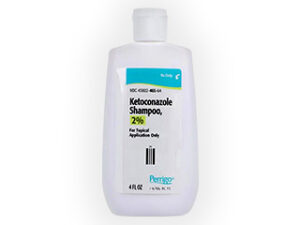
- Dandruff (for medicated shampoo formulations)
Oral uses (general examples)
Oral ketoconazole has historically been used for certain systemic fungal infections. However, suitability depends on the infection type, severity, and individual patient factors, including liver risk and drug interactions.
- Systemic fungal infections where ketoconazole is considered appropriate
- In some cases, infections involving specific fungi where other treatments may not be suitable
Important: Indications can vary by product and strength. If you’re unsure whether ketoconazole is meant for your specific condition, check with a pharmacist or doctor.
How to take / apply: timing and duration
Follow the instructions on the product packaging. Timing matters most for oral ketoconazole because absorption depends on stomach acid and interactions.
Oral timing tips (if using tablets)
- Take with food: Oral ketoconazole is generally advised to be taken with food to support absorption (follow your label).
- Consistency: Take doses at roughly the same times each day.
- Complete the course: Even if symptoms improve, continue for the full duration unless advised to stop.
Topical timing tips (if using cream/shampoo)
- Skin creams: Apply to clean, dry skin in a thin layer as directed.
- Shampoos: Lather and leave on for a specified period (often several minutes) before rinsing, then follow the recommended frequency (e.g., daily or a few times weekly depending on the product).
- Keep using: Continue treatment for the recommended period to reduce relapse.
Food interactions
Food can affect how much ketoconazole your body absorbs—particularly for oral products.
What to know for oral ketoconazole
- Take with food as directed: This can improve absorption.
- Avoid reducing stomach acidity: Some medicines can lower stomach acid; this can significantly reduce ketoconazole absorption.
If your product label instructs you to take ketoconazole with meals, try not to skip meals when taking it. If you have digestive conditions or use acid-reducing therapy, ask a pharmacist for guidance.
Alcohol interactions
Alcohol can affect the liver and may increase the risk of side effects when taking medicines that are processed by the liver. While there is not always a strict “never” rule for alcohol with ketoconazole, caution is strongly advised—especially for oral ketoconazole.
- General advice: Limit alcohol and avoid heavy drinking.
- Stop and seek medical advice if you develop signs of liver problems (see Safety section).
- Topical products: Systemic alcohol effects are usually less of a concern because less medicine is absorbed, but follow the label for your specific product.
Medicine interactions (very important)
Ketoconazole is known for drug–drug interactions. This is partly because it can affect liver enzymes and because some medicines reduce ketoconazole absorption.
Common interaction categories to discuss with a pharmacist
- Medicines that reduce stomach acid (e.g., some antacids, proton pump inhibitors, H2 blockers) — may lower oral ketoconazole absorption.
- Strong liver enzyme–affecting medicines — may reduce ketoconazole levels or increase risk of toxicity.
- Medicines that affect heart rhythm — combined effects may increase risk of rhythm disturbances.
- Anticoagulants and other high-risk medicines — interactions can alter bleeding risk or drug levels.
What to do
- Tell your pharmacist about all medicines you take, including vitamins, herbal products, and supplements.
- Keep a list of medicines to show during consultations.
- Do not start or stop medicines (especially acid-reducers, antidepressants, seizure medicines, or heart medications) without checking.
If you’re using oral ketoconazole, the interaction risk is higher than with topical products. Always confirm compatibility for your exact formulation.
Dosing: what patients commonly need to know
Dosing depends on the infection type, severity, and which formulation you have. Always use the dose on the package instructions for your product and follow any instructions from your healthcare professional.
General dosing principles
- Follow label instructions exactly.
- Do not double a dose if you miss one—check what the label says for missed doses.
- Course completion helps prevent relapse and resistance.
Typical use schedules (examples, not personal instructions)
Reminder: The schedule below illustrates how products are often used. Your exact dose/frequency may differ.
| Product form | When it’s commonly used | Typical timing | Duration (general) |
|---|---|---|---|
| Oral tablets | Selected fungal infections | Often taken with food; once or twice daily depending on strength and indication | Varies widely by infection; usually a fixed course |
| Topical cream | Skin fungal infections | Usually once or twice daily (thin layer) based on product | Often 2–4 weeks or as directed |
| Medicated shampoo | Dandruff / seborrhoeic dermatitis | Frequency commonly several times weekly; leave on briefly then rinse | Often 2–4 weeks, then maintenance as needed |
If you tell us the exact product name and strength (or share the label wording), we can help interpret the dosing instructions for that specific Nizoral formulation.
Safety profile: who should be cautious
Ketoconazole can be very effective when used appropriately, but it requires careful attention to safety—particularly for oral use.
Serious warning signs (seek urgent medical help)
- Symptoms of liver problems such as:
- Yellowing of the skin/eyes (jaundice)
- Dark urine
- Severe tiredness
- Persistent nausea or vomiting
- Right upper abdominal pain
- Allergic reactions such as rash, swelling of the face/lips, trouble breathing
- Severe skin reactions (e.g., blistering, skin peeling)
- Signs of heart rhythm disturbance (e.g., fainting, fast or irregular heartbeat) if you’re at risk or taking interacting medicines
Common side effects
- Topical: Mild skin irritation, burning/stinging, redness, dryness
- Oral: Nausea, stomach upset, headache, dizziness, taste changes (varies by patient)
Who may need extra medical advice
- People with a history of liver disease or abnormal liver function tests
- People taking multiple medications (higher interaction risk)
- Pregnant or breastfeeding individuals (safety depends on the situation and formulation)
- People with heart rhythm conditions or taking medicines that affect heart rhythm
- Older adults who are more likely to take interacting medicines
Practical use tips (getting the best results)
Topical application tips
- Clean and dry first: Wash the area gently, pat dry, and apply medicine as directed.
- Apply to the affected area and a little beyond: Fungal rashes often extend slightly past visible edges.
- Wash hands after use: Unless treating your hands specifically.
- Avoid occlusive dressings unless advised: Sealing the area can increase absorption and irritation.
- Don’t share towels: Helps prevent spread and reinfection.
Shampoo tips (if using medicated shampoo)
- Massage into scalp: Ensure it reaches the areas where scaling occurs.
- Leave on for the recommended time: Don’t rinse immediately if the label says otherwise.
- Use consistently: Seborrhoeic dermatitis often improves gradually.
Oral use tips
- Take with food: Improves absorption—follow your label.
- Check interactions before adding new medicines: Even short-term medicines (e.g., for reflux, allergies, infections) may interact.
- Watch for liver symptoms: Especially during the first few weeks of use.
- Don’t skip doses: Missed doses can reduce effectiveness.
Alternative options for fungal infections
Alternatives depend on the infection site, organism, severity, and your personal medical history. In Australia, clinicians commonly consider different antifungals based on these factors.
Topical alternatives (common examples)
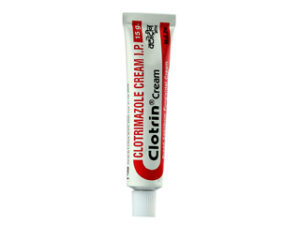
- Clotrimazole
- Miconazole
- Terbinafine
- Ciclopirox (for some conditions)
Oral alternatives (common examples)
- Fluconazole
- Itraconazole
- Terbinafine (for certain fungal infections)
- Griseofulvin (for certain types of fungal infections)
If ketoconazole isn’t suitable due to interactions, liver risk, or lack of response, a pharmacist or doctor may suggest an alternative based on your diagnosis and medical history.
Market and legal context in Australia
Medicines in Australia are regulated by the Therapeutic Goods Administration (TGA). Availability, indications, and product labelling depend on the specific formulation and how it is supplied (e.g., over-the-counter topical products versus other supply arrangements).
Online pharmacies supply medicines within applicable Australian laws and regulations. If a product is not suitable for you, a pharmacist may advise alternative options or additional monitoring.
Because safety considerations (including liver-related risks for oral ketoconazole) can be significant, clinical guidance has evolved over time. Always review the instructions on the package for your specific product.
Recent guidance and safety awareness
In recent years, health authorities and professional guidance have emphasised careful use of ketoconazole—particularly oral ketoconazole—because of the risk of serious liver injury and the potential for clinically significant drug interactions.
- Higher caution: People with liver disease or taking interacting medications may require additional review.
- Monitoring: Oral ketoconazole may require closer monitoring depending on the clinical situation and risk factors.
- Topicals: Topical ketoconazole is often considered for localised conditions, with generally lower systemic risk when used correctly.
Guidance can vary depending on formulation and indication. If you’re using ketoconazole for a condition that isn’t improving, seek medical advice rather than extending use indefinitely.
Delivery and availability (Australia)
Availability of Nizoral products can vary by formulation (topical vs oral), strength, and stock levels. When ordering online in Australia, delivery time can depend on your location and the pharmacy’s dispatch schedule.
What to expect when ordering
- Product selection: Confirm you’ve chosen the correct formulation (e.g., cream or shampoo vs oral tablets).
- Pack size: Check the number of treatments or tablets per pack.
- Shipping options: Some pharmacies offer standard and express delivery.
- Tracking: Many services provide dispatch and tracking updates.
If your order requires pharmacist checks (depending on local rules and product type), you may be contacted for additional information.
FAQ
1) What is Nizoral used for?
Nizoral (ketoconazole) is used to treat certain fungal infections. The exact condition it treats depends on whether you’re using a topical product (skin/scalp) or oral tablets (selected fungal infections).
2) How quickly will I feel better?
Some people notice improvement within days, especially with topical treatments. However, fungal infections may take weeks to fully clear, and treatment duration matters to prevent recurrence.
3) Can I use ketoconazole if I also have other skin conditions (e.g., eczema)?
Yes, but it may not be the right treatment if the rash isn’t fungal. Using antifungals on non-fungal rashes may delay correct care. If you’re unsure of the cause, speak with a pharmacist or doctor.
4) Is ketoconazole safe for long-term use?
It depends on the product and reason for use. Topical treatments may be used for defined periods; oral ketoconazole requires particular caution and safety consideration. Don’t extend use beyond what the label or healthcare professional recommends.
5) What if I miss a dose?
Check the instructions on your package. In general, if you remember soon after the missed time, take it as directed. If it’s close to the next dose, skip the missed one—do not double unless the label says otherwise.
6) Can I take ketoconazole with reflux medicines or antacids?
Some medicines that reduce stomach acid can reduce oral ketoconazole absorption and affect treatment effectiveness. Ask a pharmacist before combining ketoconazole with acid-reducing therapy.
7) Are there foods I should avoid?
For oral ketoconazole, it is typically recommended to take it with food as directed. For other dietary restrictions, follow your product label. If you have a sensitive stomach or digestive conditions, ask for tailored advice.
8) Can I drink alcohol while using Nizoral?
Alcohol may increase risk of side effects, particularly for oral ketoconazole due to liver metabolism. It’s best to limit alcohol and seek advice if you’re unsure, especially if you have any liver risk factors.
9) When should I stop and seek help?
Seek urgent medical help if you develop signs of a serious allergic reaction, severe skin reaction, or symptoms that could indicate liver problems (e.g., jaundice, dark urine, persistent severe fatigue or abdominal pain).
10) What can I do to prevent reinfection?
Practical steps include keeping the area clean and dry, not sharing towels, washing bedding/clothing regularly when relevant, and avoiding tight occlusive clothing that traps moisture. If it keeps returning, you may need confirmation of the diagnosis.
11) What are alternatives if ketoconazole doesn’t work?
Alternatives include other antifungals (such as clotrimazole, terbinafine, fluconazole, itraconazole, depending on the infection). The best option depends on the diagnosis and your medical history.
12) Is topical ketoconazole absorbed into the bloodstream?
Usually only small amounts are absorbed when used on intact skin as directed. Absorption can increase if used over large areas or on broken skin, so use according to the label and seek advice for severe or widespread rashes.
Disclaimer: This information is intended as general patient guidance for Australia. It does not replace advice from a pharmacist or doctor. If symptoms worsen, persist beyond the recommended treatment period, or you experience concerning side effects, seek medical advice promptly.