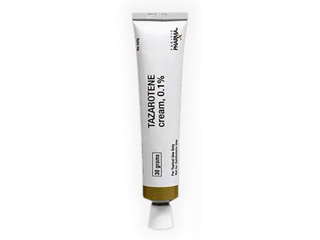
Tazarotene (Topical) – Patient Information for Australia
Tazarotene is a topical medicine used to improve the appearance and symptoms of several skin conditions, most notably acne and certain forms of plaque psoriasis. It belongs to the group of medications known as retinoids (vitamin A–related compounds). When used correctly, tazarotene can help normalise skin cell growth, reduce inflammation, and improve the look of affected skin.
This page explains how tazarotene works, how to use it safely, what to expect at the start of treatment, and important safety and interaction information. It also includes practical tips, alternatives, and answers to common questions for customers in Australia.
Basic product information
- Medicine name: Tazarotene
- Type: Topical retinoid (applied to the skin)
- Common formulations: Cream or gel (strengths vary by product/indication)
- What it’s used for: Acne; plaque psoriasis (and related conditions depending on formulation/strength)
- How it works: Adjusts skin cell behaviour and reduces inflammatory signals
Important: Always follow the instructions provided with your specific product and any clinician guidance. Strengths and directions can differ between acne and psoriasis products.
How tazarotene works (mechanism of action)
Tazarotene works at a cellular level. After application, it is converted in the skin to its active form (tazarotenic acid). This active metabolite binds to retinoid receptors in the skin, influencing gene expression that controls:
- Skin cell turnover: Helps normalise the rate at which skin cells shed and regenerate
- Keratinisation (clogging tendency): Can reduce the formation of clogged pores that contribute to acne
- Inflammation: Helps calm inflammatory pathways involved in both acne and psoriasis
- Skin barrier and scaling: Supports improved plaque texture and thickness over time in psoriasis
Because it targets underlying processes, results generally develop gradually rather than overnight.
Pharmacokinetics (how the body handles it)
Tazarotene is applied to the skin. The medicine is absorbed to a limited extent through the skin surface. In the body, it is metabolised into its active form and other metabolites, which are then eliminated mainly through normal body processes (commonly involving urine and faeces depending on the specific metabolite profile).
- Absorption: Generally low when used on intact skin as directed
- Activation: Converted in the skin to the active metabolite (tazarotenic acid)
- Elimination: Metabolites are cleared primarily via hepatic and renal pathways
- Systemic effects: Unlikely at typical topical use levels, but irritation and local effects are common in early treatment
Note that absorption may be higher if applied to large areas, broken/irritated skin, or if used more frequently than advised.
Typical uses in Australia
Depending on the product and strength, tazarotene may be used for:
- Acne: Reduces clogged pores and improves inflammatory lesions
- Plaque psoriasis: Helps reduce plaque scaling and thickness
- Other indications: Some retinoid products have additional specific licensed indications or formulations
Your exact indication depends on the product strength and instructions. If you are unsure which formulation is appropriate, speak with a qualified healthcare professional.
Indications (what it is for)
Indications vary by concentration and local regulatory approvals. In general, tazarotene is indicated for:
- Acne vulgaris (certain topical strengths)
- Plaque psoriasis in appropriate patients/areas (depending on severity and product strength)
If you have eczema/dermatitis at the application sites, or widespread skin irritation, discuss options before starting.
Dosing and application guidance
Tazarotene dosing is usually based on applying a thin layer to the affected skin. A common approach is:
- Frequency: Often once daily, typically at night (exact frequency depends on tolerance and product strength)
- Amount: A thin layer is usually sufficient; avoid applying thickly
- Coverage: Apply to the affected area and possibly a small margin around visible lesions (unless the product instructions say otherwise)
- Hands: Wash hands after application unless your hands are being treated
- Eyes/mouth: Avoid corners of the nose, eyes, lips, and mucous membranes
Suggested “start low, go slow” routine (common in practice):
- Start with 2–3 nights per week for the first 1–2 weeks
- Increase to every other night if tolerated
- Then move to once daily if skin remains comfortable
If you experience significant irritation, reduce frequency and focus on moisturising and barrier support. Do not skip excessive amounts for short periods; instead, adjust frequency to a level your skin tolerates.
Timing: when to use it
Tazarotene is commonly used in the evening/night because:
- It may reduce exposure to sunlight while you apply and allow contact time overnight
- Some people experience less discomfort at night
Routine example: Cleanse → dry completely → apply thin layer → moisturise if needed (see practical tips below).
Practical use tips (for best results and comfort)
- Apply to completely dry skin: After washing, wait until skin is fully dry. Applying on damp skin may increase irritation.
- Use a gentle cleanser: Avoid harsh scrubs or strong acids while starting tazarotene.
- Moisturiser can help: Apply a moisturiser after (or, for sensitive skin, sometimes before) tazarotene—follow the product directions and your tolerance.
- Try the “pea-sized rule” for small areas: Use the minimum amount to cover the affected area thinly.
- Avoid “stacking” irritants at first: Reduce other strong actives (e.g., exfoliating acids, benzoyl peroxide, strong alcohol-based toners) until your skin adapts.
- Sunscreen is essential: Tazarotene may increase sensitivity. Use broad-spectrum sunscreen daily (SPF 30+ recommended).
- Be patient with acne: Some people notice initial worsening or dryness in the early phase. Full improvement often takes weeks.
- Don’t apply more than prescribed: More frequent or thicker application does not usually speed results and often worsens irritation.
Expected timeline of results
Response times vary by condition, skin type, and adherence. A typical pattern is:
- First 1–2 weeks: Dryness, redness, mild burning may occur. Skin may look worse before it improves (commonly called “retinoid/irritation flare” when it occurs).
- Weeks 3–6: Gradual improvement in clogged pores and inflammation (for acne) or plaque thickness/scale reduction (for psoriasis).
- 8–12+ weeks: More stable, visible benefits for many users. Acne improvement may continue progressively.
If you see no improvement after a reasonable period (often 8–12 weeks depending on severity), reassess the regimen with a healthcare professional.
Food interactions
Because tazarotene is applied to the skin, it has no direct food interaction in the usual sense (unlike medicines taken by mouth). However, overall health factors can still affect your skin—for example, diet patterns, hydration, and general skincare habits.
If your regimen includes oral medicines or systemic therapies for acne/psoriasis, follow the advice of your clinician regarding those medications.
Alcohol and medicine interactions
There are typically no known direct alcohol–tazarotene interactions because tazarotene is topical. However:
- Topical products: Alcohol-containing skincare products (toners, aftershaves, certain astringents) may worsen dryness and irritation. Consider switching to gentle, alcohol-free options.
- Other acne/psoriasis medicines: Combining with certain topical actives may increase irritation (for example, other strong exfoliants or keratolytics). Combination therapy can be appropriate, but timing and skin tolerance matter.
- Photosensitivity: Some medicines increase sun sensitivity. While not specific to tazarotene, sun protection is important if you are using other photosensitising drugs.
Practical interaction reminder: Keep a list of all skincare products and medicines you use, and check with a healthcare professional if you plan to start a new topical active while on tazarotene.
Safety profile and side effects
Most side effects are local skin reactions related to irritation. The most commonly reported effects are:
- Dryness and flaking
- Redness
- Burning or stinging
- Itching
- Peeling
- Skin discomfort, especially early in treatment
When to stop and seek help
Seek medical advice urgently if you experience severe allergic-type symptoms such as swelling, hives, intense rash spreading beyond the application area, or blistering. If irritation is severe, stop using tazarotene and get advice promptly.
Who should be extra cautious?
- Pregnancy or attempting to conceive: Retinoids are generally avoided in pregnancy due to potential risk to the developing foetus. Discuss options urgently if there is any chance of pregnancy.
- Breastfeeding: Discuss with a clinician. Advice may include avoiding application on the breast/areola area.
- Children: Use may depend on age and the product’s licensed directions. Seek professional guidance.
- Very sensitive or eczema-prone skin: Start slowly, use barrier support, and consider alternatives if irritation is difficult to manage.
Skin care compatibility and “avoid” list
To reduce irritation and improve tolerability, consider avoiding or minimising:
- Other strong retinoids (topical or facial retinoid products)
- Harsh exfoliants (strong scrubs, peels, or abrasive brushes)
- Strong acids (e.g., some high-percentage glycolic/salicylic exfoliants) during initial adaptation
- Alcohol-based toners/astringents
- Sun exposure without protection
Many people can eventually combine tazarotene with other treatments, but it’s often best to introduce changes one at a time.
Food interactions revisited: practical perspective
Because tazarotene is applied to the skin, food does not typically alter its action. The main “interaction” is more often with other topical products and your overall routine than with meals.
Market and legal context for Australia (general information)
In Australia, medicines are regulated by the Therapeutic Goods Administration (TGA). Access and classification (how a product is supplied) depend on the active ingredient, concentration, and the product’s approved indications.
Availability online may vary by supplier and product type (including whether the product is prescribed or supplied under different pathways). Always ensure the product is sourced from a reputable pharmacy and matches the formulation and strength you intend to use.
For the latest regulatory updates, you can check TGA resources or guidance via Australian health authorities.
Recent guidance and updates (what to know generally)
Guidance around topical retinoids typically focuses on:
- Managing irritation: Use gradual introduction, moisturisers, and sun protection
- Pregnancy safety: Strong emphasis on avoiding retinoids in pregnancy
- Correct application: Thin layers, avoiding broken skin, avoiding eye/lip contact
- Individualising strength: Tolerance may determine whether to start at a lower concentration or reduced frequency
Product-specific directions can differ, so always follow the instructions supplied with your tazarotene product.
Delivery and availability in Australia
Tazarotene products are commonly stocked by pharmacies and may be available online depending on supplier arrangements and product classification. Delivery options vary by location and courier service. When purchasing online, ensure:
- Correct formulation: Cream vs gel and the strength you need
- Expiry date: Check packaging for expiry and storage requirements
- Secure packaging: Helps prevent damage in transit
- Discreet delivery: Many pharmacies offer packaging that protects privacy
If you have questions about availability, strength, or how to choose the right product for your condition, contact customer support or a pharmacist for help before ordering.
Alternative options
Depending on whether you’re treating acne or plaque psoriasis, there are several alternatives to tazarotene. The best choice depends on severity, skin sensitivity, and how quickly you need results.
Acne alternatives
- Topical retinoids: e.g., adapalene or tretinoin (availability depends on product type and local supply)
- Benzoyl peroxide: Helps reduce acne bacteria and inflammation
- Topical antibiotics (where appropriate): Usually used for limited periods under guidance to reduce resistance risk
- Salicylic acid: Helps unclog pores (may irritate some skin types)
- Azelaic acid: Often gentler, can help inflammation and pigmentation
Plaque psoriasis alternatives
- Topical corticosteroids: Reduce inflammation and scaling
- Vitamin D analogues: Help slow abnormal skin cell growth (e.g., calcipotriol/calcitriol in some regions)
- Emollients/moisturisers: Support skin barrier and reduce discomfort
- Other topical therapies: Depending on severity, location, and skin response
If you have both acne and psoriasis or sensitive skin, your healthcare professional may suggest an approach that reduces overlap irritation while still addressing both conditions.
Comparison table: what to expect with tazarotene
| Topic | What it means for you |
|---|---|
| When to use | Usually at night; apply to clean, fully dry skin. |
| How often | Commonly once daily if tolerated; start 2–3 nights/week for comfort. |
| Timeline | Early dryness/redness possible in the first weeks; noticeable improvement often takes 8–12 weeks. |
| Main side effects | Local irritation: dryness, redness, stinging, peeling. |
| Sun sensitivity | Use broad-spectrum sunscreen and minimise unprotected sun exposure. |
| Food interactions | Not typically relevant because it’s topical. |
| Alcohol interactions | Usually no direct interaction, but alcohol-containing skincare may worsen irritation. |
FAQ (Frequently asked questions)
1) Can I use tazarotene every night?
Many people eventually use tazarotene once daily if tolerated, but irritation is common at the start. A “start low, go slow” approach (e.g., 2–3 nights per week at first) often improves comfort. Adjust frequency if you develop significant redness, burning, or peeling.
2) What if my skin becomes very dry or red?
Reduce the application frequency (for example, switch to every other night) and use a gentle moisturiser. Avoid other irritants like scrubs and strong exfoliating acids during the adjustment period. If irritation becomes severe, stop and seek advice.
3) How long does it take to see results for acne?
Some improvement can appear after several weeks, but many people need around 8–12 weeks for stable results. Early flare-ups or dryness can occur while skin adapts.
4) Is it safe to use with moisturiser?
Often yes. Moisturisers are commonly used to reduce retinoid irritation. You may apply moisturiser after tazarotene, or in some routines apply moisturiser first (the best method depends on your product and comfort). Avoid combining with very harsh or alcohol-heavy skincare.
5) Can I combine tazarotene with benzoyl peroxide or salicylic acid?
Combination therapy may be possible, but irritation risk increases. Many clinicians advise introducing one active at a time, spacing products out, and using moisturising support. If you’re unsure, consult a pharmacist or clinician for a tailored plan.
6) Does tazarotene interact with alcohol?
There is usually no direct alcohol–tazarotene interaction because it’s topical. However, alcohol-containing skincare products can worsen dryness and stinging. If you use toners or cleansers with alcohol, consider switching to gentler, alcohol-free alternatives.
7) Can I use it during the day?
It’s commonly used at night to reduce sun exposure while applying. If your regimen requires daytime use, be extra careful with sunscreen and sun avoidance at the treated area.
8) What should I do if it accidentally gets near my eyes or mouth?
Rinse immediately with plenty of water. If irritation persists, seek medical advice.
9) Should I stop tazarotene if I get a sunburn?
Yes—avoid application to sunburnt skin until it has healed. Sunburn can significantly worsen irritation and delay comfort. Resume gradually only when the skin returns to normal.
10) Who should not use tazarotene?
People who are pregnant or trying to conceive are generally advised to avoid retinoid use due to potential risks. Breastfeeding and use in children depend on product guidance and clinician advice.
Storage and handling (general recommendations)
- Store at room temperature unless the packaging advises otherwise.
- Keep the product tightly closed.
- Keep out of reach of children.
- Do not use after the expiry date.
Summary
Tazarotene is a topical retinoid that helps treat acne and plaque psoriasis by normalising skin cell turnover and reducing inflammatory pathways. While it can be highly effective, early irritation—dryness, redness, peeling, or stinging—is common. Using a thin layer, applying to fully dry skin, moisturising appropriately, introducing gradually, and using daily sunscreen can greatly improve comfort and outcomes.
If you have questions about which strength to choose, how to build a routine around your current skincare, or how to manage irritation, consult a pharmacist or healthcare professional for personalised advice.