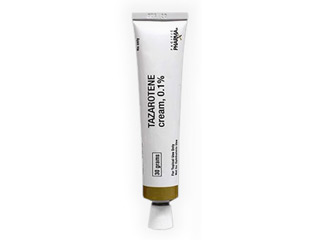
Tazorac® (Tazarotene) – Patient Information (Australia)
Tazorac is a topical medicine containing tazarotene, a retinoid used to treat certain skin conditions, particularly acne and plaque psoriasis. This guide explains how Tazorac works, how it is used, what to expect, and important safety information to help you use it effectively and comfortably.
If you have questions about suitability for your skin type, other conditions, or how to combine Tazorac with moisturisers and other products, speak with a healthcare professional.
1) Basic product information
| Category | Details |
|---|---|
| Medicine name | Tazorac® (tazarotene) |
| Type | Topical retinoid |
| Common strengths (varies by product) | Often available as 0.05% and 0.1% gels/creams/lotions (formulation varies) |
| Typical application | Once daily to affected areas (commonly at night) |
| Formulations | Gel/cream depending on the product brand and strength |
Product availability and exact strengths can differ between Australian retailers and dispensing pharmacies. Always check the label on the specific Tazorac product you receive.
2) How Tazorac works (mechanism of action)
Tazarotene is a topical retinoid. It helps normalise skin cell behaviour and reduces inflammation. In conditions like acne, plaque psoriasis, and other retinoid-responsive disorders, Tazorac can:
- Normalise keratinisation (helps reduce abnormal thickening and clogged pores in acne-type conditions).
- Increase cell turnover in a controlled way, supporting renewal of the skin surface.
- Reduce formation of comedones (where appropriate to the condition).
- Reduce inflammation by affecting inflammatory pathways in the skin.
- Improve scaling and plaque thickness in psoriasis.
Because it is a retinoid, Tazorac may initially cause dryness, peeling, or irritation. These effects often improve as your skin adjusts.
3) Pharmacokinetics (what happens in the body)
Tazorac is applied to the skin. Only a small amount is expected to be absorbed through intact skin. After absorption, tazarotene is metabolised mainly in the skin and liver to active metabolites, which are then eliminated primarily via the kidneys.
- Absorption: Generally limited with topical use, but absorption can increase if applied over large areas, under occlusion, or to broken/irritated skin.
- Metabolism: Primarily to metabolites with the main biologically relevant activity.
- Elimination: Predominantly through urine.
- Onset: Skin changes typically develop over days to weeks, with full benefit often taking longer.
Even though systemic absorption is generally low, caution is still important, especially for pregnancy-related use and for very extensive application.
4) Typical uses and indications
Tazorac (tazarotene) is indicated for conditions where retinoid therapy can improve skin appearance and symptoms. Depending on the product strength and formulation, indications commonly include:
- Plaque psoriasis (in adults and specific age groups, depending on product approval)
- Acne vulgaris (for appropriate severity and in specific age groups, depending on product approval)
Your pharmacist or healthcare professional will confirm the correct strength and how to use it for your specific condition. Always follow the directions on your prescription/dispensed instructions and the product Consumer Medicine Information.
5) When to start and timing of results
With topical retinoids, patience and consistent use are important. Expect a gradual improvement.
Typical timeline
- First 1–2 weeks: Possible dryness, redness, peeling, or a “purging” effect in acne-prone skin.
- By 3–6 weeks: You may notice reduced clogged pores, scaling, or smoother texture.
- By 8–12 weeks: More stable improvement for many people; psoriasis scaling and thickness may continue to improve.
- Ongoing: Some conditions require continued maintenance depending on severity and recurrence.
If irritation is significant, your clinician may advise adjusting how often you apply Tazorac (for example, every other night) rather than stopping immediately.
6) Dosing and how to apply (practical guidance)
Dosing depends on the condition, the affected area, and the product strength. Below is general patient-friendly guidance. Use the exact regimen given by your healthcare professional and check the label for your product.
General application steps
- Choose the right time: Many people apply Tazorac in the evening or at night.
- Wash and dry: Gently cleanse the skin and allow it to dry completely before applying.
- Use a thin layer: Apply a small amount to the affected areas. Use only as much as needed to cover the target areas—avoid excessive application.
- Avoid sensitive areas: Keep away from eyes, eyelids, corners of the nose, mouth, lips, and any broken skin.
- Hand hygiene: Wash hands after application unless the hands are the treatment area.
How much to use
A common practical approach is to use approximately a pea-sized amount for a small area, or as directed by your clinician. Overuse increases irritation without improving results.
Moisturiser pairing (recommended)
- Apply a moisturiser before if your skin is very dry, or after if irritation occurs.
- If using moisturiser after Tazorac, wait a few minutes to allow Tazorac to settle.
What if you miss a dose?
If you forget an application, apply it when you remember unless it’s near the time of your next dose. Do not double up.
7) Food interactions
Because Tazorac is applied to the skin and systemic absorption is limited, food interactions are not typically expected. There are no well-known clinically significant dietary interactions for topical tazarotene.
If you are taking other medicines for acne or psoriasis, focus on skin-safe routines and let your healthcare professional know about all medications and supplements you use.
8) Alcohol and medicine interactions
Alcohol
There is no direct, common interaction between alcohol and topical Tazorac. However, alcohol can sometimes worsen dehydration or skin irritation for some people. If you notice increased dryness after drinking, ensure you maintain moisturising and gentle skin care.
Other medicine interactions (topical and systemic)
Drug interactions depend on what else you apply to your skin or take by mouth. The most important interaction concerns are typically additive skin irritation.
- Other exfoliating/irritating products: Using Tazorac alongside strong scrubs, chemical exfoliants (e.g., some acids), or harsh toners may increase irritation.
- Other retinoids: Avoid combining with similar retinoid products on the same areas unless advised.
- Dermatologic anti-acne agents: Benzoyl peroxide, topical antibiotics, or salicylic acid can often be used in acne plans, but may increase dryness depending on concentration and schedule. Many people alternate nights to reduce irritation.
- Photosensitising agents: While Tazorac itself is not always described as a strong photosensitiser, it can make skin more sensitive. Take sun protection seriously, and avoid unnecessary sun or tanning beds.
Tell your pharmacist if you use: skin-lightening products, frequent chemical peels, medicated washes, or multiple acne treatments. They can help coordinate a routine that minimises irritation.
9) Safety profile: side effects and warnings
Like all medicines, Tazorac can cause side effects. Many are related to irritation because retinoids affect the skin’s turnover and barrier. Most reactions are mild to moderate and improve with correct use and moisturising.
Common side effects
- Dryness or peeling
- Redness (erythema)
- Stinging/burning or mild irritation
- Itching
- Skin sensitivity
- Flaking or roughness
Less common but important effects
- Severe irritation or blistering
- Worsening of symptoms that does not improve after adjusting application frequency
- Allergic-type reactions (rare)
Seek medical advice urgently if
- You develop swelling, hives, or a widespread rash
- There are signs of infection (worsening pain, pus, spreading redness)
- Severe burning occurs that does not settle with temporary treatment changes
Important precautions
- Pregnancy and breastfeeding: Tazarotene is a retinoid and may pose risks in pregnancy. Women who are pregnant, trying to conceive, or breastfeeding should seek advice before using Tazorac. Use caution and follow guidance provided with your medicine.
- Avoid sun exposure: Use high-SPF sunscreen and protective clothing. Repeated sun exposure can increase irritation.
- Do not apply to broken skin: Cuts, eczema flare areas, or sunburned skin may absorb more and irritate more severely.
- Cosmetic use: If you use makeup, choose gentle products and avoid applying over recently treated areas until any irritation settles.
10) Practical use tips to reduce irritation
Retinoid success often depends on how you manage dryness and sensitivity. The tips below are commonly recommended in retinoid skin-care routines.
Helpful habits
- Start slowly: If you are new to retinoids, consider using Tazorac every second night for the first 1–2 weeks, then increase if tolerated (follow your clinician’s advice).
- “Moisturise sandwich” technique: Apply a moisturiser → then a thin layer of Tazorac → then moisturiser again (particularly useful for very dry or sensitive skin).
- Use gentle cleansers: Avoid harsh soaps and hot water.
- Choose fragrance-free moisturisers: These often reduce stinging.
- Don’t cover with occlusive dressings: Occlusion can increase absorption and irritation.
- Be consistent: Short interruptions may help irritation, but long breaks can delay results.
What to avoid while using Tazorac
- Scrubs, exfoliating brushes, and strong toners
- Harsh hair-removal products on treated areas
- Sunbeds and intentional tanning
- Applying on wet skin
11) Alternative options
Depending on your condition (acne or psoriasis), an alternative plan may include other topical retinoids, topical anti-inflammatory medicines, or systemic therapies. Your clinician can tailor treatment to severity, skin sensitivity, and lifestyle.
Common alternatives (examples)
- Other topical retinoids: e.g., adapalene or tretinoin (availability and suitability vary)
- For acne: benzoyl peroxide, topical antibiotics (where appropriate), salicylic acid, or combinations
- For psoriasis: topical corticosteroids, vitamin D analogues, or moisturising regimens
- For moderate to severe disease: phototherapy or systemic therapies may be considered by specialists
The best alternative depends on your diagnosis, affected area size, previous treatments, and how your skin responds. Do not switch products without guidance, especially if you’re using multiple active ingredients.
12) Australia: market and legal context, and how guidance is applied
In Australia, medicines are regulated under the Therapeutic Goods Administration (TGA) and must be provided in accordance with approved product information. Availability may vary across brands, strengths, and dispenser/pharmacy channels.
In dermatology care, ongoing clinical practice and safety communications are updated when new evidence or product information becomes available. Recommendations may include management of skin irritation, appropriate patient selection, and pregnancy-related precautions for retinoid medicines.
If you are concerned about whether Tazorac is the right product for you, ask your pharmacist to check the most relevant current information for your specific strength and formulation.
13) Recent guidance: what patients should know
While individual patient plans vary, contemporary dermatology guidance for topical retinoids consistently emphasises:
- Barrier-friendly routines (gentle cleanser, consistent moisturising, sun protection)
- Gradual introduction to reduce irritation
- Avoiding duplicate actives that may over-irritate the skin
- Adherence to correct use (thin layer, affected areas only, avoid broken skin)
- Prompt attention to severe reactions rather than continuing if irritation becomes intense
Your pharmacist may also advise how to coordinate Tazorac with other acne or psoriasis treatments to balance effectiveness and comfort.
14) Delivery, availability, and what to expect when ordering online
If you purchase Tazorac through an online pharmacy in Australia, delivery time depends on your location and the pharmacy’s dispatch schedule. Most online pharmacies provide:
- Clear product listing including strength and formulation (gel/cream/lotion)
- Packaging details and storage instructions
- Shipping updates via email or SMS
- Support from a qualified team if you have questions about how to use it
Availability can vary due to supply and brand changes. If a product is temporarily unavailable, the pharmacy may offer an alternative strength/formulation that matches the approved indication, subject to suitability.
Storage: Store at room temperature in a cool, dry place and keep the product tightly closed. Keep out of reach of children.
15) FAQ
How long does Tazorac take to work?
Many people notice early changes within a few weeks, but full benefits often take 8–12 weeks for best assessment. If irritation is limiting, adjust use frequency and moisturiser support rather than abandoning treatment too early (unless severe reactions occur).
Can I use Tazorac on my whole face?
Often, Tazorac is applied to affected areas only or as advised for your condition. Some acne plans use wider coverage, while psoriasis may be more targeted. Avoid the eyes, lips, and corners of the nose.
Is Tazorac suitable for sensitive skin?
Some people with sensitive skin can use Tazorac successfully, especially with a gradual start and barrier support. If you’re prone to irritation, discuss strength selection and frequency with a healthcare professional.
What should I do if my skin becomes very irritated?
Reduce frequency (for example, every other night), use moisturiser more consistently, and avoid other irritating skincare actives. If redness is severe, blistering occurs, or symptoms worsen significantly, stop and seek medical advice.
Can I use sunscreen with Tazorac?
Yes. Sunscreen is strongly recommended during retinoid treatment. Use a broad-spectrum sunscreen with an appropriate SPF and reapply as needed, especially outdoors.
Can I combine Tazorac with benzoyl peroxide?
Many acne regimens combine retinoid therapy with benzoyl peroxide, but it can increase dryness. If you combine them, consider timing strategies (e.g., different nights) and monitor irritation closely. Ask your pharmacist for a routine that suits your skin.
Can I apply moisturiser before or after Tazorac?
Yes. Moisturising before and/or after can reduce stinging and peeling. For very sensitive skin, the “moisturiser sandwich” approach can help.
Does Tazorac stain clothes or bedding?
Tazorac is absorbed into the skin, but until it dries, it may transfer to fabric. Apply at night, allow it to dry, and consider using older pillowcases during the early weeks.
Is it safe to drink alcohol while using Tazorac?
No direct interaction is commonly expected. However, alcohol may worsen dehydration and skin sensitivity for some people—if you notice increased dryness, increase moisturising and stay hydrated.
Who should not use Tazorac or should seek special advice?
Retinoid medicines require careful consideration in pregnancy and certain reproductive plans. If you are pregnant, trying to conceive, or breastfeeding, consult a healthcare professional before using Tazorac.
What happens if I stop using Tazorac?
Symptoms often return gradually when treatment is stopped, especially for chronic conditions like psoriasis. Acne can flare again as normal skin cell turnover resumes. If you plan to stop, discuss a maintenance strategy with your clinician.
Summary
Tazorac (tazarotene) is a topical retinoid used for conditions such as acne and plaque psoriasis. It works by normalising skin cell turnover and helping reduce inflammation and scaling. Improvements typically develop over weeks, and initial dryness or irritation is common—often improved by slow starting, using a thin layer, moisturising regularly, and applying sunscreen during the day.
For the safest and most effective results, follow your specific directions, avoid irritating skincare products on treated areas, and seek advice if you experience severe irritation or signs of allergy.