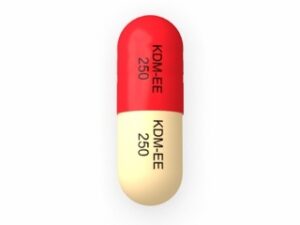



Tacrolimus (Australian Product Information Guide)
Tacrolimus is an immunosuppressant medicine used to prevent organ rejection and to treat certain immune-related conditions. It works by reducing the activity of the immune system—helping your body accept a transplanted organ and controlling overactive immune responses.
This guide is designed to be patient-friendly and practical for people in Australia. It covers what tacrolimus does, how it works, how it is absorbed and processed in the body, common uses, timing and food interactions, alcohol and medicine interactions, safety considerations, and frequently asked questions.
Basic product information
- Medicine name: Tacrolimus
- Medicine type: Immunosuppressant (calcineurin inhibitor)
- Common forms: Oral capsules and oral granules (brand names vary)
- Where it’s used: Primarily after solid organ transplant; also used for some autoimmune conditions
- Key safety feature: Tacrolimus blood levels need monitoring because too little may risk rejection and too much increases side-effect risk
Important: Always follow your clinician’s instructions for your specific formulation and schedule. Different tacrolimus products are not always directly interchangeable.
How tacrolimus works (mechanism of action)
Tacrolimus belongs to a group of medicines called calcineurin inhibitors. Normally, the immune system uses chemical signals to activate T-cells (a type of white blood cell). Tacrolimus interferes with these signals by blocking calcineurin, a key enzyme required for T-cell activation.
As a result, tacrolimus helps to:
- Reduce T-cell activity
- Lower immune responses that could attack a transplanted organ
- Control immune-mediated inflammation in certain conditions
Pharmacokinetics: how your body absorbs and processes tacrolimus
Tacrolimus has a narrow therapeutic range. This means the effective dose is close to the dose that may cause toxicity—so blood level monitoring is important.
Absorption and variability
- Oral absorption: Tacrolimus is absorbed from the gut, but absorption can vary between people.
- Drug interactions: Levels can change significantly with certain medicines that affect liver enzymes and transporters.
- Food can affect levels: Especially high-fat meals, which can reduce or alter absorption patterns depending on the formulation.
Distribution
- Tacrolimus distributes widely throughout the body and binds substantially to blood proteins.
Metabolism and elimination
- Metabolism: Mostly by the liver (and to some extent the gut) via enzymes such as CYP3A.
- Elimination: Metabolites are cleared mainly via bile and faeces.
Half-life
- Tacrolimus has an elimination half-life of roughly ~12 hours in many patients, but this can vary—so consistent dosing and regular monitoring matter.
Typical uses in Australia
Tacrolimus is commonly used in the setting of transplantation and in some immune-mediated disorders.
Indications (common clinical uses)
- Prevention of organ rejection in patients who have received a solid organ transplant (commonly liver, kidney, heart, and other organs depending on clinical protocols).
- Treatment of certain immune-mediated skin and inflammatory conditions in specific cases (e.g., topical tacrolimus exists for skin conditions; oral tacrolimus is used under specialist care for selected diseases).
Note: The exact approved indications and brand availability may differ. Your pharmacist can confirm what applies to your product and condition.
When to take tacrolimus (timing)
Timing is essential because tacrolimus levels can fluctuate. Many people take tacrolimus twice daily, about 12 hours apart.
Practical timing guidance
- Take at the same times each day to help maintain stable blood levels.
- Be consistent with meals—don’t switch between taking it with and without food unless your clinician advises you.
- Keep your routine even on weekends or travel; try to keep dose timing close to your usual schedule.
If you miss a dose
- Take it as soon as you remember, unless it is close to your next dose.
- Do not double up to make up for a missed dose.
- Seek advice from your pharmacist or clinician if you regularly miss doses or if you missed multiple doses.
Food interactions: what to know
Food can affect how tacrolimus is absorbed. This can change blood levels.
General food considerations
- High-fat meals may alter absorption. Many people are advised to take tacrolimus consistently either with or without food.
- Grapefruit and grapefruit juice: Often advised to be avoided because grapefruit can increase tacrolimus levels (via CYP3A effects).
- Consistency is key: If you take tacrolimus with food, continue doing so in the same way each day unless directed otherwise.
If you are unsure about the instructions for your specific product, ask your pharmacist.
Alcohol and medicine interactions
Alcohol
Alcohol may affect the liver and overall metabolism, which can be relevant for medicines processed through hepatic pathways. While moderate alcohol may not be directly contraindicated for everyone, caution is recommended, particularly if you have liver impairment, are taking other interacting medicines, or have abnormal liver tests.
- Ask your clinician or pharmacist if alcohol is safe for your situation.
- Avoid heavy or binge drinking.
Other medicines that can raise tacrolimus levels
Medicines that inhibit CYP3A enzymes can increase tacrolimus concentrations, increasing side-effect risk. Examples may include:
- Antifungals (e.g., some azole antifungals)
- Macrolide antibiotics (e.g., clarithromycin, erythromycin)
- HIV protease inhibitors (in specialist regimens)
- Some calcium channel blockers (depending on type and dose)
Other medicines that can lower tacrolimus levels
Medicines that induce CYP3A enzymes may reduce tacrolimus levels, potentially increasing rejection risk. Examples may include:
- Rifampicin and related antibiotics
- Some anti-seizure medicines
- St John’s wort (a herbal supplement)
Common interaction categories to discuss
- Nephrotoxic or potassium-affecting medicines (your clinician may monitor kidney function and electrolytes).
- Medicines that affect kidney function because tacrolimus itself can impact the kidneys.
- Over-the-counter products including antacids, NSAIDs (like ibuprofen) and herbal products—always check first.
Tip: Keep a current list of your medicines and supplements, and share it with your pharmacist at every check-in—especially when anything is started, stopped, or dose-changed.
Dosing: how tacrolimus is commonly prescribed
Tacrolimus dosing is individualized. The dose depends on:
- Your transplanted organ and transplant protocol
- Your tacrolimus blood levels (trough levels)
- Kidney and liver function
- Concomitant medicines and interaction risk
- Your tolerance and side-effect profile
Blood level monitoring (tacrolimus trough levels)
- Many patients have regular blood tests to measure tacrolimus levels.
- Levels are commonly checked as trough concentrations (just before the next dose) to better guide dosing.
- Frequencies may be higher after changes (new medicines, dose changes, illness, or missed doses).
Special dosing notes
- Follow the exact product instructions. Different formulations may have different absorption characteristics.
- Never stop tacrolimus suddenly. Stopping can lead to immune activation and serious outcomes.
- Consistency matters. If you need to switch brands or formulations, confirm with your pharmacist how dosing and monitoring should be handled.
Safety profile: important risks and monitoring
Tacrolimus can be effective, but it has potential side effects. Because it suppresses the immune system and affects multiple organs, ongoing monitoring is part of safe use.
Common or notable side effects
- Kidney effects: Tacrolimus can affect kidney function. Creatinine and other kidney markers may be monitored.
- High potassium (hyperkalaemia): Some patients may develop elevated potassium.
- High blood sugar: Tacrolimus can increase risk of elevated glucose or diabetes in some people.
- Tremor, headache, or insomnia: Neurologic effects can occur.
- Gastrointestinal symptoms: Nausea, diarrhoea, abdominal discomfort.
- High blood pressure: Possible in some patients.
Serious risks (seek medical advice urgently)
- Signs of infection: Fever, persistent cough, severe sore throat, unusual fatigue, or infection that doesn’t resolve.
- Signs of rejection (for transplant patients): symptoms may include pain, reduced organ function (as advised by your transplant team), or abnormal blood tests.
- Neurologic warning signs: severe confusion, seizures, or sudden severe weakness.
- Allergic reactions: rash, swelling of face/lips, or breathing difficulty.
Vaccines and infection prevention
Because tacrolimus suppresses immune responses, vaccine advice may be different. Discuss with your healthcare team:
- Whether you can have live vaccines (often avoided unless specifically approved).
- Staying up to date with non-live vaccines where appropriate.
Kidney and liver monitoring
Your clinician may monitor:
- Kidney function (e.g., creatinine, eGFR)
- Liver function tests
- Electrolytes (e.g., potassium, magnesium)
- Blood glucose
Practical use tips for patients
- Use a medication organiser if it helps you take doses on time—confirm with your pharmacist that it suits your formulation and storage conditions.
- Don’t mix up formulations. If you have more than one tacrolimus product, confirm the exact one you should take each time.
- Keep appointments for blood tests. These tests help your clinician adjust dosing to keep you in the safer range.
- Plan for travel. Carry enough medication and check time-zone adjustments with your pharmacist.
- Tell your healthcare team about new symptoms. Illness, vomiting, diarrhoea, or missed doses can change absorption—levels may need re-checking.
- Be cautious with supplements and herbal products. St John’s wort is a well-known interaction; other supplements can also affect levels.
Alternative options
Depending on your condition, transplant protocol, and tolerance, clinicians may consider other immunosuppressants. Alternatives may include:
- Cyclosporin (another calcineurin inhibitor)
- Sirolimus (rapamycin) or everolimus (mTOR inhibitors)
- Mycophenolate mofetil or azathioprine (antimetabolites)
- Belatacept (used in some transplant regimens)
Important: Alternative choices depend on the specific organ, your medical history, and interaction risk. Switching medicines requires careful supervision and monitoring.
Market and legal context for Australia
In Australia, medicines like tacrolimus are regulated under the Australian Register of Therapeutic Goods (ARTG) and supplied according to legal requirements. Many tacrolimus products are dispensed only under appropriate clinician authority and are part of standard transplant care pathways.
For consumers, this means:
- Medicines must be supplied by authorised services that follow Australian pharmacy and medicines regulation.
- Patients should receive clear dosing instructions and medicine-specific information.
- Supply may require checking of your identity, eligibility, and medication history to ensure safe use.
If you are using an online pharmacy, choose reputable services that meet Australian regulatory standards and provide appropriate counselling support.
Recent guidance and monitoring considerations
While specific advice may change over time, current best practice in tacrolimus therapy commonly includes:
- Regular tacrolimus trough monitoring—especially after dose changes, illness, or introduction of interacting medicines.
- Strength and formulation awareness to minimise absorption variability.
- Heightened attention to interactions with antifungals, antibiotics, antivirals, seizure medications, and herbal supplements.
- Prompt review if you develop vomiting/diarrhoea, because absorption may drop and tacrolimus levels can change.
Your transplant team or specialist clinic may also issue additional protocols tailored to your organ type and risk profile.
Delivery and availability (Australia)
Availability of tacrolimus can vary by formulation and brand. If you are ordering online in Australia:
- Check the exact product name and formulation (capsules vs granules, and the strength).
- Allow time for processing if stock needs to be sourced or if the medicine requires verification steps.
- Delivery timeframes depend on your location and the pharmacy’s dispatch schedule.
- Storage: Follow the storage instructions on the packaging. Some medicines may require keeping at controlled room temperature and away from moisture.
For safe use, ensure you receive the correct medicine and that your dosage matches your existing regimen.
FAQ: Tacrolimus
1. What is tacrolimus used for?
Tacrolimus is used mainly to prevent rejection after solid organ transplant by suppressing the immune system. It may also be used for certain immune-mediated conditions under specialist care.
2. Why do I need blood tests?
Tacrolimus has a narrow therapeutic range. Blood tests (often trough levels) help confirm the dose is producing the desired effect while minimising toxicity.
3. Should I take tacrolimus with food?
Many patients are instructed to take tacrolimus consistently either with or without food depending on their product and regimen. Consistency helps keep blood levels stable. If you’re unsure, check the instructions on your product packaging or ask your pharmacist.
4. Can I drink grapefruit juice?
It’s generally advised to avoid grapefruit and grapefruit juice while taking tacrolimus because it can increase tacrolimus levels and raise the risk of side effects.
5. What should I do if I miss a dose?
Take the dose as soon as you remember unless it’s near your next dose. Do not double up. If you miss multiple doses or feel unwell, contact your pharmacist or clinician for advice.
6. Are there medicines or supplements I must avoid?
Yes—several medicines can significantly affect tacrolimus levels, including certain antifungals, antibiotics, seizure medications, and herbal products such as St John’s wort. Always check with your pharmacist before starting anything new.
7. What side effects are most concerning?
Kidney impairment, high potassium, high blood sugar, and infection risk can be significant. Seek urgent medical advice if you develop signs of serious infection (e.g., fever) or severe unexplained symptoms.
8. Can I stop tacrolimus if I feel well?
No. Even if you feel well, tacrolimus must usually be continued to maintain immunosuppression. Stopping without medical advice can increase the risk of rejection or flare of the condition being treated.
9. Can I take ibuprofen or other pain medicines?
Pain relief choices depend on your kidney function and overall health. Because tacrolimus can affect kidneys, ask your pharmacist or clinician before using NSAIDs like ibuprofen. Alternative pain relief may be preferred in some cases.
10. Does tacrolimus affect driving or work?
Some people experience tremor, dizziness, or neurological side effects. If you notice these, avoid driving or operating machinery until you know how tacrolimus affects you.
Summary table: Key points for safe tacrolimus use
| Topic | What to remember |
|---|---|
| Mechanism | Calcineurin inhibitor that suppresses T-cell activation to reduce immune attack. |
| Blood levels | Regular trough monitoring helps keep levels in a safer, effective range. |
| Timing | Take at consistent times (often ~12 hours apart for twice-daily regimens). |
| Food | Be consistent with food intake; avoid grapefruit products. |
| Alcohol | Use caution and seek advice, especially with liver issues or other interacting medicines. |
| Interactions | Many medicines and herbal products can raise or lower tacrolimus levels. |
| Safety | Infection risk and kidney effects are key concerns—monitoring is important. |
| Missed dose | Don’t double. Contact your pharmacist/clinician if you’re unsure or missed multiple doses. |
Need personalised help? If you have questions about how to take tacrolimus with your current routine, your pharmacist can help you review your medicines, timing, and practical interaction risks.