
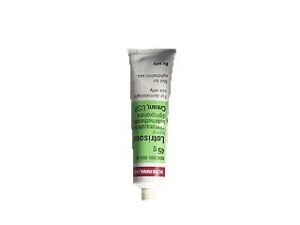
Grifulvin (Griseofulvin) – Patient Information (Australia)
Grifulvin contains griseofulvin, an antifungal medicine used to treat certain fungal infections of the skin, scalp, and nails. It works by stopping fungi from growing and multiplying. This guide is designed to be patient-friendly and to help you understand how Grifulvin is used, what to expect, and when to seek advice.
Basic product information
| Feature | What you should know |
|---|---|
| Active ingredient | Griseofulvin |
| Medicine name | Grifulvin |
| Medicine type | Systemic antifungal (taken by mouth) |
| Common infection types | Fungal infections affecting skin, scalp (tinea capitis), and nails (tinea unguium) |
| Key treatment challenge | Long course may be needed, especially for nail infections |
| How it’s taken | Oral tablets/suspension (strength and form vary by brand/product availability) |
Important: Brand names and formulations can vary. Always follow the dosing instructions on your product label and any instruction given with your medicine.
How Grifulvin works (mechanism of action)
Griseofulvin is a fungistatic antifungal, meaning it helps stop fungal growth so the body can clear the infection naturally over time.
It works mainly by interfering with fungal cell division. In simple terms:
- Griseofulvin binds to fungal components and affects how fungal cells form and replicate.
- It becomes incorporated into newly growing fungal cells (in keratin-forming tissues), making it harder for the fungus to continue growing.
- As healthy skin, hair, or nail grows in, the affected areas gradually replace the infected tissue.
Because hair and nails grow slowly, treatment typically needs to last long enough for healthy tissue to replace infected tissue.
Pharmacokinetics (how your body processes it)
Pharmacokinetics describes what happens to a medicine in the body: absorption, distribution, metabolism, and elimination.
- Absorption: Griseofulvin absorption can be improved when taken with food, particularly meals containing fat.
- Distribution: The medicine is distributed to the skin and other keratin-rich tissues where fungal infections occur.
- Metabolism: Griseofulvin is metabolised in the liver.
- Elimination: It is cleared mainly via urine (and partially via other routes depending on formulation and patient factors).
If you miss doses, treatment may be less effective. Try to take it at the same time each day and follow food instructions carefully.
Typical uses and indications
Grifulvin is used for certain dermatophyte fungal infections—commonly caused by fungi such as Trichophyton, Microsporum, and Epidermophyton.
Common indications include:
- Tinea corporis (ringworm of the body)
- Tinea capitis (fungal infection of the scalp)
- Tinea pedis (athlete’s foot) – usually if widespread or difficult to treat
- Onychomycosis / tinea unguium (fungal nail infection)
- Other dermatophyte infections where oral therapy is appropriate
Griseofulvin is not usually used for all types of fungal infections (for example, many yeast infections or some deeper fungal infections may require different medicines).
When and how to take Grifulvin (timing)
Treatment success often depends on taking Grifulvin correctly and consistently.
- Take at the same time each day to maintain steady levels.
- With food (as directed on your product label). Taking it with meals can improve absorption.
- Do not stop early even if you start feeling better—fungal infections can look improved before they are fully cleared.
- Finish the full course unless your clinician tells you to stop.
How long does treatment usually take?
- Skin infections: Often improve within weeks, but a full course may still be required.
- Scalp infections: Commonly require longer courses due to hair growth cycle.
- Nail infections: Often take months, because nails grow slowly and previously infected portions need to be replaced.
Food interactions (what to eat and avoid)
Food can influence how well Griseofulvin is absorbed.
- Take with a meal or immediately after food, as directed.
- If your dose instructions say “with food,” avoid taking it on an empty stomach.
- Consistency matters—try to take your dose the same way each day (for example, always after breakfast).
There are not many specific foods that must be completely avoided for every patient; however, if you have dietary restrictions or experience nausea, you may need guidance on the best timing with meals.
Alcohol interactions and other medicine interactions
Alcohol
Alcohol may increase the risk of side effects such as stomach upset, headache, and may add stress to the liver. Because Griseofulvin is processed in the liver, it’s generally safer to limit or avoid alcohol while taking it—especially if you notice nausea or unusual fatigue.
If you would like guidance tailored to your situation (for example, regular alcohol intake or liver-related risk factors), speak with a healthcare professional.
Interactions with other medicines
Griseofulvin can interact with several medicines due to its effect on liver enzymes. This may change how other medicines work, and in some cases may require monitoring or dose adjustments.
Discuss all current medicines with your pharmacist or doctor, including:
- Warfarin and other anticoagulants (blood thinners) – may change INR/blood clotting control.
- Hormonal contraception (including the pill) – effectiveness may be reduced with some enzyme-inducing medicines.
- Seizure medicines (antiepileptics) – may interact and affect effectiveness or side effects.
- Some antibiotics/antifungals and other liver-metabolised medicines – interaction potential varies.
- Other medicines that affect the liver or cause liver stress.
Tip: Keep an up-to-date list of your medicines and show it to your pharmacist before starting. If you start a new medicine while taking Grifulvin, confirm there are no important interactions.
Dosing guidance (general information)
Dosing depends on factors such as the infection type, age, weight (for children), and product strength. Dose instructions vary between forms and brands, so always use the dose provided with your medicine.
General dosing principles include:
- Follow the prescribed/label directions exactly. Do not adjust dose on your own.
- In many regimens, doses are taken once or twice daily depending on the specific product and the infection being treated.
- Children’s dosing is often based on weight and should be calculated carefully.
- For nail infections, treatment usually lasts longer than for skin infections, and clinicians may use a schedule that reflects nail growth speed.
What if you miss a dose?
- If you remember soon after, take it as soon as possible.
- If it is close to the next dose, skip the missed dose and continue your regular schedule.
- Do not take a double dose to make up for a missed one.
Safety profile and side effects
Like all medicines, Grifulvin can cause side effects. Many people tolerate it well, but you should know what to watch for.
Common side effects
- Nausea, stomach upset, or indigestion
- Headache
- Dizziness or tiredness
- Rash or mild skin reactions
- Sensitivity to sunlight (some patients)
Less common but serious side effects
Seek urgent medical attention if you develop signs of a severe reaction. Contact a healthcare professional promptly if you notice any of the following:
- Signs of liver problems: yellowing of the eyes/skin (jaundice), dark urine, severe fatigue, persistent nausea/vomiting, or upper right abdominal pain.
- Severe skin reactions: blistering, peeling, or widespread painful rash.
- Allergic reactions: swelling of the face/lips, difficulty breathing, wheezing, or hives.
- Blood disorders (rare): unusual bruising or bleeding, persistent fever, or sore throat.
If you have a history of liver disease or heavy alcohol use, discuss risk and monitoring with a clinician before starting.
Practical use tips for best results
- Keep the area clean and dry as advised. For skin infections, good hygiene and dry skin can reduce reinfection.
- Don’t share towels, combs, hats, or socks.
- Wash clothing and bedding regularly; disinfect items that contact the affected area.
- Continue the full course even if symptoms improve.
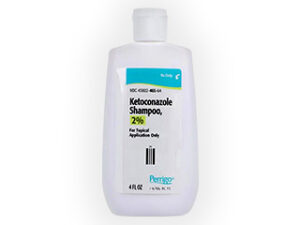
- For scalp or hair involvement, ask your clinician/pharmacist whether an antifungal shampoo or topical treatment is also recommended—oral therapy may be combined in some cases.
- For nails, be patient: nails take time to grow. Don’t stop simply because the nail looks better early.
- Sun protection: If you notice increased sensitivity, use sunscreen and protective clothing.
- If you experience stomach upset, taking Grifulvin with a proper meal (as directed) can help.
Alternative treatment options
Alternatives depend on the location and severity of the fungal infection, the suspected fungus type, and patient factors. In Australia, clinicians may use topical or oral antifungals depending on the condition.
Common alternatives include:
- Topical antifungals (for many skin infections), such as creams or gels containing agents like terbinafine or azoles.
- Other oral antifungals (for some nail/scalp infections), including terbinafine and itraconazole (availability and suitability vary).
- Combination approaches (for example, oral medicine plus medicated shampoo for scalp infections).
- Supportive skin care measures to reduce moisture and reinfection.
Your pharmacist can help explain what options are generally used for your infection type and what to ask your clinician about.
Market and legal context for Australia
In Australia, medicines are regulated through the TGA (Therapeutic Goods Administration). Availability and classification (such as whether a medicine is prescription-only or restricted) are determined by the Australian Regulatory framework and the medicine’s risk/benefit profile.
Grifulvin/griseofulvin products may be subject to specific prescribing and supply requirements and may require careful patient screening due to potential interactions and, rarely, liver-related effects.
Online pharmacies will generally provide products in line with applicable Australian laws and supply guidelines, including ensuring the patient is eligible to purchase and receive the medicine safely.
Recent guidance and clinical considerations (Australia)
Guidance for treating fungal infections continues to evolve, largely focusing on:
- Accurate diagnosis (confirming dermatophyte infection where possible) before long courses.
- Medication choice based on fungus type and infection site.
- Managing safety (checking for interactions, liver risk, and monitoring when indicated).
- Improving adherence (clear instructions on timing with food and expected time to see improvement).
If your infection is not improving after a reasonable time, it may be necessary to reassess the diagnosis or consider alternative antifungal therapy.
Delivery and availability (online pharmacy)
Availability of Grifulvin products can vary by region and time due to supply chain factors and product formulation. If the exact pack you want is unavailable, some pharmacies may offer alternative strengths or forms (subject to stock and suitability).
Delivery tips:
- Check estimated delivery times at checkout and ensure someone can receive the parcel.
- Keep your medicine in a cool, dry place and protect from moisture/heat as directed on the label.
- If your medicine arrives late, ask whether you should restart the course schedule or continue from where you left off.
FAQ – Frequently asked questions
1) How soon will I feel better after starting Grifulvin?
Many people notice improvement gradually. Because fungal growth and tissue replacement take time—especially for hair and nails— symptoms can take weeks to improve and may not fully resolve until the course is completed.
2) Should I use a cream as well?
Depending on the infection site and severity, clinicians may recommend a topical antifungal alongside oral treatment. For scalp infections, medicated shampoo is often used in combination strategies. Ask your pharmacist or clinician what is appropriate for your specific condition.
3) What if the rash spreads or looks worse?
Some worsening early can occur, but progressive spread may indicate that the infection is not responding or that the diagnosis may be different. Seek medical advice if you are not improving after the expected timeframe or if symptoms rapidly worsen.
4) Can I drink alcohol while taking Grifulvin?
It’s best to limit or avoid alcohol to reduce the chance of side effects and because Griseofulvin is processed in the liver. If you’re unsure, ask a pharmacist about your individual situation.
5) Is Grifulvin safe for everyone?
Griseofulvin is not suitable for all patients. It may be risky for some people with liver disease, certain blood disorders, or those taking interacting medicines. A healthcare professional should review your history and current medicines before starting.
6) What are the signs of liver problems I should watch for?
Contact urgent medical care if you notice jaundice (yellow skin/eyes), dark urine, severe or persistent nausea/vomiting, strong upper abdominal pain, or profound unusual tiredness while taking Grifulvin.
7) What should I do if I miss a dose?
Take the missed dose when you remember unless it’s close to the next scheduled dose. Do not take double doses. Continue the regular schedule after that.
8) Can Grifulvin be used in children?
Children may be treated with griseofulvin for appropriate fungal infections, with dosing typically based on body weight and infection type. Ensure dosing is calculated correctly and follow the product instructions carefully.
9) Will my hair or nails grow back normally?
If the infection is treated successfully, new healthy hair or nail growth should occur over time. Nails, in particular, may take months to fully clear.
10) When should I contact a doctor or pharmacist?
Contact a healthcare professional if you experience severe side effects, symptoms suggesting allergy or liver issues, significant worsening, or lack of improvement after a reasonable period.
Key takeaways
- Grifulvin (griseofulvin) treats certain fungal infections by stopping fungal growth.
- Take it with food as directed to improve absorption.
- Be patient: skin improves in weeks, but scalp and nail infections can take months.
- Watch for safety signals, especially liver-related symptoms and severe rash.
- Check interactions with your pharmacist, especially with other medicines and alcohol use.