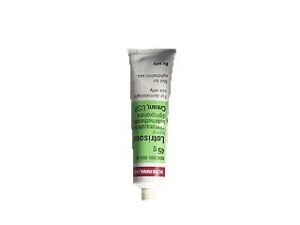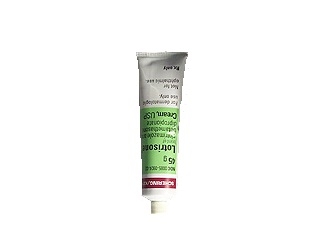
Lotrisone (Betamethasone / Clotrimazole) – Patient Information (Australia)
Lotrisone is a combination medicine used for certain skin infections where both inflammation and a fungal organism are present. It contains:
- Betamethasone (a corticosteroid that helps reduce redness, swelling and itching)
- Clotrimazole (an antifungal medicine that kills or stops the growth of fungi)
This page explains how Lotrisone works, when it is used, how to apply it safely, and what to watch for. It is written for people using Lotrisone on their skin for common fungal conditions.
Basic product information
| Product name | Active ingredients | Common formulation | Skin type / use |
|---|---|---|---|
| Lotrisone | Betamethasone + Clotrimazole | Cream (typical) | For selected fungal skin infections with inflammation |
Important: Different strengths and presentations may be available. Always check your specific product label for exact dosing instructions and strength.
How Lotrisone works (mechanism of action)
Lotrisone combines two complementary actions:
-
Clotrimazole (antifungal):
Clotrimazole disrupts fungal cell membranes and interferes with the growth of fungi (including common skin dermatophytes and Candida species in some cases). This helps clear the infection. -
Betamethasone (corticosteroid):
Betamethasone reduces inflammation by calming immune responses in the skin. It can rapidly relieve itching, redness, and swelling—symptoms that are often prominent in fungal rashes.
Why a combination? Many fungal rashes become inflamed and itchy. By pairing an antifungal with an anti-inflammatory, Lotrisone may relieve discomfort while treating the underlying fungal cause.
Pharmacokinetics (absorption and how the body handles it)
Lotrisone is applied to the skin. In general, the medicine acts locally, with only small amounts of active components entering the bloodstream when used correctly.
- Skin absorption: Absorption can increase if applied to large areas, used under occlusion (covered tightly), applied to broken skin, or used for longer than recommended.
- Systemic effects: Because betamethasone is a potent steroid, excessive absorption over time—especially in children—may increase risk of systemic steroid effects (for example, effects on growth or adrenal function). This is why careful use and short duration are important.
- Metabolism and elimination: Any absorbed betamethasone and clotrimazole are processed by the liver and then eliminated from the body (typically via the kidneys and bile). The degree of absorption is usually limited with proper topical use.
Practical takeaway: Apply only a thin layer to the affected skin, follow the recommended duration, and avoid covering the treated area unless your clinician advises it.
Typical uses (indications)
Lotrisone is used for fungal skin infections in which there is also significant inflammation (such as marked redness, itching and irritation). It is often considered for areas like:
- Groin (tinea cruris/jock itch)
- Body (tinea corporis/ringworm)
- Intertrigo with suspected fungal involvement (skin fold rashes caused or worsened by fungus)
Do not use Lotrisone for every rash. It is meant for fungal patterns where inflammation is prominent.
- Not for: acne, viral skin infections (e.g., herpes), untreated bacterial skin infections, or undiagnosed rashes where the cause is unclear.
- Be cautious: If you suspect fungal infection but symptoms are unusual, worsening, or widespread, get medical advice.
When to use it and timing
Lotrisone is commonly applied twice daily (morning and evening) to the affected area and a small surrounding margin, but your product label or prescriber instructions should guide exact frequency and duration.
Typical timing:
- Apply at evenly spaced times during the day.
- Wash and dry the area first, then apply a thin layer.
- Continue for the recommended course even if symptoms improve early—unless you are told to stop.
If you miss a dose: Apply when you remember unless it is close to the next scheduled dose. Do not apply extra to “catch up.”
How to apply Lotrisone (detailed dosing and practical use tips)
Dosing on skin depends on the size and location of the area and your specific product strength. As a general patient guide:
- Use a thin film over the affected skin.
- Apply to the rash and slightly beyond the edges.
- Wash hands after applying (unless your hands are the treatment site).
- Avoid eyes, lips, and inside the nose.
- Avoid using on large body areas for extended periods.
Duration: Many topical antifungal/steroid combination regimens are used for a limited period. If your symptoms do not improve within the expected timeframe on the label, or if they worsen, stop and seek advice. Continued steroid use can mask symptoms of infection and may worsen certain conditions.
Practical tips for better results
- Keep the area clean and dry: Fungus thrives in warm, moist conditions. After bathing, pat the area dry gently.
- Gentle hygiene: Use mild soap. Avoid strong scrubbing that can irritate skin and spread infection.
- Change underwear/socks frequently: For groin or foot-related fungal issues, keeping garments dry can reduce recurrence.
- Don’t share towels: Fungal rashes can spread through contaminated fabric.
- Address contributing factors: If you have recurrent athlete’s foot or nail fungus, treat those as well to reduce “ping-pong” reinfection.
- Stop and get advice if: you notice rapid spreading, severe pain, pus, fever, or a rash that looks very different from typical ringworm/fungal dermatitis.
Food interactions
Because Lotrisone is a topical medicine, food interactions are not expected. There is no known requirement to avoid specific foods while using Lotrisone.
Tip: If you are taking other medications (especially immunosuppressants), discuss your situation with a clinician, but this is not typically related to food.
Alcohol interactions
No direct alcohol interaction is generally expected with topical Lotrisone, since systemic absorption is usually low when used correctly. However, alcohol may indirectly affect skin health and immune function in some people. If you have concerns, ask your pharmacist or doctor.
Medicine interactions (other topical and systemic medicines)
Systemic interactions are uncommon with topical Lotrisone, but there are still a few practical considerations.
Other topical products
- Avoid applying other creams/lotions to the same area at the same time unless advised.
- If using moisturisers or emollients, separate application (for example, apply Lotrisone first and allow time to absorb, then moisturise elsewhere or at a different time).
Increased steroid absorption risk
- Using Lotrisone along with other potent topical steroids on the same area may increase steroid exposure.
- Occlusion (tightly covering the area) can increase absorption.
Immunosuppression
- If you use medicines that suppress your immune system, skin infections can behave differently. In those cases, seek advice promptly if rash persists or worsens.
Safety profile and side effects
Lotrisone contains a potent corticosteroid. Most people use it without serious problems when used as directed, but it is important to recognise potential side effects—especially from overuse.
Common side effects
- Skin burning or stinging
- Mild irritation or redness
- Itching changes after starting treatment
Less common but important side effects
- Skin thinning (atrophy) with prolonged use
- Stretch marks (striae)
- Telangiectasia (visible small blood vessels)
- Perioral dermatitis-like rash (around mouth)
- Folliculitis (inflamed hair follicles)
- Changes in skin colour (lightening or darkening)
Signs you should stop and seek advice
- Rash rapidly worsens or spreads
- No improvement after the expected course
- Severe pain, swelling, oozing, or signs of bacterial infection
- Rash on the face, genitals, or around eyes that does not improve—these areas are more sensitive to steroids
Serious risks with excessive use
With larger areas, frequent use, occlusion, or long duration—especially in children—systemic absorption of betamethasone may occur, increasing risk of steroid-related effects. These can include effects on adrenal function and other hormonal changes. Follow dosing instructions carefully.
Warnings and precautions
- Use on skin only: Do not swallow; avoid eyes and mucous membranes.
- Do not use for acne or viral infections: Steroids can worsen certain infections or mask symptoms.
- Genital and facial use: These areas require caution due to higher absorption and skin sensitivity.
- Children: Children are at higher risk of steroid effects from topical medications. Use only as directed and for limited duration.
- Pregnancy and breastfeeding: If you are pregnant or breastfeeding, discuss use with a healthcare professional to ensure the safest approach.
Alternative options (what else may be used)
The best treatment depends on the underlying cause of the rash. Alternatives include:
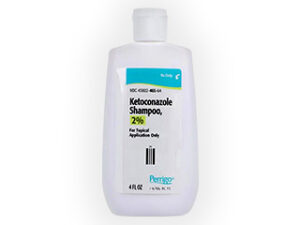
- Antifungal-only creams (without a steroid), such as clotrimazole, miconazole, ketoconazole or terbinafine products—often used when inflammation is mild.
- Oral antifungals for widespread or severe fungal infections—typically considered by clinicians.
- Non-steroid skin treatments for irritation (e.g., barrier creams) if there is friction or moisture-related rash without clear fungal infection.
Choosing the right option: If you are unsure whether your rash is fungal, it may be safer to start with an antifungal-only product and seek advice if it doesn’t improve.
Market and legal context for Australia
In Australia, topical medicines are supplied under national medicines legislation and frameworks that classify medicines by schedule (how they are supplied). Availability can vary by concentration, formulation, and regulatory status.
- Many combination topical products containing corticosteroids may be supplied with restrictions to ensure safe use.
- Australian pharmacies generally follow guidelines for counselling, appropriate indication, and correct use—especially where potent steroids are involved.
- Online pharmacy supply may require compliance with age limits, product eligibility rules, and clinical checks where necessary.
Note: Regulatory status can change. Always refer to the product listing on the pharmacy website and the label on your tube for current information.
Recent guidance and best-practice considerations
Clinical practice in recent years has emphasised:
- Appropriate diagnosis: Not all rashes are fungal. Using steroid-containing products when the cause is unknown can delay correct treatment.
- Short courses: Potent topical steroids are generally used for the shortest time necessary, and not on sensitive areas unless specifically advised.
- Managing recurrence: Reinfection is common when other fungal reservoirs (like athlete’s foot) aren’t treated.
- Monitoring response: If symptoms do not improve promptly, reassessment is recommended.
If you have recurrent fungal rashes or frequent relapses, consider discussing triggers (sweating, friction, tight clothing, moisture, diabetes, immune status) with a clinician.
Delivery and availability (Australia)
Lotrisone availability may vary across brands, pack sizes and regulatory categories. Online pharmacies in Australia commonly offer:
- Home delivery to eligible Australian addresses
- Discreet packaging (where available)
- Estimated delivery times shown at checkout
- In-stock notifications or alternatives if the exact product is unavailable
Check before ordering: confirm the active ingredients and strength match your previous use or your clinician’s advice. If you have difficulty finding the exact product, ask for a pharmacist-recommended equivalent.
Frequently Asked Questions (FAQ)
1) What is Lotrisone used for?
Lotrisone is used for certain fungal skin infections where there is also inflammation such as redness, itching and swelling. It combines an antifungal (clotrimazole) with a corticosteroid (betamethasone).
2) How long will it take to work?
Some people notice less itching and redness within a few days. Clearing the fungus usually takes longer. If there is no improvement within the course recommended on your product label, stop and seek advice.
3) Where should I apply it?
Apply to the affected area on the skin and slightly around the edges. Avoid eyes, lips, and inside the nose. Use caution on sensitive areas like the face and genitals unless advised.
4) Can I cover the treated area with a bandage?
Generally, avoid tight occlusive coverings unless a clinician specifically instructs you. Occlusion can increase absorption of the steroid and raise the risk of side effects.
5) Can I use Lotrisone on children?
Children are more vulnerable to steroid-related side effects. If it is recommended for a child, use only the smallest amount for the shortest time and follow label directions or clinician instructions carefully.
6) What if my rash gets worse after starting?
If the rash rapidly worsens, spreads, becomes painful, oozes, or you develop signs of infection (such as pus or fever), stop using Lotrisone and seek medical advice promptly.
7) Should I stop once I feel better?
Even if symptoms improve, fungal infections can persist. Follow the recommended duration on the product label. If you are unsure, consult a pharmacist.
8) Will Lotrisone interact with other medicines?
Major interactions are unlikely with topical use when applied correctly. However, avoid combining with other potent steroid products on the same area, and do not use additional antifungals on the same skin area unless advised.
9) Is there a food or alcohol interaction?
No specific food interaction is expected. Direct alcohol interactions are not generally expected with topical Lotrisone, though it’s sensible to maintain overall health and avoid excess alcohol if you have a significant infection.
10) What are safer options if I’m not sure it’s fungal?
If the cause is uncertain and inflammation is mild, antifungal-only creams may be a safer first step than combination steroid/antifungal products. If it does not improve, get advice.
Summary
Lotrisone (betamethasone/clotrimazole) is a combination topical medicine designed to treat fungal skin infections while easing inflammation. It works locally: clotrimazole targets the fungus, while betamethasone reduces redness, itching and swelling. For best results and safety, apply a thin layer to affected skin, avoid sensitive areas and occlusion, and use for the recommended duration. If symptoms don’t improve or you notice concerning changes, seek advice promptly.