
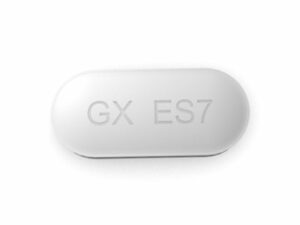
Vibramycin (Doxycycline) – Patient Information (Australia)
Vibramycin is a brand of doxycycline, a medicine from the tetracycline group of antibiotics. It is used to treat a variety of bacterial infections and, in some circumstances, to prevent certain conditions. This page explains how Vibramycin works, how it’s used, and important safety information for people in Australia.
Note: Always use this medicine exactly as directed by your healthcare professional or according to the instructions provided with your product. If you have questions about your specific situation, speak with your pharmacist or doctor.
Quick Overview
- Active ingredient: Doxycycline (commonly as doxycycline hyclate in formulations such as Vibramycin)
- Medicine type: Antibiotic (tetracycline)
- Common forms: Capsules and tablets (strength may vary)
- Typical uses: Respiratory, skin, dental, and some sexually transmitted infections (depending on diagnosis)
- Key “how to take” tip: Take with water and stay upright to reduce the risk of oesophageal irritation
Basic Product Information
Brand: Vibramycin
Generic name: Doxycycline
Class: Tetracycline antibiotic
In Australia, doxycycline products are available through healthcare channels and can be supplied via reputable pharmacies. Availability may vary by formulation and strength.
How Vibramycin Works (Mechanism of Action)
Doxycycline works by inhibiting bacterial protein synthesis. It binds to the 30S ribosomal subunit of susceptible bacteria, preventing the bacteria from making essential proteins needed for growth and multiplication.
This means Vibramycin helps the body to clear infection, and it can also stop bacteria from spreading further while your immune system resolves the remaining infection.
Important note on effectiveness
- It works only against bacteria, not viruses such as the common cold or influenza.
- Some bacteria may be resistant. If symptoms don’t improve, your prescriber may reassess diagnosis and treatment.
Pharmacokinetics (How the Body Processes Doxycycline)
Pharmacokinetics describes what happens to a medicine after you take it. Understanding this can help with timing and food interactions.
- Absorption: Doxycycline is generally absorbed from the gastrointestinal tract. Absorption can be reduced by certain substances (notably calcium/iron and some antacids).
- Distribution: It distributes into many body tissues. This is why it can be used for infections in different locations.
- Metabolism & excretion: Doxycycline is eliminated mainly through the liver/bile and kidneys (and to some extent via faeces).
- Half-life: Doxycycline has a relatively long half-life compared with some older tetracyclines, which supports once or twice daily regimens depending on the indication.
Your specific dosing schedule depends on the diagnosis, severity, and patient factors.
Typical Use and When It’s Prescribed
Vibramycin (doxycycline) may be used for a range of bacterial infections, as determined by a clinician and local prescribing practices. Common categories include:
- Respiratory tract infections (certain bacterial causes)
- Skin and soft tissue infections
- Dental infections (in selected cases)
- Some sexually transmitted infections and related conditions (depending on organism and patient factors)
- Other infections where doxycycline is an appropriate option
- Prevention in specific circumstances (for example, doxycycline is sometimes used for prevention of certain infections in people at risk while travelling—this depends on the condition being prevented)
Important: The exact use should be based on clinical assessment, which may include history, examination, and sometimes laboratory testing.
Dosing: How Much and How Often
Dosing varies widely by indication and patient factors. Always follow the dosing instructions provided for your medicine.
Typical dosing patterns (general information)
| Common purpose | General dosing approach | Examples of directions you may see |
|---|---|---|
| Many adult bacterial infections | Often 100 mg once or twice daily (depends on condition) | 100 mg daily or 100 mg twice daily for a set number of days |
| More specific infections (e.g., some STIs) | Dose and duration may differ | Higher or more frequent dosing for a shorter or longer course as advised |
| Children (where appropriate) | Weight-based dosing may be used | Your clinician will calculate the correct mg/kg dose if doxycycline is considered suitable |
| Prevention in specific travel settings | Starting before travel and continuing during risk period | Timings can vary by destination and guidance |
Course length
- Antibiotics are usually taken for a defined number of days.
- Even if you feel better, finish the course unless a clinician tells you to stop.
- If you miss doses or stop early, infection may return or worsen.
Take the medicine correctly
- Take with a full glass of water (at least 200 mL if possible).
- Do not lie down for at least 30 minutes after taking a dose.
- Avoid taking it immediately before bed.
Timing: Best Time to Take Vibramycin
Most people take doxycycline on a schedule that is easiest to remember while reducing side effects.
- If prescribed once daily, take it at about the same time each day.
- If prescribed twice daily, try to space doses evenly (for example, morning and evening).
- For reduced stomach upset, many people take it with food—see “Food interactions” below.
Missed dose: Take it as soon as you remember on the same day. If it’s close to your next dose, skip the missed dose and continue your normal schedule. Do not take a double dose to make up for a missed one.
Food Interactions and What to Avoid
Doxycycline can interact with certain foods and nutrients. The key issue is that some substances bind doxycycline in the gut and reduce absorption.
Avoid or separate dosing from:
- Antacids containing aluminium, magnesium
- Iron supplements
- Calcium supplements and high-dose dairy products (for example, supplements and very high intakes)
- Magnesium-containing products
- Bismuth products (some can interfere depending on contents)
Practical separation tip: If you need to take minerals (iron/calcium/magnesium) or antacids, ask your pharmacist about the best spacing. A common approach is to separate these by several hours, but the exact timing may depend on your product and dose.
Can you take it with food?
Unlike some older tetracyclines, doxycycline is often taken with food to reduce stomach upset. Taking it with a light meal may improve tolerability.
- If food worsens nausea for you, try a small snack instead of a heavy meal.
- Keep in mind the mineral interaction points above.
Alcohol and Interactions with Other Medicines
Alcohol
Moderate alcohol use does not always directly cancel out doxycycline’s effect. However, alcohol can:
- Increase the risk of stomach irritation and nausea
- Make side effects feel worse
- In higher amounts, stress the liver
Practical advice: It’s best to limit alcohol while you’re taking antibiotics, especially if you notice nausea, reflux, or fatigue.
Medicines that may interact with doxycycline
Some medicines can change how doxycycline works or how your body processes it.
- Retinoids (vitamin A derivatives) (e.g., isotretinoin, tretinoin systemically): increased risk of raised pressure in the skull (intracranial hypertension)
- Antiepileptics such as phenytoin, carbamazepine, barbiturates: may reduce doxycycline levels
- Warfarin (blood thinner): antibiotics can affect bleeding risk; monitoring may be needed
- Diuretics (certain types): may affect side effect risk
- Penicillin/other antibiotics: interactions vary; your pharmacist can advise if you’re on multiple antibiotics
- Oral contraceptives: gastrointestinal upset (vomiting/diarrhoea) from any cause may reduce effectiveness; additional contraception may be recommended during illness
Always check before combining
Tell your pharmacist or doctor about all medicines you take, including:
- Prescription medicines
- Over-the-counter products (including antacids and supplements)
- Herbal products
Indications: What Vibramycin Treats
In Australia, doxycycline may be used for a number of bacterial infections. Indications depend on the organism, patient factors, and clinician judgement. Common indications include:
- Community-acquired infections caused by susceptible bacteria
- Skin infections (e.g., acne-related infections may be treated in selected regimens)
- Respiratory infections caused by susceptible organisms
- Some sexually transmitted infections
- Tick- or vector-related infections (where doxycycline is recommended by clinical guidance)
Important: The diagnosis must match the antibiotic. Doxycycline is not useful for viral illness.
Safety Profile: Who Should Be Careful?
Like all medicines, Vibramycin can cause side effects. Many are mild, but some require urgent medical attention.
Common side effects
- Nausea or indigestion
- Diarrhoea (mild in some cases)
- Stomach pain
- Headache
- Skin rash
- Tooth or gum sensitivity is more relevant with long-term use; effects in teeth can be a concern for young children
- Sun sensitivity (photosensitivity)
Serious side effects – get urgent help
Seek urgent medical advice or call emergency services if you experience:
- Allergic reaction: swelling of face/lips, difficulty breathing, severe rash or hives
- Severe or persistent diarrhoea, especially with fever or blood/mucus (could indicate an intestinal complication)
- Severe headache with vision changes or dizziness (rare risk of raised intracranial pressure)
- Chest pain, trouble swallowing, or severe throat irritation (possible oesophageal injury)
- Yellowing of skin/eyes or dark urine (possible liver issues)
Photosensitivity warning
Doxycycline can make your skin more sensitive to sunlight and UV light.
- Use sunscreen (SPF 30+), wear protective clothing, and avoid prolonged sun exposure.
- Avoid tanning beds.
- Stop exposure and seek advice if you develop a strong rash or blistering.
Pregnancy and breastfeeding
Doxycycline is generally avoided during pregnancy unless a specialist determines it’s the best option for a particular infection. It is also typically avoided for breastfeeding unless advised. Discuss risks and benefits with a clinician.
Children
Doxycycline may be used in children for certain conditions when considered appropriate by a healthcare professional. Risk/benefit assessment is important, particularly regarding tooth development and other factors.
Oesophageal irritation: key prevention
One of the most important safety issues with doxycycline is oesophageal irritation (sometimes severe). To reduce risk:
- Take with a full glass of water.
- Remain upright (sitting or standing) for at least 30 minutes after taking.
- Avoid taking right before lying down.
Practical Use Tips (Make Treatment Easier)
- Set reminders on your phone for consistent dosing times.
- Stay hydrated—it may reduce irritation and help with side effects.
- Take with food if needed to reduce nausea (unless your clinician advises otherwise).
- Plan mineral timing: separate iron/calcium/magnesium/antacids from your doxycycline dose.
- Protect your skin from sunlight while you’re taking it.
- Don’t stop early when you feel better—finish the prescribed course.
- Watch for warning signs such as severe diarrhoea, rash, or trouble swallowing.
Alternative Options
Depending on the infection and the bacteria involved, healthcare professionals may choose alternative antibiotics or different treatment strategies. Alternatives may include:
- Other antibiotic classes (chosen based on the suspected organism and severity)
- For acne or skin conditions, certain non-antibiotic options may be considered (depending on diagnosis)
- For travel-related prevention, different medicines may be recommended for specific destinations and risks
Because suitability varies by infection, allergies, and resistance patterns, the best alternative cannot be selected without clinical context. Ask your pharmacist or doctor for options if doxycycline isn’t suitable for you.
Australia: Market and Legal/Regulatory Context
In Australia, antibiotics are regulated medicines and may be supplied under prescription arrangements depending on formulation and intended use. Australian medicines are approved and monitored to ensure quality, safety, and manufacturing standards.
Pharmacies offering medicines online typically require appropriate patient screening and may request information to ensure safe supply. Always ensure you buy from a reputable, licensed pharmacy and check that the product details match what you expect (strength, form, expiry date, and manufacturer information).
Public health note: Using antibiotics only when needed and completing courses as directed helps reduce antibiotic resistance and improves outcomes.
Recent Guidance and Prescribing Considerations
Antibiotic use guidance can change as evidence, resistance patterns, and local clinical recommendations evolve. In general, up-to-date considerations include:
- Choosing the antibiotic that best matches likely bacteria and local resistance
- Using the correct dose and duration
- Reviewing treatment if there is no improvement within an expected timeframe
- Encouraging antibiotic stewardship (appropriate use)
- Special caution for people at risk of photosensitivity, drug interactions, or gastrointestinal side effects
If you’re concerned about whether doxycycline is the right choice for your condition, speak with your pharmacist or clinician—especially if symptoms are not improving.
Delivery and Availability (Online Pharmacy)
Delivery options can vary by pharmacy and location across Australia. Common expectations include:
- Order processing: Orders may be prepared and checked before dispatch.
- Shipping timeframes: Delivery speed depends on local logistics and selected delivery service.
- Tracking: Many online pharmacies provide delivery tracking where available.
- Cold chain: Doxycycline tablets/capsules do not usually require refrigeration.
Availability may depend on stock levels of specific strengths or formulations. If your preferred brand strength is temporarily unavailable, your pharmacy may discuss alternatives (generic doxycycline or different formulation), subject to clinical appropriateness and availability.
Frequently Asked Questions (FAQ)
1) What is Vibramycin used for?
Vibramycin contains doxycycline and is used for bacterial infections and, in some situations, prevention of specific infections. The exact indication depends on the diagnosis and susceptibility of the bacteria.
2) How quickly will I feel better?
Many people notice improvement within 24 to 72 hours, depending on the infection and severity. If symptoms are not improving or are worsening after a few days, seek medical advice.
3) Can I take Vibramycin with food?
Yes, taking doxycycline with food may reduce nausea. However, avoid foods and supplements that contain minerals such as calcium, iron, or magnesium at the same time, as they can reduce absorption. Separate doses if needed.
4) Why do I need to stay upright after taking it?
Doxycycline can irritate the oesophagus. Remaining upright for at least 30 minutes and taking it with a full glass of water helps reduce the risk of oesophageal injury.
5) Is it safe to drink alcohol while taking doxycycline?
Small amounts may not always be a problem, but alcohol can worsen stomach irritation and increase strain on the body. It’s generally best to limit alcohol during treatment and avoid heavy drinking.
6) What if I miss a dose?
Take the missed dose as soon as you remember unless it’s close to your next dose. Then skip the missed dose and continue your regular schedule. Do not double up.
7) Can doxycycline make my skin more sensitive to sunlight?
Yes. Photosensitivity is a well-known effect. Use sunscreen and protective clothing, and avoid prolonged direct sun exposure while taking the medicine.
8) Are there any people who should avoid doxycycline?
It may not be suitable for everyone. Caution is important for people with a history of allergic reactions to tetracyclines, those who are pregnant (unless advised by a specialist), and specific paediatric situations. Discuss your medical history with your pharmacist or doctor.
9) What medicines can interact with Vibramycin?
Common interaction categories include antacids and mineral supplements, certain anti-seizure medicines, warfarin, retinoids, and other medicines that can affect absorption or increase side effect risk. Always provide your full medication list to your pharmacist.
10) What should I do if I get severe diarrhoea or a rash?
Seek urgent medical advice if diarrhoea is severe or persistent, if you see blood/mucus, or if you develop symptoms of an allergic reaction such as swelling, breathing difficulty, or widespread rash.
Important Final Reminder
Vibramycin (doxycycline) can be an effective treatment when used appropriately for susceptible bacterial infections. The key to safer use is correct dosing, correct timing (including staying upright), avoiding interfering minerals and antacids close to your dose, and monitoring for side effects—especially severe diarrhoea, allergic symptoms, and swallowing difficulties.
If you are unsure about how to take your doses, or you have questions about interactions with other medicines or supplements, ask your pharmacist.